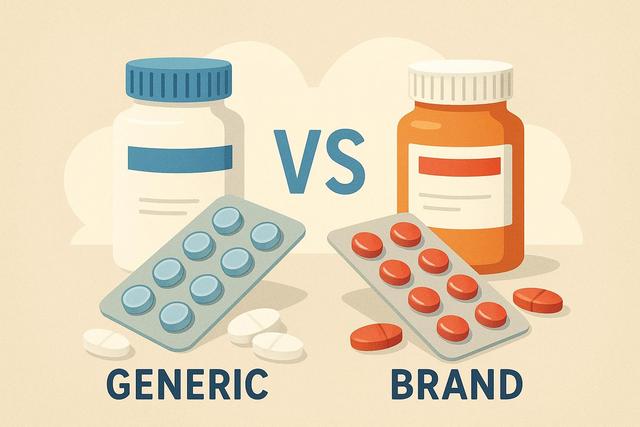
In the world of pharmaceuticals, a common dilemma among patients is choosing between generic and brand medications. This choice often boils down to concerns of effectiveness, safety, and cost. Understanding the key differences can inform better healthcare decisions.
Introduction to Medications
Medications play a crucial role in managing diverse health conditions, from chronic disease management to acute interventions. Pharmaceuticals are primarily divided into two categories: brand-name and generic medications.
Understanding Brand-Name Medications
Brand-name medications are developed by pharmaceutical companies and are sold under specific brand names. These drugs are protected by patents, which grants the company exclusive rights to sell the medication for a certain period. For instance, the widely known drug Lipitor, used to manage cholesterol, was developed by Pfizer.
The Development Process
The development of brand medications involves extensive research, clinical trials, and regulatory approvals. Companies must demonstrate efficacy and safety to gain approval from authorities like the FDA, which typically increases the cost to consumers.
Exploring Generic Medications
Generic medications are essentially identical versions of brand-name drugs but are sold under their chemical name once the original patent expires. They are required by the FDA to be bioequivalent to their brand counterparts, meaning they have the same dosage, strength, route of administration, quality, performance, and intended use.
Why Generics Are Cheaper
The primary reason for the lower cost of generics is that manufacturers do not have to repeat costly clinical trials. They benefit from the research and development initially conducted by brand-name manufacturers. Moreover, competition among generic drug producers further drives prices down.
Comparing Effectiveness and Safety
Effectiveness
Both generic and brand medications are designed to perform the same functions. The FDA confirms that generics provide the same clinical benefits and are as effective as their brand-name versions.
Safety Concerns
The safety profile is another crucial factor. Publications on ScienceDaily have shown that the FDA ensures rigorous standards in the approval of generic drugs, reinforcing their safety equivalence with brand medications.
Pricing: The Cost Factor
Analyzing Medication Costs
From a cost perspective, generic medications are substantially more affordable. According to the Association for Accessible Medicines, generics bring significant savings, amounting to billions of dollars in healthcare savings annually.
Insurance Considerations
Insurance companies often provide better coverage for generic drugs due to their lower cost, translating into reduced out-of-pocket expenses for patients.
Case Studies: Real-World Insights
Lipitor vs. Atorvastatin
Lipitor, a widely prescribed statin, is available in a generic form known as Atorvastatin. Studies in JAMA highlight that patients switching to generic Atorvastatin have achieved the same health outcomes as those staying on Lipitor, at a fraction of the cost.
Actionable Insights and Conclusion
Making an informed choice between generic and brand medications involves considering effectiveness, safety, and cost implications. Patients should consult healthcare providers to make personalized decisions, especially in complex medical scenarios.
To wrap up, while brand-name drugs offer the assurance of the original formula and may carry the company's backing, generics provide a cost-effective, equally effective alternative. Always discuss with a healthcare provider to ensure the best treatment choice.
- Takeaway Actions: Compare options with your healthcare provider, verify insurance coverage, and consider the long-term financial implications.
- Authoritative Resources for Further Reading: For more insights, refer to sources like the Mayo Clinic and the World Health Organization.

