Pharmaceuticals and Medications: Safe and Effective Treatment Choices
Pharmaceuticals and medications play a central role in modern healthcare. From over-the-counter drugs to advanced prescriptions, staying informed about new developments, side effects, and interactions helps patients use treatments safely. On this page, you will learn about the latest pharmaceutical innovations, how to manage medications responsibly, and expert advice for safe treatment choices.
Why Understanding Medications Is Important
Medications can save lives, manage chronic conditions, and improve quality of life. However, misuse or lack of knowledge can lead to side effects, drug interactions, or resistance. Informed patients are better equipped to follow treatment plans and communicate effectively with healthcare providers.
- Improve outcomes for chronic and acute conditions
- Prevent disease progression with preventive medicines
- Reduce risks of harmful drug interactions
- Promote adherence to prescribed therapies
- Support safe and effective self-care practices
Recent Pharmaceutical Developments
The pharmaceutical industry evolves rapidly, offering new solutions for patients worldwide. Some of the most impactful developments include:
Biologic Drugs
Derived from living organisms, biologics treat complex conditions such as autoimmune diseases and certain cancers with high precision.
Gene Therapies
Cutting-edge treatments that target genetic disorders, offering long-term or permanent solutions for rare conditions once considered untreatable.
mRNA-Based Medicines
Following the success of COVID-19 vaccines, mRNA technology is now being applied to other diseases, including cancer and influenza.
Personalized Medicine
Tailored treatments based on a patient’s genetic makeup increase effectiveness and reduce side effects.
Safe Use of Medications
Safe medication use involves more than following prescriptions. Patients should understand proper dosage, timing, and risks.
- Always follow your doctor’s instructions and prescription labels.
- Keep an updated list of all medications you take.
- Ask about possible interactions with food, alcohol, or supplements.
- Do not share prescriptions with others, even with similar symptoms.
- Store medicines safely and dispose of expired drugs properly.
Managing Side Effects
Every medication has potential side effects, ranging from mild to severe. Being aware of them allows faster response if problems arise.
- Common side effects: nausea, headaches, dizziness, or fatigue
- Serious reactions: allergic responses, difficulty breathing, or chest pain
- Long-term effects: organ damage or dependency with misuse
Always report new or severe side effects to your healthcare provider immediately.
Drug Interactions to Watch
Some medications interact with each other, reducing effectiveness or causing harm. Interactions may occur between:
- Prescription and over-the-counter drugs
- Medications and certain foods (e.g., grapefruit)
- Drugs and alcohol consumption
- Medications and herbal supplements
Frequently Asked Questions
What should I do if I miss a dose?
Take the missed dose as soon as you remember, unless it is close to your next scheduled dose. Never double up without medical advice.
Can I stop taking medication if I feel better?
No. Stopping early may reduce effectiveness or cause relapse. Always consult your doctor before discontinuing treatment.
How can I reduce the risk of side effects?
Follow dosage instructions, report unusual symptoms, and review all medications with your healthcare provider regularly.
Are generic drugs as effective as brand-name drugs?
Yes. Generic medications contain the same active ingredients and meet the same standards as brand-name drugs, usually at lower cost.
Conclusion
Pharmaceuticals and medications are powerful tools for managing health, but they require responsible use. By staying informed about new developments, monitoring side effects, and consulting professionals, you can make safe and effective treatment choices that support your long-term well-being.
Want to read more? Explore all our articles in the pharmaceuticals and medications category to stay informed about the latest drug developments and safe usage practices.
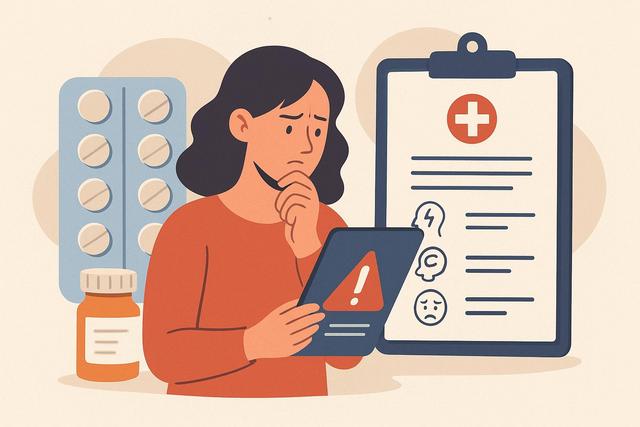
Navigating the world of medication can be complex, especially when considering potential side effects. Online tools for checking medication side effects offer a convenient approach to understanding these implications. By leveraging technology, individuals can proactively manage their health and make informed decisions about their medication use. This guide delves into the strategic use of these tools, providing valuable insights for healthcare consumers.
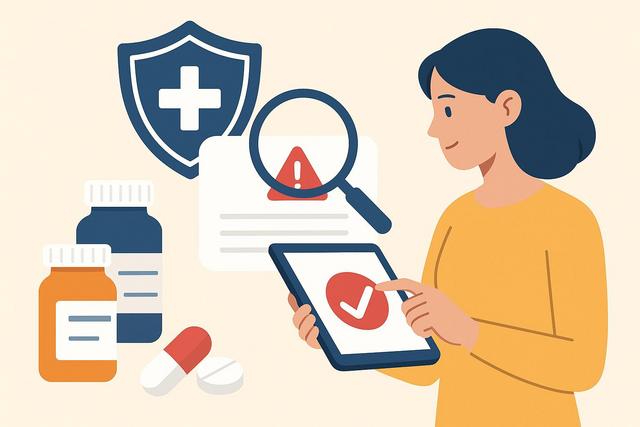
Navigating the complexities of medication can be challenging. With the rise of online medication interactions checker tools, individuals can now reliably assess potential drug interactions, offering an essential layer of safety and peace of mind. These tools empower both healthcare practitioners and patients to make informed decisions about medication regimens, ultimately aiming to enhance effectiveness and reduce risks.
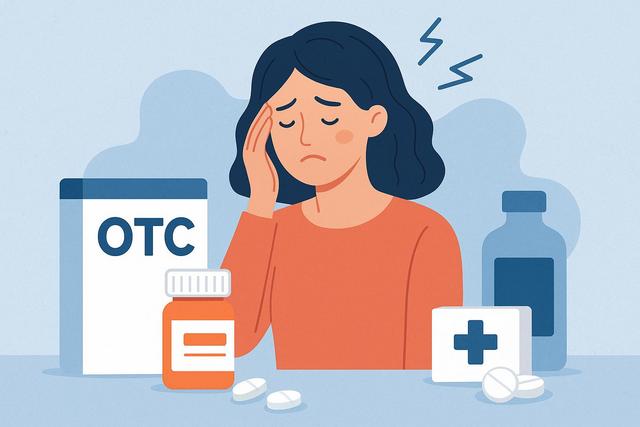
Anxiety affects millions of individuals worldwide, often compelling them to seek relief through medications. However, prescription anti-anxiety drugs are not always accessible or desirable for everyone. This article delves deeply into various medications for anxiety that do not require a prescription, offering alternatives for those seeking to manage their symptoms safely and effectively.


