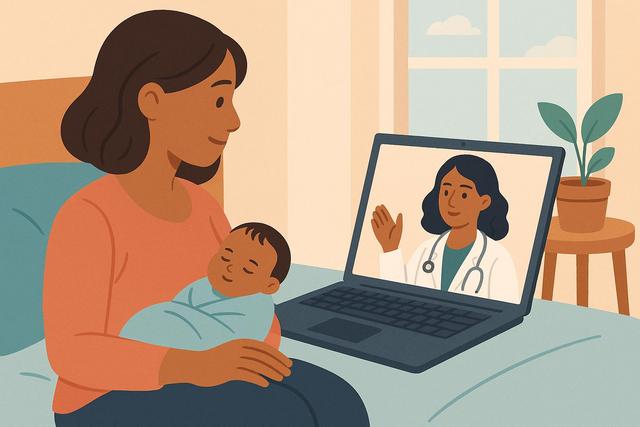
In the rapidly evolving healthcare landscape, telehealth has emerged as a transformative solution for postpartum care. By 2025, new mothers can expect a seamless, personalized, and efficient postpartum journey facilitated by advanced telehealth technologies. This guide explores how postpartum care is delivered through telehealth in 2025, offering invaluable insights, practical tips, and key resources for both healthcare providers and new mothers.
What is Telehealth in Postpartum Care?
Postpartum care via telehealth involves leveraging digital technologies to provide medical and emotional support to new mothers remotely. This approach enables continuous care through video consultations, online support groups, and virtual monitoring tools, ensuring that new mothers receive the care they need without leaving the comfort of their homes.
The Evolution of Telehealth for Postpartum Care
The Rise of Digital Health Solutions
Since the early 2020s, the demand for remote healthcare solutions has surged. Telehealth has expanded beyond initial consultations to encompass comprehensive postpartum care, including lactation consulting, mental health support, and newborn care education.
Key Developments in Telehealth Technologies
By 2025, artificial intelligence (AI) and machine learning technologies power telehealth platforms, offering personalized care plans and predictive analytics to foresee potential postpartum complications. Platforms like Mayo Clinic and Cleveland Clinic have integrated these cutting-edge technologies to enhance patient care.
Benefits of Telehealth in Postpartum Care
Accessibility and Convenience
Telehealth provides easy access to healthcare professionals, reducing the need for in-person visits and allowing new mothers to receive care at their convenience, which is especially beneficial for those in remote areas.
Enhanced Postpartum Support
Through virtual platforms, mothers can connect with other new moms, creating a supportive community that can offer advice, share experiences, and reduce feelings of isolation.
Cost and Time Efficiency
Telehealth reduces the costs associated with travel and childcare, making postpartum care more affordable. It also saves time for both patients and healthcare providers by streamlining the scheduling and consultation processes.
Case Studies
Success Stories from Virtual Maternity Support
-
Case Study 1: Sarah's Telehealth Journey
Sarah, a new mother from a rural area, received virtual lactation consultations and mental health support through a telehealth platform, Teladoc Health. As a result, Sarah reported a significant reduction in postpartum anxiety. -
Case Study 2: Integrated Postpartum Care
The integration of telehealth services at Kaiser Permanente led to a 30% increase in postpartum follow-up consultations, enhancing maternal satisfaction and health outcomes.
Tools and Resources for Telehealth Postpartum Care
- Virtual Consultation Platforms: Services such as Doctor on Demand offer around-the-clock access to healthcare providers.
- Remote Monitoring Devices: Wearable devices track vital signs and postpartum recovery markers, providing data that healthcare providers can assess remotely.
- Online Support Communities: Platforms like BabyCenter host forums where new mothers can ask questions and seek peer support.
Challenges and Considerations
Data Privacy and Security
As telehealth grows, ensuring data privacy and security remains crucial. Healthcare providers must comply with regulations like HIPAA to protect sensitive patient information.
Technological Barriers
While telehealth offers numerous benefits, challenges such as internet access, digital literacy, and technology adoption must be addressed to ensure equitable care.
Provider and Patient Training
Both healthcare professionals and patients must be adequately trained to utilize telehealth technologies effectively, which includes understanding the navigation of platforms and troubleshooting common technical issues.
Conclusion and Actionable Takeaways
The adoption of telehealth in postpartum care by 2025 highlights a significant advancement in maternal healthcare. To maximize the benefits, new mothers are encouraged to:
- Engage in virtual consultations: Make the most of the available telehealth resources for medical and emotional support.
- Join online communities: Connect with other mothers for shared experiences and support.
- Stay informed on data practices: Understand how your data is used and protected by health service providers.
Healthcare providers should continue refining telehealth services to enhance accessibility, security, and quality of postpartum care, ensuring all new mothers receive comprehensive, convenient, and compassionate support.

