Accessing Affordable Mental Health Care in Low-Income Areas
- 11/04/2024 10:10am
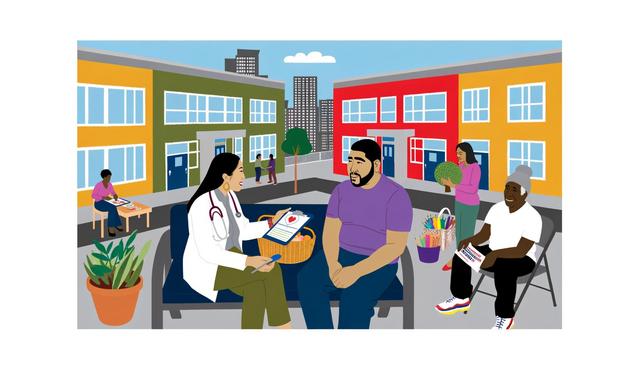
Mental health care is a vital component of overall wellness, yet access to these services remains a challenge for many people living in low-income areas. This article will explore various ways individuals can access affordable and effective mental health care, even with limited financial resources.
Understanding the Importance of Mental Health Care
Mental health care is essential as it contributes to overall wellbeing, helping individuals manage stress, depression, anxiety, and other mental health disorders. In low-income areas, the burden of mental health issues is often compounded by financial constraints. According to the World Health Organization, mental health problems can lead to a decrease in productivity and quality of life.
Challenges in Accessing Mental Health Care
Financial Constraints
One of the most significant barriers to accessing mental health care in low-income areas is financial constraint. Often, individuals prioritize essential needs such as food and housing over mental health services.
Limited Availability of Providers
Low-income areas often have fewer mental health professionals, which limits access to needed care.
Stigma Associated with Mental Health
Mental health stigma is another barrier. Many individuals may avoid seeking care due to fear of judgment or misunderstanding from their community.
Affordable Mental Health Care Options
Sliding Scale Payment Options
Many mental health providers offer sliding scale fees based on income, making therapy more accessible. The American Psychological Association provides a locator that can assist in finding providers offering this service.
Community Health Centers
Federally qualified community health centers provide mental health services at lower costs. You can find local centers using the Health Resources & Services Administration's website.
Online Counseling Services
Services like BetterHelp and Talkspace offer online therapy, which can be more affordable and accessible for individuals in low-income areas.
Utilizing Government and Non-profit Resources
Medicaid and CHIP
For those eligible, Medicaid and the Children's Health Insurance Program (CHIP) offer mental health services at little to no cost.
Non-Profit Organizations
Organizations such as the National Alliance on Mental Illness (NAMI) provide free or low-cost support, education, and advocacy.
Community Support and Resources
Peer Support Groups
Peer support groups can be invaluable. They offer mutual support and shared experiences, often at no cost.
Local Support Services
Check local libraries, churches, or community centers for free mental health support services, workshops, or group therapy sessions.
Tips for Finding Mental Health Resources
- Research Online: Utilize search engines and platforms like MentalHealth.gov to find resources.
- Reach Out to Local Colleges: Some universities offer free or low-cost services through counseling programs.
- Ask for Help: Talk to a trusted community leader or healthcare provider for recommendations.
Conclusion
Accessing mental health care in low-income areas is challenging, yet not impossible. By utilizing online resources, community health centers, and non-profit organizations, individuals can find affordable ways to address mental health needs. With these strategies, it is possible to overcome the barriers and access the care necessary for mental and emotional wellbeing.

