
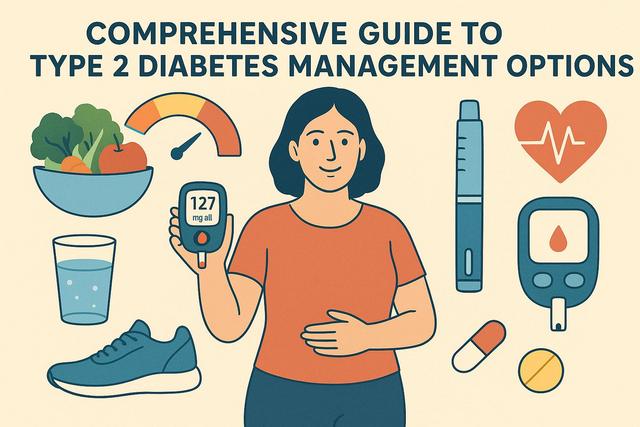
Type 2 diabetes management is an ongoing process that requires a combination of lifestyle changes, medication, and regular monitoring. Understanding the wide range of treatment options available can empower individuals to effectively manage their condition and lead a healthier life.
Understanding Type 2 Diabetes and Its Challenges
Type 2 diabetes is a chronic condition that affects the way your body metabolizes sugar (glucose), an important source of energy. The primary challenge in managing type 2 diabetes is maintaining tight blood glucose control to prevent complications such as heart disease, nerve damage, and kidney issues. Unlike type 1 diabetes, where the body fails to produce insulin, type 2 diabetes is characterized by the body's ineffective use of insulin.
Lifestyle Changes: The Foundation of Diabetes Management
The cornerstone of type 2 diabetes management is lifestyle modification. This includes dietary adjustments, increased physical activity, and weight management.
Dietary Adjustments
A balanced diet is crucial. Individuals are encouraged to focus on whole foods, including fruits, vegetables, lean proteins, and whole grains. Limiting refined sugars and carbohydrates is essential. For example, the Mediterranean diet, which emphasizes healthy fats, has been shown to improve insulin sensitivity.
Exercise and Physical Activity
Regular physical activity helps lower blood sugar levels and improve insulin sensitivity. The American Diabetes Association recommends at least 150 minutes of moderate-intensity aerobic activity per week, spread out over multiple days.
Weight Management
Losing 5-10% of body weight can significantly improve blood sugar control. Weight loss can be achieved through a combination of diet and exercise. Structured programs and consultation with dietitians are often beneficial.
Pharmaceutical Interventions: Medication Options
When lifestyle changes are insufficient, medications become necessary to manage blood glucose levels. There are several classes of medications for type 2 diabetes, each with distinct mechanisms of action.
Metformin
Often the first-line treatment, metformin works by reducing glucose production in the liver and improving insulin sensitivity. It is cost-effective and has a well-documented safety profile.
Sulfonylureas and Meglitinides
These medications stimulate the pancreas to release more insulin. While effective, they pose a risk for hypoglycemia and should be monitored closely.
DPP-4 Inhibitors and GLP-1 Receptor Agonists
These newer classes of medication enhance the body’s natural ability to lower elevated blood glucose. GLP-1 receptor agonists also aid in weight loss, providing an additional benefit.
SGLT2 Inhibitors
These help the kidneys remove glucose from the body through urine. Clinical trials have shown that they can reduce the risk of heart disease in diabetes patients.
Monitoring and Technology: Tools for Effective Management
Regular monitoring provides feedback on how well treatment plans are working. Self-monitoring of blood glucose (SMBG) and continuous glucose monitors (CGMs) can offer valuable insights.
Self-Monitoring of Blood Glucose (SMBG)
This involves using a glucometer to measure your blood sugar levels at different times of the day, which can inform diet and medication adjustments.
Continuous Glucose Monitors (CGMs)
CGMs provide real-time data and trends by measuring glucose levels in interstitial fluid, reducing the need for frequent finger pricks.
Smartphone Apps and Online Tools
Many apps now track blood sugar levels, physical activity, diet, and medication, providing comprehensive data that can assist in managing diabetes more effectively.
Risks and Common Mistakes in Diabetes Management
Effective management of type 2 diabetes involves recognizing common pitfalls and strategies to avoid them.
Inconsistent Blood Glucose Monitoring
Regular monitoring is crucial, yet many fail to do it consistently. Finding a routine that works with your lifestyle is instrumental.
Ignoring the Signs of Hypoglycemia
Low blood sugar can be dangerous. Recognizing symptoms like dizziness and confusion ensures swift management, typically with a dose of fast-acting glucose.
Over-Dependence on Medication
While medications are vital, relying solely on them without lifestyle changes can limit their effectiveness.
Additional FAQs
What is the best diet for managing type 2 diabetes?
A diet high in fiber, healthy fats, and lean protein is beneficial. The Mediterranean diet is often recommended.
Can type 2 diabetes be reversed?
While there is debate about the term 'reversal,' significant lifestyle changes can lead to normal blood sugar levels without medication.
How often should I see a healthcare provider for diabetes management?
Regular check-ups every 3 to 6 months are recommended to assess the effectiveness of your management plan.
Conclusion and Implementation Steps
Successfully managing type 2 diabetes involves a comprehensive approach that integrates lifestyle modifications, medication, and continuous monitoring. Start by assessing current habits, implementing dietary changes, incorporating physical activity, and consulting healthcare providers to tailor medication needs. Regularly review and adjust the management plan with your healthcare team to maintain effective control over blood glucose levels and reduce the risk of complications.

