Advanced Pain Management Techniques Transforming Care Strategies
- 04/03/2026 05:11am
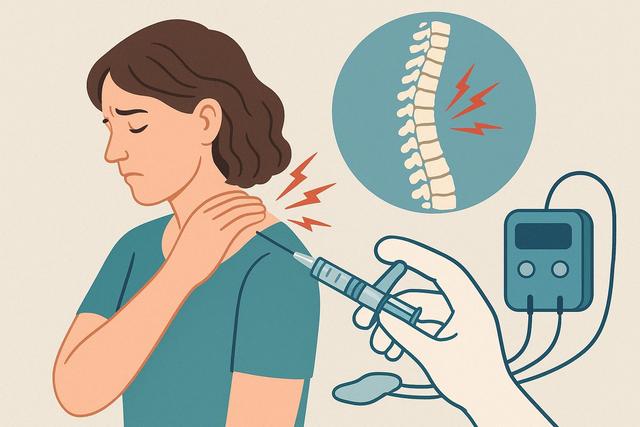
Pain management has evolved significantly with the approval of new techniques focusing on non-opioid treatments. This article explores these innovative approaches that promise safer and more effective pain relief.
Understanding Pain Management Innovations
The field of pain management is rapidly evolving, as medical professionals seek to move beyond opioid solutions to address both acute and chronic pain. The high dependency on opioid medications has led to a crisis marked by addiction and other adverse effects, prompting the necessity for innovative approaches.
Historical Context and Need
Historically, pain management relied heavily on prescription opioids. According to the Centers for Disease Control and Prevention (CDC), over 191 million opioid prescriptions were dispensed in 2017 alone. This dependency escalated into a public health crisis, pushing the demand for non-opioid alternatives.
- Example: In Massachusetts, the introduction of alternative therapies led to a 25% reduction in opioid prescriptions across the state.
Alternative Therapies Gain Traction
Non-opioid treatments encompass a variety of methodologies, from physical therapies to technologically advanced interventions, reshaping chronic pain care.
- Real-world Example: Physicians in California have integrated acupuncture and physical therapy, significantly reducing reliance on pain medications in veterans with chronic pain.
- Data Insight: Reports from the Institute for Healthcare Improvement show 60% of patients experienced sustained pain relief without opioids using integrated therapies.
Technological Advancements in Pain Management
Recent technological developments offer compelling alternatives to traditional pain management.
Neurostimulation Techniques
Neurostimulation includes direct modulation of nerve activity to relieve pain without the use of drugs.
- Explanation: Techniques such as spinal cord stimulation (SCS) involve implanting a device that sends electrical pulses to the spinal cord, interrupting pain signals to the brain.
- Case Study: A study published in the Journal of Neurosurgery showed SCS reduced chronic back pain by over 50% in participating patients.
Laser Therapy and Ultrasound
- Explanation: Low-Level Laser Therapy (LLLT) and ultrasound techniques use light and sound waves to reduce inflammation and treat pain.
- Real-world Examples: These methods have been increasingly utilized in sports medicine, aiding athletes in rapid recovery post-injury without medication.
Pharmaceutical Innovations: Non-opioid Medications
New pharmaceuticals aim to address pain without the addictive properties of opioids.
COX-2 Inhibitors and Antidepressants
- Explanation: Drugs such as celecoxib (a COX-2 inhibitor) and certain antidepressants offer pain relief without the gastrointestinal side effects associated with NSAIDs.
- Case Study: A clinical trial in the UK demonstrated that a combination of COX-2 inhibitors with antidepressants offered superior relief from arthritis pain compared to traditional NSAIDs.
Mu-Opioid Receptor Antagonists
- Explanation: New developments in mu-opioid receptor antagonists, which block opioid effects at the receptor level, promise to mitigate issues associated with traditional opioid therapies.
- Strategic Insight: These drugs could play a pivotal role in reducing cases of opioid misuse and addiction.
Alternative Medicine and Holistic Approaches
Integrating holistic approaches has shown promise in managing pain effectively.
Acupuncture and Mindfulness Practices
- Explanation: These methods focus on balancing physical and mental health, providing a comprehensive approach to pain management.
- Data Insight: A meta-analysis published in JAMA demonstrated that acupuncture is effective for chronic pain and shows no risk of addiction.
Chiropractic and Osteopathic Medicine
- Explanation: Spinal manipulation by chiropractors has been studied for its efficacy in treating lower back pain.
- Case Study: An analysis by the American Pain Society reported improvements in function and pain relief in patients with chronic lower back pain.
The Future Landscape of Pain Management
As non-opioid treatments evolve, the landscape of pain management is expected to diversify further.
Integration of AI and Big Data
- Explanation: AI enables precision medicine approaches by analyzing vast datasets to customize pain management plans.
- Real-world Example: Hospitals employing AI-driven analytics have improved patient outcomes by predicting effective interventions tailored to individual patients' needs.
Telemedicine and Remote Monitoring
- Explanation: The increase in telemedicine provides expanded access to pain management specialists, broadening patient reach and maintaining consistent treatment.
- Strategic Insight: Implementation strategies for healthcare providers include virtual consultations and remote monitoring to ensure adherence to pain management protocols.
Conclusion and Implementation Steps
In conclusion, the new frontier of pain management offers promising alternatives to opioid reliance. Various innovations, from neurostimulation to alternative medicine, present diverse strategies for improving patient care.
Key Takeaways:
- Emphasis on non-opioid therapies demonstrates substantial potential in reducing opioid dependency and improving patient quality of life.
- Technological advancements, like AI, can be leveraged to create personalized and effective pain management strategies.
Steps for Implementation:
- Evaluate Current Practices: Healthcare providers should assess current pain management protocols to identify opioid-dependent treatments.
- Incorporate New Technologies: Invest in training and resources for integrating advanced techniques such as neurostimulation and AI-driven personalization.
- Educate Patients: Promote awareness about the benefits of non-opioid alternatives through educational campaigns and patient workshops.
By strategically adopting these methods, the healthcare industry can significantly mitigate the opioid crisis while providing effective pain relief for millions.

