Comparing Telemedicine Mental Health Apps: A Comprehensive Guide
- 09/04/2026 05:11am
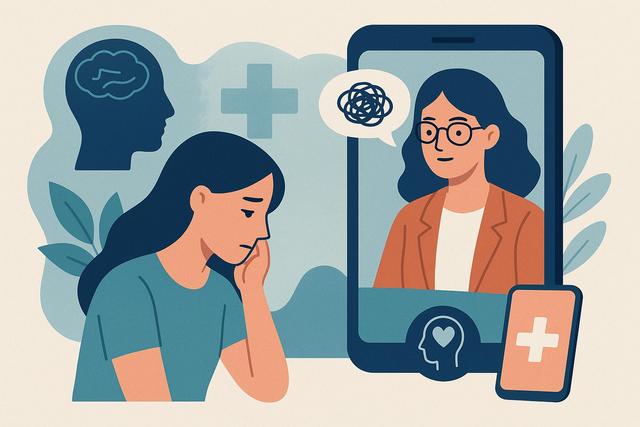
Telemedicine mental health apps have revolutionized access to therapy and psychological services. With an increasing number of options available, choosing the right app can be overwhelming. This guide compares leading platforms, evaluates their features, and provides insights to help individuals make informed decisions.
Understanding Telemedicine in Mental Health
Telemedicine refers to the delivery of healthcare services through digital platforms, enabling remote diagnosis and treatment. In mental health, telemedicine apps provide virtual therapy, counseling, and mindfulness resources.
Telemedicine mental health apps empower patients to connect with therapists without the need for face-to-face interactions. This is particularly beneficial for those in remote locations or with mobility concerns. Popular platforms in this domain include BetterHelp, Talkspace, and Headspace, each offering unique features and benefits.
Factors to Consider When Choosing an App
Choosing the right telemedicine mental health app requires careful evaluation. Important factors include:
- Cost: Apps vary from free resources to subscription-based services, each with different payment plans.
- Accessibility: Consider platforms that work across multiple devices, ensuring ease of access wherever you are.
- Professional credentials: Verify that therapists are licensed and qualified to deliver therapy online.
- Feature set: Look for apps offering comprehensive features like live video sessions, text-based therapy, and wellness tracking.
Comparing Popular Telemedicine Mental Health Apps
This section compares some of the most prominent mental health apps. The table below highlights their key features and differentiators.
| App | Cost | Platform Compatibility | Key Features |
|---|---|---|---|
| BetterHelp | From $60/week | iOS, Android, Web | Live chat, video calls, licensed therapists |
| Talkspace | From $65/week | iOS, Android, Web | Text therapy, video chat, psychiatry services |
| Headspace | $12.99/month or $69.99/year | iOS, Android | Meditation, mindfulness exercises, sleep aids |
Real-World Impacts of Telemedicine Apps
Telemedicine apps have significantly impacted mental healthcare accessibility. A case study from Hawaii Public Health found that the use of digital platforms increased therapy attendance by 15% among rural populations.
Moreover, the Mental Health America organization notes a 28% decrease in time between referral and initial consultation when using telemedicine solutions.
Common Mistakes in Using Mental Health Apps
Using telemedicine apps can be transformative but comes with pitfalls:
- A common error is expecting immediate results, whereas therapy is a gradual process.
- Lack of engagement with the app’s resources often leads to unmet expectations.
- Choosing an app based solely on cost might mean compromising on service quality.
Practical Recommendations for Users
Here are actionable tips to maximize the benefits of your mental health app:
- Commit to regular usage and keep consistent appointments with therapists.
- Utilize built-in mood tracking and journaling features for self-reflection.
- Engage with supplemental content like articles, relaxation techniques, and breathing exercises.
Frequently Asked Questions about Telemedicine Mental Health Apps
What are the privacy concerns with telemedicine apps?
Most reputable apps follow strict confidentiality protocols and comply with regulations like HIPAA to protect user data.
Can I switch therapists on these platforms?
Yes, most apps offer the flexibility to change therapists if you wish to find a better match for your needs.
Is telemedicine effective for severe mental health issues?
Telemedicine can support various conditions but should supplement, not replace, in-person care for severe cases.
Conclusion: Navigating Telemedicine Mental Health Apps
Given the diverse options available, selecting the right telemedicine mental health app is crucial for effective therapy. Evaluate based on personal needs, professional credentials, and feature compatibility.
Start by trialing a few applications to find the best fit. Remember, online therapy is a complement to traditional methods and should be integrated into a broader mental health strategy.
With an informed approach, you can leverage these ingenious tools to improve mental wellbeing effectively.

