Effective Strategies to Manage Panic Attacks Quickly
- 07/27/2026 05:11am
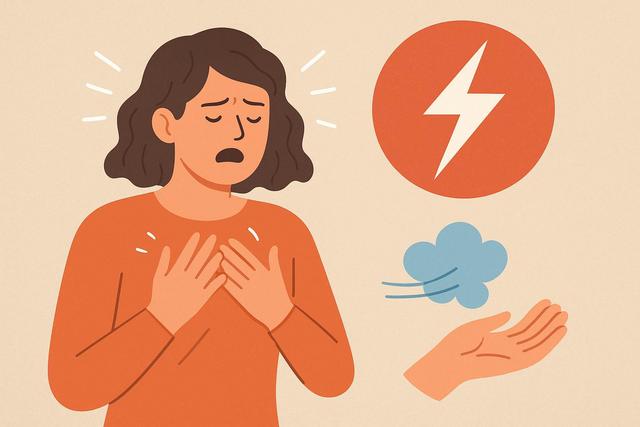
Panic attacks can be overwhelming and frightening, often striking without warning. They are characterized by sudden, intense feelings of fear or anxiety, usually peaking within minutes. While seeking professional help is essential for long-term management, it’s equally important to know how to manage panic attacks quickly in the moment. This guide will provide you with practical strategies and insights to regain control during a panic attack.
Understanding Panic Attacks and Their Triggers
Panic attacks are abrupt surges of intense fear or discomfort that trigger severe physical reactions. Even when there is no real danger, your body can react as if you are in extreme peril. Recognizing the triggers is a crucial first step in managing panic attacks.
Common Triggers
- Stressful Events: Life changes like moving, changing jobs, or relationship challenges can exacerbate anxiety.
- Health-Related Issues: Chronic illnesses, medications, or prolonged periods of poor health can contribute to anxiety levels.
- Substance Abuse: Excessive caffeine, alcohol, or recreational drug use.
Breathing Techniques for Immediate Relief
Breathing control is one of the most effective techniques to calm your physiological response. When you are faced with a panic attack, your breathing tends to become rapid and shallow, disrupting the oxygen-carbon dioxide balance in your body.
Deep Breathing Exercise
- Find a Quiet Space: Move to a quieter place, if possible.
- Inhale Slowly: Take a deep, slow breath in through your nose, counting to four.
- Hold Your Breath: Retain the breath for four seconds.
- Exhale Gently: Breathe out through your mouth, counting to four again.
- Repeat: Continue this cycle until you feel calmer.
The 4-4-4 breathing method can stabilize your breathing and heart rate, restoring a sense of control.
Mindfulness and Grounding Techniques
Grounding yourself in reality is essential during a panic attack. Mindfulness exercises help divert your focus from the anxiety-inducing thoughts or sensations.
5-4-3-2-1 Technique
This powerful grounding technique uses all five senses to help reduce anxiety quickly:
- 5: Acknowledge five things you see around you.
- 4: Recognize four things you can physically feel.
- 3: Identify three sounds you can hear.
- 2: Notice two things you can smell.
- 1: Recognize one thing you can taste.
By engaging all your senses, your mind is diverted from panic sensations to present reality.
Cognitive Behavioral Strategies
Cognitive Behavioral Therapy (CBT) offers several strategies that can be swiftly utilized to moderate panic episodes. Reframing your thoughts is crucial.
Thought Records
- Document Thoughts: Write down anxious thoughts and challenge their validity.
- Reframe: Replace them with logical, calming affirmations.
For example, replace "I'm sure I'm going to faint" with "I have felt this way before and I was okay."
Progressive Muscle Relaxation (PMR)
This involves tensing and then slowly releasing each muscle group, which encourages relaxation.
Technological Aids and Apps
Several modern apps provide support and guidance to those experiencing panic attacks:
- Calm: Offers meditative guidance and breathing exercises.
- Headspace: Known for mindfulness practices that can be implemented quickly.
- Pacifica: Complements therapy with real-time anxiety reduction tools.
These applications, available on both Android and iOS, utilize audio and visual aids to guide you when experiencing difficulty.
Common Mistakes and Misconceptions
Misunderstandings about panic attacks can hinder effective management. Here are a few to avoid:
- Ignoring Symptoms: Believing it will just “get better” can delay necessary treatment.
- Hyperventilation: Reversing this worsens panic symptoms.
- Isolating from Support: Avoid dealing with panic attacks in solitude. Professional help is crucial.
FAQ
Q1: Are panic attacks and anxiety attacks the same?
No, panic attacks appear suddenly with intense fear, while anxiety attacks build up gradually due to stress.
Q2: Can diet impact my anxiety levels?
Yes, consuming a balanced diet low in caffeine and sugar can reduce anxiety symptoms.
Q3: Do breathing techniques always work immediately?
Effectiveness varies by individual, but with practice, they generally lead to calmer episodes.
Conclusion: Managing Panic Attacks in Real-Time
Quickly managing panic attacks involves understanding your triggers, employing breathing and grounding techniques, and utilizing cognitive strategies. Remember to:
- Identify Triggers: Keep a journal to track and recognize consistent patterns leading to panic.
- Practice Techniques Regularly: Like physical exercise, managing panic through practiced strategies becomes easier over time.
- Seek Professional Assistance: Therapy can provide personalized coping mechanisms and support.
By consistently applying these strategies, you can reduce the intensity and frequency of panic attacks, gaining more control over your mental health.

