Digital Fatigue and Its Impact on Mental Health
- 02/06/2026 05:11am
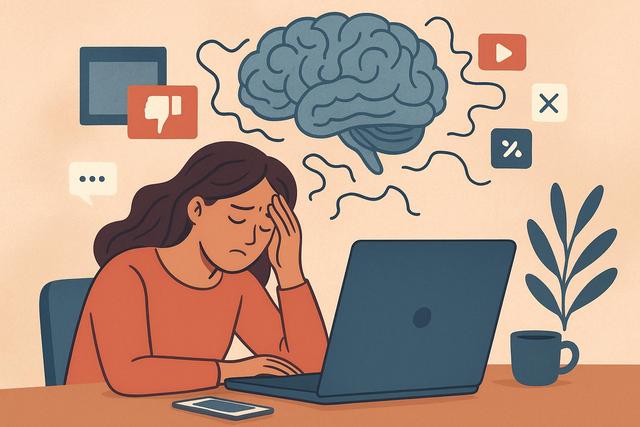
In today's digital age, the incessant use of electronic devices has become a norm. While technology offers myriad benefits, it has also introduced a silent challenge: digital fatigue. As the lines blur between professional and personal life, understanding how constant screen exposure affects psychological well-being is crucial for maintaining mental health.
Understanding Digital Fatigue
Digital fatigue is a phenomenon characterized by the exhaustion and tiredness stemming from prolonged screen time. It often manifests as both physical symptoms such as eye strain and headaches, and mental symptoms, including anxiety and irritability.
The Rise of Screen Time
Increased reliance on technology has steered us into spending approximately 7-10 hours daily on screens, according to various studies. With such high exposure, it's no surprise that users report feelings of burnout.
The Psychological Toll of Digital Fatigue
Anxiety and Stress
Constant notifications and the need for immediate responses in digital communications can elevate stress levels. This has been linked to an increase in generalized anxiety disorders.
Impact on Sleep Patterns
The blue light emitted from screens interferes with our circadian rhythm, leading to disrupted sleep cycles. Evidence from the Sleep Foundation highlights that inadequate sleep exacerbates mental health issues such as depression.
Mitigating Digital Fatigue
Practical Steps to Reduce Screen Time
- Implement the 20-20-20 Rule: For every 20 minutes spent staring at a screen, look 20 feet away for 20 seconds to reduce eye strain.
- Use apps like f.lux to adjust screen light based on the time of day.
Enhancing Mental Resilience
Engage in regular physical activity and mindfulness practices, such as meditation, to combat stress. Resources like Headspace can provide guided assistance in practicing meditative techniques.
Case Studies and Real-Life Implications
In one longitudinal study conducted by the American Psychological Association, teens who reported excessive screen time showed an increase in mental health challenges, emphasizing the need for regulated screen use.
Conclusion: Recognizing and Tackling Digital Fatigue
Digital fatigue is a pressing issue that can severely impair mental health if left unaddressed. By adopting balanced digital habits and nurturing mental resilience through proven practices, individuals can mitigate the adverse effects of prolonged screen exposure. Start by setting screen time boundaries and exploring non-digital hobbies to improve overall well-being.
These strategies, coupled with a proactive approach to managing mental health, serve as powerful tools in overcoming the challenges posed by digital fatigue.

