Effectively Utilizing Telemedicine for Urgent Care Needs
- 09/07/2026 05:11am
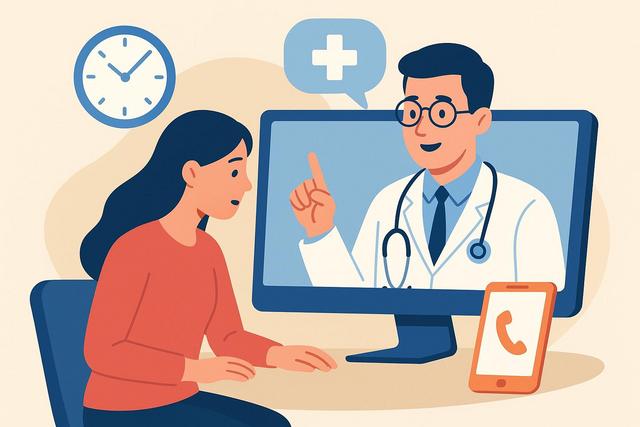
Telemedicine has revolutionized the way we access urgent care, offering fast and efficient consults online. This strategic guide explores how telemedicine can serve immediate healthcare needs, providing convenience without compromising on quality.
Understanding Telemedicine in Urgent Care
Telemedicine, often synonymous with healthcare innovation, bridges the gap between patients and healthcare providers through digital communication tools. Primarily designed to improve access to medical care, telemedicine is particularly effective for urgent care needs. Unlike traditional healthcare settings, it reduces waiting times, cuts travel, and optimizes resource usage.
For example, a patient experiencing a moderate allergic reaction can log into a telemedicine platform, describe symptoms, and receive prompt advice on managing the condition or whether a visit to a physical clinic is necessary. This direct line of communication ensures urgent care is delivered swiftly and accurately.
Benefits of Telemedicine for Urgent Care
Accessibility and Convenience
One of the primary advantages of telemedicine in urgent care is accessibility. With just a smartphone or computer and internet connection, patients can reach highly qualified physicians without leaving their home. For those in rural or underserved areas, this accessibility is crucial.
Reduced Cost
Telemedicine significantly lowers healthcare costs. By eliminating the need for physical infrastructure and reducing transportation costs for both the provider and the patient, economic barriers to urgent care are diminished. According to the American Medical Association, telemedicine can save patients an average of $90 per visit.
Time Efficiency
Urgent care consultations are about timely interventions. Telemedicine platforms often provide 24/7 access to healthcare professionals, ensuring that patients receive timely consultations which can be pivotal in urgent scenarios.
How Telemedicine Works for Urgent Care
Step-by-Step Teleconsultation Process
- Registration: Patients sign up on a telemedicine platform, providing basic personal and insurance information.
- Symptom Description: The patient describes symptoms, possibly uploading photos or documents to assist the doctor.
- Consultation: A healthcare provider reviews the information and meets the patient over a video call, chat, or phone.
- Diagnosis and Treatment Plan: The provider interprets the symptoms and discusses treatment options with the patient.
Many platforms like Teladoc and Amwell offer intuitive user interfaces simplifying these steps for users unfamiliar with digital healthcare.
Challenges and Limitations
Technological Barriers
A significant challenge is access to reliable internet. Telemedicine requires stable connectivity, which can be a barrier for patients in remote locations. Moreover, patients not accustomed to technology might struggle with telemedicine tools.
Nature of Medical Conditions
While telemedicine is excellent for many urgent care situations, it’s not applicable for all. Conditions requiring physical exams, such as fractures, may necessitate an in-person consultation after a telehealth assessment.
Privacy Concerns
Ensuring patient privacy is paramount. Telemedicine providers must adhere to strict data protection standards like HIPAA regulations in the U.S., ensuring patient information is confidential and secure.
Strategic Implementation of Telemedicine
To effectively leverage telemedicine in urgent care settings, healthcare providers should integrate robust digital platforms capable of handling diverse patient needs. Implementing efficient staff training programs ensures the medical personnel are well-versed in telemedicine operations.
Emphasizing patient education on telemedicine benefits and usage can also increase adoption. Informative workshops or dedicated onboarding sessions can familiarize patients with the use of such platforms.
Common Mistakes to Avoid
- Ignoring Follow-Ups: Failing to conduct follow-up sessions can lead to ineffective treatment plans. Providers should schedule follow-ups to monitor patient progress.
- Overlooking Technology Needs: Providing a user-friendly platform is pivotal. Avoid complex interfaces that might deter patients from utilizing the service.
- Underestimating Data Privacy: Ensuring data encryption and secure medical records is both a legal and ethical necessity.
FAQs on Telemedicine for Urgent Care
Is telemedicine suitable for all urgent care needs?
No, telemedicine primarily addresses conditions non-life-threatening and not requiring immediate hands-on attention.
How can I ensure the telemedicine platform is secure?
Check if the platform complies with HIPAA or similar local regulations ensuring data protection.
Will telemedicine consultations be covered by insurance?
Many insurance providers cover telemedicine consultations, but coverage depends on your policy and the local regulations.
Conclusion
Telemedicine stands as a transformative force in the urgent care landscape, offering speed and convenience for non-threatening medical issues. To maximize its potential, healthcare providers must address technological limitations and commit to safeguarding patient privacy. Patients, on the other hand, should remain informed about the capabilities and constraints of telemedicine to effectively use it.
In practice, individuals seeking urgent care can benefit vastly from telemedicine, yet must understand its scope—keeping in mind technology's capability to lead or lag in healthcare innovation.

