When Telemedicine Is Not Enough: Understanding the Limits and Benefits
- 01/09/2026 05:11am
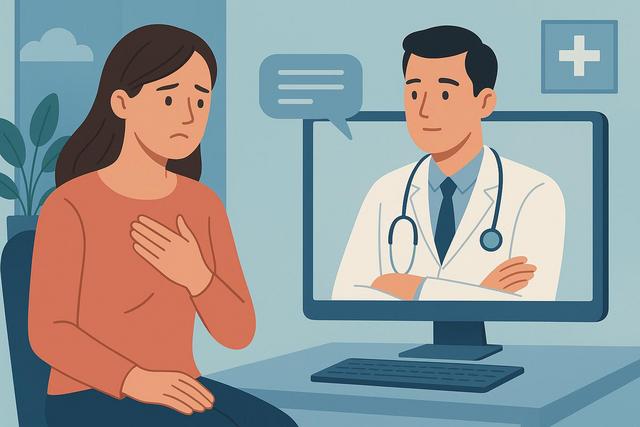
As telemedicine becomes an integral part of modern healthcare, it's essential to recognize its capabilities and limitations. While virtual consultations offer convenience and immediate access to healthcare professionals, there are scenarios where in-person visits are irreplaceable. This guide explores when telemedicine is appropriate and when traditional healthcare settings provide superior care.
Advantages of Telemedicine
Before diving into limitations, let's highlight the benefits that catapulted telemedicine into mainstream healthcare.
Convenience and Accessibility
One of the most significant advantages of telemedicine is its ability to deliver healthcare services to patients regardless of geographical barriers. Whether you're in a rural area or facing mobility challenges, telemedicine bridges the gap between patients and healthcare providers.
Cost-Effectiveness
Telemedicine reduces the need for commuting and minimizes overhead costs associated with traditional doctor's visits, often resulting in lower consultation fees.
When Telemedicine May Fall Short
Despite its benefits, telemedicine is not a panacea. Understanding its limitations ensures patients receive the most appropriate care.
Complex or Urgent Conditions
For serious health issues like heart attacks, strokes, or severe injuries, telemedicine is unsuitable. These conditions require immediate, in-person medical interventions and diagnostic tests unavailable through virtual platforms.
Need for Physical Examination
Certain conditions necessitate a hands-on examination that telemedicine cannot adequately substitute. For instance, diagnosing musculoskeletal issues often requires a physical evaluation to assess physical signs and symptoms accurately.
Limitations in Diagnostics
While telemedicine supports basic diagnostics through questionnaires and video assessments, it lacks the ability to conduct physical diagnostic tests like blood tests or imaging scans, which are critical for comprehensive care.
Risks Associated with Telemedicine
Acknowledging potential risks is crucial for both healthcare providers and patients.
Data Security Concerns
Patient data confidentiality is a critical concern. Trustworthy platforms should employ robust security measures to protect sensitive health information from breaches and unauthorized access. Learn more from the Health Information Privacy page.
Misinterpretation of Symptoms
Virtual communication poses a risk of symptom misinterpretation due to the lack of physical interaction and observations, which can lead to misdiagnosis.
Enhancing Telemedicine's Efficacy
Despite its limitations, telemedicine can be improved to meet specific healthcare needs more effectively.
Integrating Remote Monitoring Tools
Advancements in remote health monitoring technologies can enhance telemedicine by providing real-time patient data, facilitating better diagnoses and personal care plans. Devices like blood pressure monitors and glucose sensors are examples. The CDC highlights these and other advancements.
Hybrid Models of Care
Combining telemedicine with in-person checkups can offer an optimal healthcare solution. Routine or follow-up care can be conducted virtually, while complex assessments remain in a clinical setting.
Conclusion
Telemedicine is a powerful tool that, when used appropriately, enhances healthcare delivery. However, recognizing its limitations ensures patients receive adequate and holistic health solutions. Evaluate your specific condition, and when in doubt, consult a healthcare provider who can guide you on the most appropriate care setting.
Actionable Takeaways
- Use telemedicine for routine check-ups and follow-ups, especially when accessible.
- For emergencies or complex conditions, seek immediate in-person medical assistance.
- Consider a hybrid approach for a balanced healthcare solution.
- Ensure your data security by selecting reputable telemedicine platforms.

