How Telemedicine is Expanding Access to Mental Healthcare
- 05/02/2025 09:10am
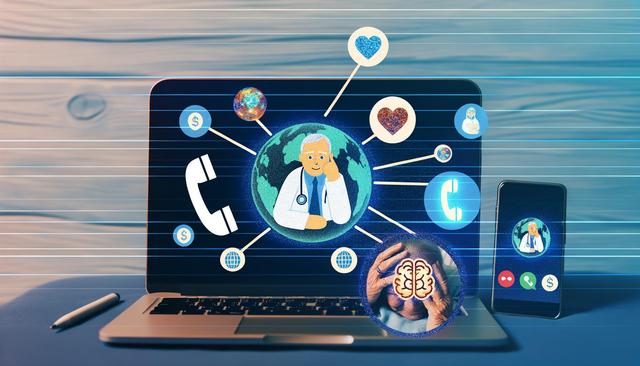
In recent years, telemedicine has emerged as a transformative force within the healthcare industry, offering a new frontier in accessible health services. One of the most significant shifts has been in the realm of mental healthcare, where telemedicine is bridging gaps, providing innovative solutions, and ensuring that more people have access to the support they need. This article delves into the various ways telemedicine is revolutionizing mental health care.
The Rise of Telemedicine in Mental Health
The advent of telemedicine has fundamentally changed the way mental healthcare is delivered. Through platforms enabling online therapy and virtual counseling, mental health services have become more accessible than ever before. This shift has not only made it easier for individuals to seek help but has also reduced the stigma associated with mental health treatment.
Benefits of Telemedicine in Mental Health
- Increased Accessibility: Geography is no longer a barrier. Individuals living in remote or rural areas can now access mental health professionals without the need for travel.
- Convenience: Virtual counseling allows patients to schedule appointments that fit their busy lives, removing logistical barriers often associated with in-person visits.
- Cost-Effective: Telemedicine can reduce costs associated with transportation and time off work, making mental healthcare more affordable.
How Telemedicine Works in Mental Health
Telemedicine utilizes advanced technology to deliver mental health services over the internet. Tools such as Talkspace and BetterHelp facilitate continuous communication with licensed therapists through various media, including video calls, voice chats, and text messaging.
Telehealth Platforms for Mental Health
Platforms like Talkspace and BetterHelp provide users with the flexibility to choose therapists based on their specific needs and preferences. These platforms also offer privacy and confidentiality, which are crucial for anyone seeking mental health support.
The Challenges of Telemedicine in Mental Healthcare
Despite its benefits, telemedicine in mental health is not without challenges. Connectivity issues, technology literacy, and privacy concerns are some of the hurdles that need to be addressed. However, ongoing technological advancements and policy updates are gradually overcoming these obstacles, paving the way for wider acceptance.
Ensuring Data Privacy and Security
Ensuring data privacy and security is paramount in telehealth. Health Insurance Portability and Accountability Act (HIPAA) compliance is essential for videoconferencing tools to safeguard patient information adequately.
Case Studies and Data Supporting Telemedicine
Several studies have highlighted the efficacy of telemedicine in mental health. According to a report by JAMA Network, telehealth platforms have shown similar outcomes to traditional therapy in treating anxiety and depression. Additionally, the COVID-19 pandemic accelerated the adoption of telehealth, further demonstrating its effectiveness.
Conclusion
Telemedicine is conclusively expanding access to mental healthcare, addressing many barriers that have historically prevented individuals from seeking care. By leveraging technology, telehealth creates a more inclusive environment for individuals seeking mental health support, promising a healthier and more supported population. As research and technology continue to advance, telemedicine will undoubtedly play a critical role in shaping the future of mental health services.
Actionable Takeaways
- Explore reliable telehealth platforms to understand options available for mental health support.
- Consider the convenience and flexibility telemedicine offers, especially if traditional therapy options are unavailable or inconvenient.
- Remain informed about data privacy and security features provided by telehealth platforms to ensure confidential care.

