How to Use Telemedicine for Preventative Healthcare
- 03/05/2025 10:11am
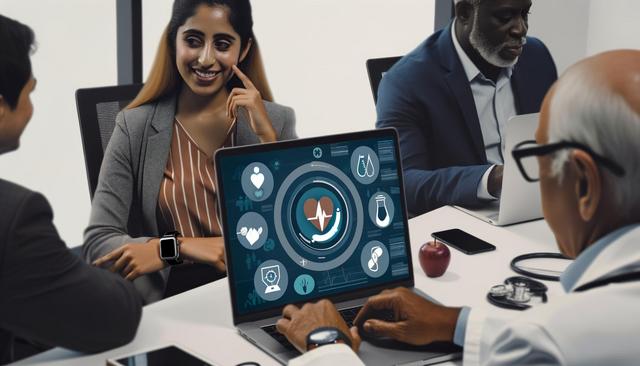
Preventative healthcare is a pivotal aspect of modern medicine, aiming to catch potential health issues before they develop into more serious conditions. With the advent of digital technology, telemedicine has emerged as a powerful tool in this preventive approach. In this comprehensive guide, we explore how virtual healthcare can help you stay healthy and prevent illnesses.
Understanding Telemedicine in Preventative Care
Telemedicine refers to the use of digital communication technologies, such as video conferencing and mobile apps, to deliver medical services remotely. This approach has revolutionized the healthcare landscape, making it easier for individuals to access healthcare services, regardless of their location.
Benefits of Telemedicine for Preventative Healthcare
- Increased Access to Healthcare Professionals: Telemedicine eliminates geographical barriers, allowing patients to consult with specialists who may not be available locally.
- Time and Cost Efficiency: It reduces the need for travel, saving time and reducing associated costs.
- Convenience: Patients can schedule appointments at their convenience, which encourages regular check-ups and promotes proactive health management.
How Telemedicine Facilitates Preventative Care
Telemedicine offers numerous ways to prevent diseases through early detection, lifestyle guidance, and continuous monitoring.
Early Detection
Early detection of diseases significantly improves the prognosis. Telemedicine facilitates this by enabling routine screenings and diagnostic consultations remotely. For example, regular dermatology check-ups via telemedicine can help in the early detection of skin cancer.
Lifestyle and Behavioral Guidance
Healthcare professionals can leverage telemedicine to provide personalized dietary plans, exercise routines, and behavioral modifications that mitigate the risk of chronic diseases such as diabetes and hypertension.
Continuous Monitoring
Wearable technology connected to telemedicine platforms allows for real-time monitoring of vital signs, enabling healthcare providers to make timely interventions. Cleveland Clinic discusses how continuous monitoring can significantly impact heart disease prevention.
Implementing Telemedicine in Your Health Routine
To utilize telemedicine effectively, patients must integrate it seamlessly into their health routines.
Choosing the Right Platform
Select a telemedicine platform that aligns with your health needs. Platforms like Teladoc offer comprehensive services that include general consultations, dermatology, and mental health.
Setting Regular Check-Ups
Schedule regular telemedicine appointments to keep track of your health status. Consistency in consultations ensures any health concerns are addressed promptly.
Utilizing Wearable Devices
Incorporating wearable devices that track vital health metrics can enhance telemedicine consultations by providing doctors with real-time data.
Considerations and Challenges
Despite its advantages, telemedicine is not without challenges. Data privacy, digital literacy, and the lack of physical examinations are areas that require careful consideration. Patients should ensure that the chosen telemedicine services comply with privacy regulations like the Health Insurance Portability and Accountability Act (HIPAA).
Conclusion: Actionable Steps
Telemedicine is transforming preventative healthcare by making it more accessible, efficient, and personalized. To capitalize on its benefits, start by evaluating your healthcare needs, selecting a suitable telemedicine platform, and incorporating technology like wearable devices into your routine. Regular virtual check-ups and proactive health management strategies will help you maintain a healthier lifestyle.
Actionable Takeaways
- Explore Telemedicine Platforms: Research and choose a reliable telemedicine service that fits your preventive health needs.
- Schedule Regular Virtual Check-Ups: Make telemedicine a regular part of your healthcare routine to stay ahead of potential health issues.
- Incorporate Technology: Use wearable technology to support telemedicine consultations with real-time health data.

