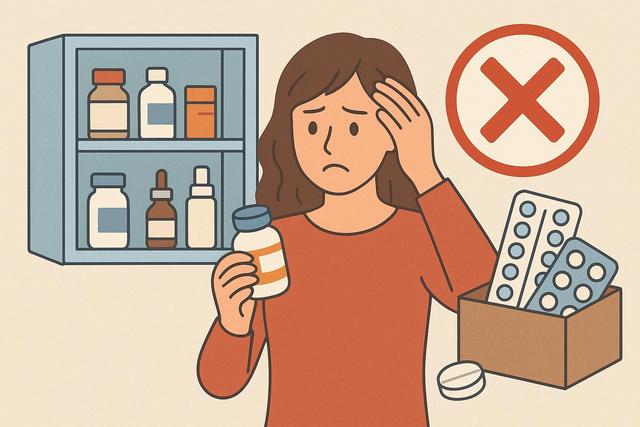
The importance of proper medication storage cannot be overstated. Inadequate storage practices can severely compromise the safety and effectiveness of pharmaceuticals. This strategic guide delves into common storage mistakes, illustrating their impact with real-world examples and actionable advice for preserving medication integrity.
Understanding Medication Storage Basics
Importance of Correct Conditions
Proper storage conditions are critical to maintaining medication potency and safety. Heat, moisture, and light can alter chemical compositions, reducing drug effectiveness. For instance, insulin requires refrigeration, as temperatures above its storage condition reduce its efficacy source.
Common Storage Sites and Risks
Many choose bathroom cabinets for convenience, but this exposes drugs to humidity, which can accelerate degradation. A study from the National Institute of Health found that medications stored in bathrooms lose potency 27% faster than those kept elsewhere.
Temperature and Humidity Control
The Role of Temperature
Temperature fluctuations are detrimental, particularly for temperature-sensitive drugs like vaccines. According to the CDC, 6% of vaccines are exposed to improper temperatures at home leading to ineffectiveness.
Humidity’s Impact on Pharmaceuticals
High humidity is a silent degrader. A 2021 study documented that tablets stored in humid conditions showed a 10% decrease in efficacy over six months.
- Always store medications in cool, dry places.
- Utilize desiccants as recommended.
Light and UV Exposure
Chemical Breakdown from Light
Excessive light exposure accelerates the chemical breakdown in drugs like antibiotics, reducing their efficacy. This is why many are in amber bottles. Studies confirm up to 20% potency loss due to light.
Case Study: Protecting Photosensitive Medications
Photostability tests by WHO identified degradation in antihypertensives when exposed to sunlight. Given these insights, consumers should keep medications in original packaging.
- Utilize opaque containers if originals aren't available.
- If possible, store away from windows or direct light.
Original Packaging vs. Pill Organizers
Advantages of Original Packaging
Original packaging is designed to protect from environmental factors. It's often airtight and tinted, contributing to longer shelf life. Changing containers can expose medications to elements they aren't protected against.
Risks with Pill Organizers
While convenient, pill organizers often lack protective features against moisture and UV. Anecdotal reports suggest increased dosages needed when medications are stored in inferior containers.
- Use high-quality organizers with seals.
- Refill organizers weekly to minimize exposure.
Expiration Dates and Beyond-Use Dates
Understanding Expiration vs. Beyond-Use
Expiration dates ensure drug safety until unopened, but open medications often have shorter beyond-use dates. A study in JAMA revealed consumers often misunderstand these terms, risking safety.
Practical Management Tips
Keep a personal log of medication dates. Engage pharmacists to understand specific beyond-use dates for opened products.
- Always check labels for beyond-use periods.
- Regular audits can prevent inadvertent usage of expired products.
Strategic Storage Solutions
Utilizing Medicine Cabinets and Fridges Wisely
Medicine cabinets should be dry, and only certain medications should be refrigerated. The WHO recommends storing medications not requiring refrigeration at 59-77°F.
Creative Solutions for Limited Space
For small spaces, consolidating medications by family necessity and employing drawer organizers keep drugs orderly while mitigating risk exposure.
- Invest in small, controlled-climate storage units for drugs with diverse needs.
- Arrange medications by type and necessity frequency for easy access.
Conclusion
Proper medication storage is crucial for maintaining effectiveness and safety. Consumers should prioritize the conditions of temperature, humidity, and light exposure, leveraging appropriate packaging and strategic placement. Implementing these recommendations can significantly mitigate risks associated with medication degradation and ensure that pharmaceuticals serve their intended purpose efficiently.
Takeaway Steps:
- Audit Storage Locations: Ensure all medications are kept in dry locations.
- Consult Pharmacists: Verify the correct conditions and usage timelines.
- Monitor Conditions: Use apps or devices to monitor temperature and humidity.
- Educational Updates: Encourage ongoing learning about pharmaceutical handling.

