
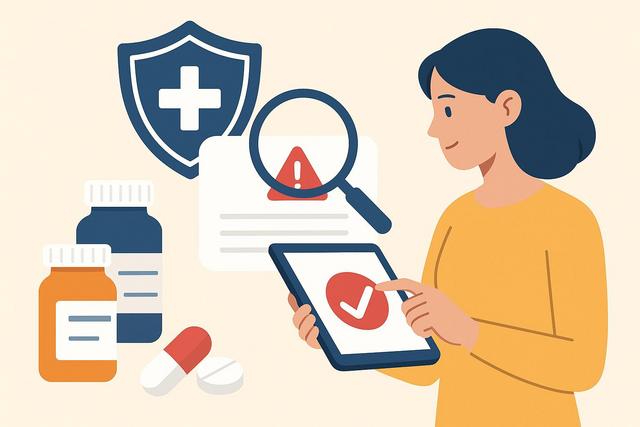
Navigating the complexities of medication can be challenging. With the rise of online medication interactions checker tools, individuals can now reliably assess potential drug interactions, offering an essential layer of safety and peace of mind. These tools empower both healthcare practitioners and patients to make informed decisions about medication regimens, ultimately aiming to enhance effectiveness and reduce risks.
Understanding Medication Interactions
Medication interactions occur when one drug affects the activity of another, leading to reduced efficacy or increased toxicity. Such interactions can result in unforeseen side effects, ranging from mild discomfort to life-threatening conditions. Therefore, it's crucial to proactively identify potential interactions before they pose a risk.
Types of Drug Interactions
- Drug-Drug Interactions: Occurs when two or more medications react.
- Drug-Food Interactions: Food can affect a drug's absorption, metabolism, or clearance.
- Drug-Condition Interactions: Certain drugs may exacerbate existing health conditions.
- Drug-Alcohol/Tobacco Interactions: Alcohol or tobacco consumption can influence drug effectiveness.
Real-World Example
Consider a patient taking warfarin, a common anticoagulant. If they start using ibuprofen without consulting a healthcare provider or an interaction checker, it could lead to increased bleeding risk—a compelling reason to utilize medication interaction tools.
How Medication Interactions Checker Tools Work
Online medication interactions checker tools are designed to assess potential interactions among medications by comparing a patient’s drug list against a vast database of documented interactions.
Features of Reliable Tools
- Comprehensive Database: Access to the latest drug interaction data is pivotal.
- User-Friendly Interface: A simple, intuitive design is important for accessibility.
- Real-Time Updates: Keeping up with new drug approvals and emerging interaction data.
- Detailed Information: Beyond identifying interactions, they should provide insight into potential effects and alternative options.
Example Tool: Drugs.com Interactions Checker
Drugs.com provides extensive interaction data, user-friendly functionality, and continuously updated information, serving as a trustworthy tool for both healthcare providers and individuals.
Evaluating the Benefits of Using Interaction Tools
Utilizing medication interactions checker tools offers significant advantages:
- Enhanced Patient Safety: Identification of potentially harmful interactions before they occur.
- Informed Decision-Making: Patients and healthcare practitioners can devise better therapeutic plans.
- Time Savings: Rapid assessment of complex medication regimens.
Critical Perspective on Medication Checker Tools
While these tools are essential, they also have limitations:
Common Risks and Limitations
- Reliance on Accuracy: Tools are only as accurate as their databases.
- User Overconfidence: Online tools should complement, not replace, professional medical advice.
- Incomplete Data: Emerging drugs might not be fully represented initially.
Case Study
A study by Purdue University highlighted variability in accuracy between different tools. Some failed to recognize certain interactions, underscoring the importance of professional oversight.
Practical Recommendations for Safe Medication Use
- Cross-Check with Professional Advice: Always consult healthcare providers after using an online checker.
- Regular Updates: Ensure your interaction tool is up-to-date.
- Comprehensive Lists: Provide full disclosure of all medications to your healthcare provider, including over-the-counter drugs and supplements.
Mistakes to Avoid with Medication Interactions
Patients often misunderstand the scope and limitations of interaction checkers. Here are common mistakes:
- Disregarding Professional Consultation: Never forgo professional advice based on online tool results alone.
- Partial Drug Lists: Providing incomplete information can lead to unrecognized interactions.
- Ignoring Supplement Interactions: Natural supplements can also interact with medications.
Conclusion
Medication interactions checker tools are invaluable resources in managing medication safety. By understanding their functionality and limitations, patients and healthcare providers can significantly enhance therapeutic outcomes and reduce adverse interactions. The strategic use of these tools—coupled with professional guidance—creates a robust approach to medical management.
Implementation Steps
- Identify a Reliable Tool: Consider using well-regarded options like Drugs.com or Epocrates.
- Regularly Use the Tool: Make it a habit to check interactions annually or whenever new medications are added.
- Consult Healthcare Providers: Use the tool’s results as a discussion point with your healthcare team.
FAQ
Are online medication interaction tools reliable?
They can be highly reliable when they utilize comprehensive, up-to-date databases. However, they should serve as a supplement to professional medical advice.
Can these tools replace my doctor's advice?
No, online tools should complement—not replace—healthcare provider consultations.
Do interaction checkers include natural supplements?
Many tools include supplements, but it’s crucial to ensure the tool you use covers them comprehensively.

