Mental Health Trends to Watch in 2025
- 09/24/2025 09:11am
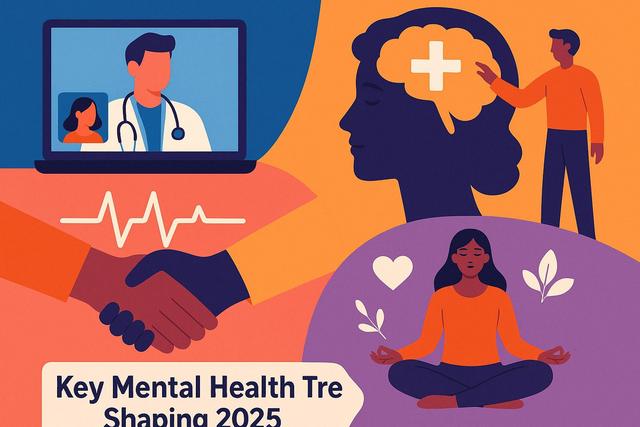
As we look towards 2025, understanding the emerging trends in mental health becomes pivotal. The year promises transformative changes in how mental health services are accessed, perceived, and integrated into our daily lives. From advancements in technology to shifts in societal attitudes, mental health is anticipated to take center stage in public discourse and healthcare innovation.
The Rise of Digital Mental Wellness Tools
In 2025, digital mental wellness tools are set to revolutionize how individuals engage with mental health services. Applications and platforms providing access to cognitive behavioral therapy, mindfulness exercises, and personalized mental health plans are becoming increasingly sophisticated._
1. Teletherapy and AI-Driven Support
Teletherapy is expected to see exponential growth, with advancements in AI improving service delivery. AI-driven virtual therapists can provide 24/7 support and personalized interaction based on users' emotional needs. Platforms like Woebot, which offer AI-driven therapeutic support, are paving the way for such innovations.
2. Self-Help Apps and Online Communities
According to HealthIT.gov, health apps are a burgeoning part of the telehealth landscape. Self-help mental health apps improve accessibility, offering tools such as mood tracking and stress management. Online communities on platforms like Reddit's mental health pages are supportive resources, providing communal spaces for shared experiences.
Expanding Access to Therapy
Affordable and Diverse Therapy Options
The demand for diverse and affordable therapy options continues to grow. Non-traditional therapies like art, music, and drama therapy are gaining traction due to their holistic benefits._
1. Governmental Policies and Insurance Reforms
Government initiatives aim to reduce barriers to access, including policy changes for insurance coverage on mental health services. According to Kaiser Family Foundation, future reforms may significantly expand mental health support, breaking financial burdens usually associated with therapy.
2. Culturally Competent Therapy
Therapists trained in cultural competence respect and acknowledge diverse backgrounds and experiences in treatment. This trend aims to broaden engagement among minority groups.
Integration of Mental Health into Primary Care
The burgeoning trend to integrate mental health into primary care offers a seamless service experience. This model reduces stigma and improves patient outcomes by creating a ‘one-stop-shop.’_
Workplace Mental Health Initiatives
Companies are increasingly committed to mental health enhancement by promoting workplace wellness programs._
1. Stress Reduction Programs
These initiatives focus on stress reduction, promoting a balance between work and personal life._
2. Mental Health Days
Allowing employees to take mental health days normalizes conversations about mental health and empowers employees to prioritize their well-being.
The Role of Data and Research
Investment in research will play a significant role in breaking ground for new treatment modalities and understanding mental health challenges such as anxiety, depression, and other psychological disorders.
1. Real-Time Data Monitoring
With wearables and mobile apps gathering data, clinicians can access real-time insights into the mental states of their patients. An example is Fitbit's stress management tracker, offering critical stress indicators through physiological data.
2. Genomics and Mental Health
Psychiatric genomics seeks to understand the genetic basis of mental illnesses, paving the way for personalized treatments. The National Institutes of Health supports research that reveals insights into genetic tendencies that affect mental health.
Conclusion
Navigating the evolving landscape of mental health in 2025 will require embracing technological advancements, advocating for diverse and accessible therapy options, and integrating mental wellness into various aspects of daily life. As we appreciate these trends, it’s crucial to equip ourselves with knowledge and actionable strategies, paving the way for a healthier society.
Actionable Takeaways
- Evaluate and integrate digital mental health tools into daily routines.
- Advocate for workplace mental health initiatives.
- Stay informed about the latest in mental health research and its applications.
- Support policies promoting broader access and insurance coverage for mental health services.

