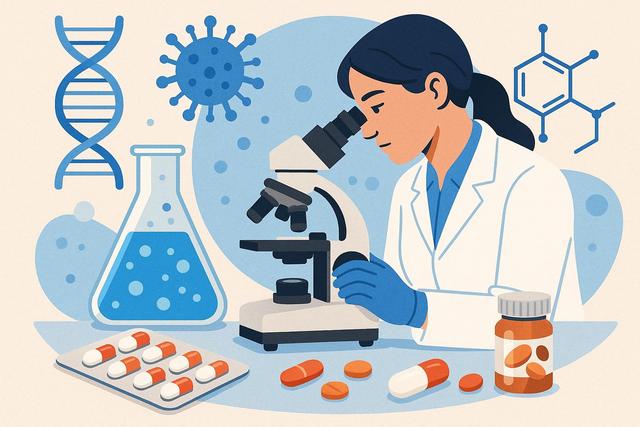
2025 is poised to be a milestone year for pharmaceutical advancements, with groundbreaking innovations on the horizon. This guide explores the most promising pharma developments expected to revolutionize healthcare.
Breakthrough Drug Developments in 2025
The pharmaceutical industry is on the brink of unveiling several groundbreaking drugs in 2025. These developments are expected to address unmet medical needs and improve patient outcomes significantly.
New Cancer Therapies
Cancer remains one of the most challenging diseases to treat. However, with advancements in precision medicine and immunotherapy, new treatments are expected to emerge in 2025. Research from Cancer Research UK indicates that next-generation CAR T-cell therapies are in late-stage clinical trials and show promise in targeting specific cancer types with high precision.
Cardiovascular Drugs
Cardiovascular diseases continue to be the leading cause of death worldwide. Innovative treatments focusing on cholesterol management and hypertension are part of the 2025 pipeline. For example, a new lipid-lowering drug, which manipulates PCSK9 pathways to significantly reduce LDL cholesterol, is anticipated to receive FDA approval.
Cutting-edge Biologics and Biosimilars
Biologics and biosimilars are a fast-growing segment of the pharmaceutical market. By 2025, several high-impact biologics are expected to enter the market, potentially altering treatment landscapes.
Advances in Biosimilars
Biosimilars offer a cost-effective alternative to expensive biologics. Legislation changes and increased investments are driving their rapid development and acceptance. Insight from Biologics and Biosimilars Collective Intelligence Consortium suggests an increase in biosimilar approvals in oncology and rheumatology.
Personalized Medicine
With advancements in gene editing technologies like CRISPR-Cas9, personalized medicine is becoming more feasible. Pharmacogenomics, which tailors drug therapy to individual genetic profiles, is likely to advance significantly by 2025.
Digital Health in Pharmaceuticals
Digital health is transforming how pharmaceutical companies operate, from drug development to patient interaction.
AI and Machine Learning
Artificial intelligence (AI) and machine learning (ML) have the potential to revolutionize drug discovery. According to a report by McKinsey & Company, AI-driven algorithms are accelerating the identification of potential drug candidates and optimizing clinical trials.
Wearables and Mobile Health
Wearable technology and mobile health applications offer new ways to monitor patient adherence and collect real-world data. It's expected that by 2025, most new drugs will be accompanied by digital health tools to enhance therapeutic outcomes.
Regulatory and Market Implications
Pharmaceutical innovations also bring regulatory challenges and market dynamics that stakeholders must navigate.
Evolving Regulatory Landscape
As outlined by the FDA, new regulatory frameworks are being developed to accommodate these innovations, focusing on accelerating approval times while ensuring safety and efficacy.
Market Dynamics
Pharmaceutical companies will face pressure to maintain competitive pricing while ensuring access to new therapies. The patent expiry of major drugs will usher in generic competition, influencing market strategies.
Conclusion
The pharmaceutical innovations expected in 2025 hold great promise to transform healthcare outcomes significantly. For stakeholders, staying informed and adapting to these changes is essential for leveraging new opportunities.
Actionable Takeaways
- Stay Updated on the Pipeline: Regularly check updates on forthcoming drugs and regulatory progress.
- Enhance Collaboration: Engage with key players in biotech and digital health to drive innovation.
- Educate and Advocate: Inform patients about upcoming therapies and the benefits they may offer.

