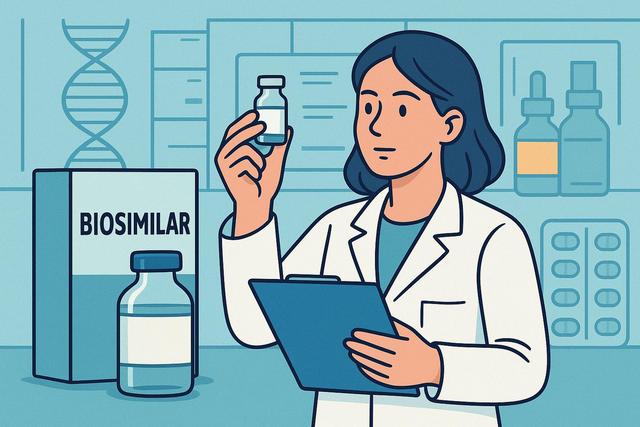
Biosimilars are playing a transformative role in the pharmaceutical industry, particularly as demand for cost-effective drugs surges. This comprehensive guide delves into the world of biosimilars, offering insights into their impacts, challenges, and future developments in 2026.
What Are Biosimilars?
Biosimilars are biologic medical products highly similar to already approved reference biologics in terms of efficacy, safety, and quality. Unlike generic drugs, which are identical chemical copies of brand-name drugs, biosimilars are complex, large molecules derived from living cells, leading to natural variability. Their equivalence to original biologics makes them pivotal in addressing healthcare affordability and accessibility.
Significance of Biosimilars in 2026
As of 2026, the global biosimilars market has experienced exponential growth. According to market research data, the biosimilars market is expected to reach $35 billion, driven by an increasing prevalence of chronic diseases and rising healthcare costs. This makes biosimilars a crucial component in the future of pharmaceuticals, contributing to significant cost savings and expanded access to vital treatments.
Economic Impact
The introduction of biosimilars has led to competitive pricing within the pharma landscape. For healthcare systems, biosimilars offer an attractive solution to spiraling biologic drug costs, enhancing sustainability. The U.S. FDA suggests that increased biosimilar adoption could lead to savings of approximately $54 billion through 2026.
Regulatory Landscape and Approval
The regulatory environment plays a significant role in biosimilar development and approval. Agencies like the European Medicines Agency (EMA) and the FDA have established rigorous guidelines to ensure biosimilarity in terms of safety and potency, fostering trust among healthcare providers and patients.
Case Study: The EU Experience
The EU is a pioneer in biosimilar regulation, launching its first biosimilar in 2006. Since then, the region has seen widespread acceptance and usage, setting a benchmark for regulatory frameworks globally. This success can serve as a model for other regions, highlighting the importance of strong regulatory guidelines and consistent monitoring.
Challenges Facing Biosimilar Adoption
Despite their benefits, biosimilars face several hurdles. Key challenges include physician awareness, patient acceptance, and market penetration. Raising awareness through dedicated educational initiatives is essential to overcoming these challenges and ensuring widespread adoption.
Actionable Insights for Pharma Stakeholders
- Enhance Educational Campaigns: Target healthcare providers to increase understanding and acceptance.
- Strengthen Collaborations: Partner with regulatory bodies to streamline approval processes.
- Innovate Market Strategies: Develop strategies that align with competitive market dynamics to ensure sustainable adoption.
Conclusion and Future Outlook
Biosimilars represent a significant advancement in the pharmaceutical industry, promising cost-effective and accessible treatments. By 2026, the expansion of biosimilars will hinge on continued regulatory support, innovative strategies, and collaborative efforts across stakeholders. Investments in biosimilars not only fuel market growth but also play a pivotal role in transforming patient care across the globe.
Actionable Takeaways: Companies should focus on innovation and collaboration, and invest in education to successfully navigate the evolving biosimilar landscape. This will ultimately ensure that biosimilars fulfill their potential to improve healthcare outcomes and economic efficiency.

