Online Therapy vs. In-Person: Which Is More Effective?
- 11/26/2025 05:11am
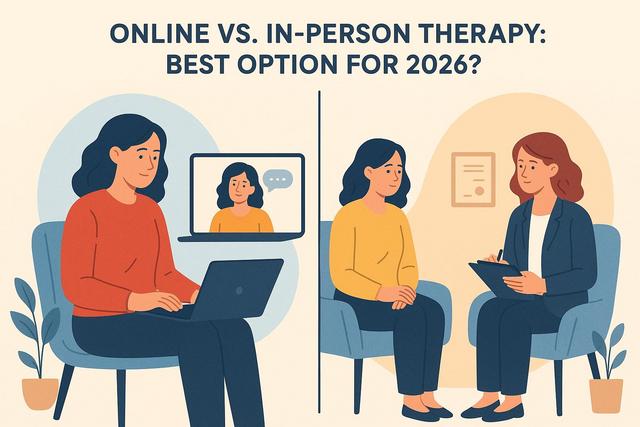
As we advance toward 2026, the debate continues over the effectiveness of online vs. in-person therapy. With technological advancements and changing societal norms, both modalities have unique benefits and challenges. This guide explores the intricacies of both forms of therapy, providing an in-depth analysis to help you make an informed decision.
Understanding Online Therapy
Online therapy, also known as digital counseling or e-therapy, utilizes the internet for therapy sessions via video calls, chat, or email. It offers unparalleled convenience and accessibility, especially beneficial for individuals in remote areas or those with mobility limitations. American Psychological Association highlights that online therapy can be as effective as traditional methods for many mental health issues.
Benefits of Online Therapy
Availability and flexibility are key advantages of online therapy. Clients can access services from the comfort of their homes and often have more flexible scheduling options, which is crucial for those with busy lifestyles.
- Reduced Costs: Online sessions tend to be more affordable due to reduced overhead costs for clinicians.
- Accessibility: It eliminates geographical barriers, enabling people in rural locations to access quality care.
- Comfort and Privacy: Conducting sessions from a familiar environment can increase client comfort, reducing initial treatment anxiety.
Challenges of Online Therapy
Despite its benefits, online therapy faces significant challenges. Notably, the lack of physical presence can hinder the development of a therapeutic alliance, a cornerstone of effective therapy.
Technical and Privacy Concerns
Technical issues such as poor internet connectivity can disrupt sessions, and concerns about data privacy are notably high. Practitioners must comply with HIPAA regulations to ensure client confidentiality.
In-Person Therapy: A Traditional Approach
Face-to-face therapy has long been the standard, offering personal interaction that many find irreplaceable. It's particularly beneficial when dealing with severe mental disorders requiring immediate physical presence for assessment and intervention.
Advantages of In-Person Sessions
Close physical presence in therapy allows therapists to pick up on non-verbal cues and body language that might go unnoticed online.
- Therapeutic Alliance: Building rapport and trust is generally more effective in person.
- Immediate Intervention: For crisis interventions, being physically present is advantageous for offering immediate support and comfort.
Limitations of In-Person Therapy
While effective, in-person therapy comes with its downsides, such as higher costs and inflexible scheduling. Moreover, commuting to a therapist's office can be a barrier for those with busy schedules or transportation issues.
A Comparative Analysis
A study conducted by the APA in 2025 indicated that both online and in-person therapy have similar outcomes for most common mental health issues like depression and anxiety. However, the modality's choice often depends on personal preferences and specific treatment needs.
Case Studies Highlighting Effectiveness
- Online Therapy Success: A 2024 study at the Elsevier Journal of Psychiatric Research reported that individuals with mild to moderate depression experienced significant improvement within six months of online therapy.
- In-Person Therapy Success: Patients with PTSD showed greater improvement with face-to-face interaction as reported by The Cochrane Library in 2025.
Making the Choice: Factors to Consider
When choosing between online and in-person therapy, consider factors such as:
- Personal Comfort with Technology
- Nature and Severity of Your Mental Health Issues
- Scheduling Flexibility
- Geographic Location and Accessibility
Actionable Insights
Evaluate your comfort level with technology and privacy concerns related to digital communications. If in-person interaction is crucial, opt for face-to-face meetings. Conversely, if convenience and accessibility are priorities, online therapy might be the preferred medium.
Conclusion: What Works Best for You?
Both online and in-person therapies present distinct advantages and limitations. As of 2026, effectiveness boils down to personal preference, specific conditions, and lifestyle needs. When in doubt, consult with a mental health professional to explore what aligns best with your therapeutic goals and circumstances.

