Pain Management in Telemedicine: Best Practices
- 12/05/2025 05:11am
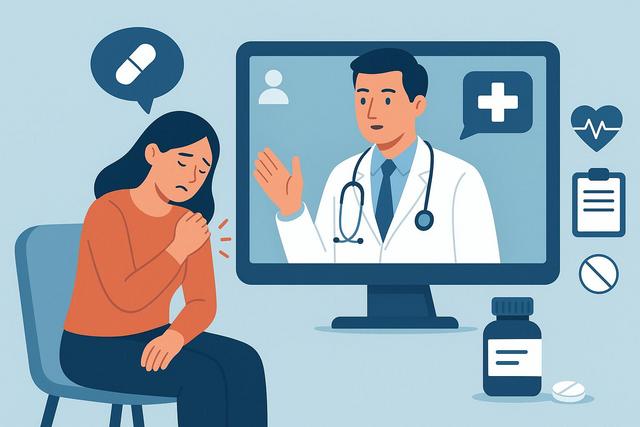
Telemedicine has revolutionized healthcare delivery, especially in chronic pain management. This comprehensive guide explores how telemedicine effectively addresses pain management, offering timely interventions and strategies while overcoming traditional barriers.
The Evolution and Importance of Telemedicine in Pain Management
Telemedicine, the delivery of healthcare services through technology, has significantly transformed how patients access pain management. With advancements in digital health, telemedicine offers a convenient platform for patients to consult healthcare providers, reducing barriers such as geographical distance and limited mobility. The rise of chronic pain conditions, including arthritis, migraines, and fibromyalgia, necessitates innovative approaches like telemedicine to provide patients with real-time medical attention and guidance.
Key Benefits of Telemedicine for Pain Management
Telemedicine offers numerous advantages for managing chronic pain. Here are some of the most significant benefits:
- Accessibility: Patients living in remote areas can manage everyday pain and access specialists without traveling long distances.
- Convenience: Virtual appointments reduce the need for patients to arrange transportation or take time off work.
- Personalized Care: Telemedicine platforms allow for the development of individualized treatment plans that cater to specific pain management needs.
- Timely Intervention: Quick access to specialists can prevent the exacerbation of pain-related issues by ensuring timely medical interventions.
Best Practices for Pain Management in Telemedicine
To maximize the effectiveness of telemedicine in pain management, healthcare providers and patients should follow these best practices:
Develop a Comprehensive Assessment
Ensure thorough initial assessments using validated pain assessment tools. Tools like the Brief Pain Inventory (BPI) and the Numeric Rating Scale (NRS) help in evaluating pain intensity and impact on the patient's life. CDC Guidelines for Prescribing Opioids provide a framework for safe pain management strategies.
Utilize Technology for Enhanced Engagement
Engage patients using digital tools such as mobile applications and wearables. Apps like MyPainTracker allow patients to log their pain symptoms and medication compliance, helping providers adjust treatment plans effectively.
Multidisciplinary Approach
Encourage a comprehensive approach to pain management by involving multidisciplinary teams. Collaborate with physiotherapists, nutritionists, and mental health specialists to address the multifaceted nature of chronic pain.
Continuous Education and Training
Healthcare providers should engage in continuous education to stay updated on telemedicine technologies and pain management protocols. Accredited online courses such as those offered by the American Academy of Pain Medicine are valuable resources.
Challenges in Telemedicine for Pain Management
Despite its benefits, telemedicine presents challenges such as:
- Technological Barriers: Limited access to technology or internet connectivity can hinder effective telemedicine delivery.
- Privacy Concerns: Ensuring patient data privacy is critical, requiring adherence to regulations like HIPAA.
- Quality of Care: Establishing trust and a strong provider-patient relationship can be challenging through digital platforms.
Case Study: Successful Implementation
In a recent implementation at a medical center in California, telemedicine effectively managed a cohort of 200 chronic pain patients. The program showed a 30% reduction in pain scores over six months by integrating virtual appointments, patient education, and personalized medication regimens.
Conclusion and Actionable Takeaways
Telemedicine offers significant advancements in pain management, providing accessibility, timely care, and patient-centered approaches. To optimize its potential:
- Invest in technology and skills to enhance service delivery.
- Engage with patients actively to tailor personalized care plans.
- Overcome technological and privacy challenges by adhering to best practices and evolving with technological advancements.
Telemedicine, when effectively utilized, stands as a beacon of hope in managing chronic pain conditions, promoting healthier outcomes and improving quality of life for patients across the globe.

