Remote Monitoring Devices: Are They Accurate?
- 04/01/2026 05:11am
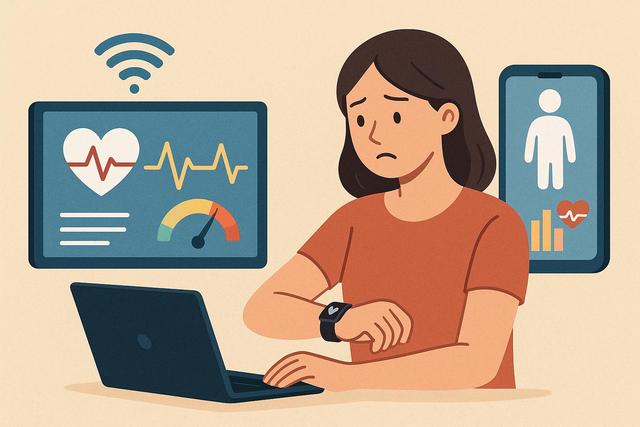
Remote monitoring devices have revolutionized healthcare, offering potential benefits in real-time health tracking and patient convenience. However, the burning question remains: how accurate are these devices? This article delves into the accuracy of remote monitoring devices, exploring their functionality, reliability, and impact on modern healthcare. With an abundance of health wearables and telehealth devices on the market, understanding their efficacy is crucial for both healthcare providers and patients. Join us as we examine the technology behind these devices, real-world data, and provide actionable insights for their effective use.
Understanding Remote Monitoring Devices
What Are Remote Monitoring Devices?
Remote monitoring devices are instruments that collect, analyze, and transmit health data from the patient to healthcare professionals. These devices range from simple wearable fitness trackers to sophisticated telehealth systems that monitor chronic conditions.
How Do They Function?
Equipped with sensors and connectivity modules, remote monitoring devices gather data like heart rate, blood pressure, and glucose levels, transmitting this information through mobile apps or directly to healthcare providers. For example, the Fitbit (source: Fitbit) uses optical sensors to measure heart rate, sending data to synced devices.
Accuracy Metrics in Remote Monitoring
Measurement Discrepancies
Accuracy in remote monitoring devices can vary. For instance, a 2021 study published in the Journal of Medical Internet Research (source: JMIR) observed an average 7% deviation in heart rate readings between consumer-grade wearables and clinical equipment.
Calibration and Environmental Factors
Variations in temperature and user calibration can affect accuracy. A wearable may provide inconsistent readings if worn improperly or when subjected to fluctuating temperatures. Devices like the Withings Blood Pressure Monitor (source: Withings) require periodic user calibration to ensure accuracy.
Comparison of Different Device Types
| Device Type | Primary Use | Typical Accuracy |
|---|---|---|
| Fitness Trackers | Activity/steps | Moderate (5-10%) |
| Smartwatches | Heart rate/sleep | Moderate (5-10%) |
| Medical Grade | Chronic conditions | High (1-3%) |
Fitness Trackers vs. Medical Grade
Fitness trackers may lack the clinical precision of medical-grade devices, often serving more as indicators than diagnostics. Whereas medical-grade devices undergo rigorous testing and approval processes, enhancing their reliability.
Strategizing Device Selection
Professionals should guide patients in choosing the right device for their specific health needs, balancing cost, convenience, and necessary precision.
Real-World Applications and Effectiveness
Case Study: Chronic Disease Management
Healthcare providers have utilized remote monitoring in managing chronic illnesses like diabetes, using devices to track patient glucose levels and adjust treatment accordingly. The Journal of Diabetes Science and Technology (source: JDST) highlights successful integration in patient care, resulting in improved outcomes.
Impact on Healthcare Costs
By reducing hospital visits and readmissions, remote monitoring devices save significant healthcare costs. According to Healthcare Financial Management Association (source: HFMA), hospitals reported a reduction in costs by up to 20% after implementing remote monitoring systems.
Strategic Insights for Effective Implementation
Emphasizing Data Security
Data security is paramount, as these devices handle sensitive health information. Implementing strong cybersecurity measures and educating patients about data privacy is crucial.
Continuous Device Evaluation and Updates
Healthcare providers should regularly review the effectiveness and updates of devices to ensure ongoing reliability and compliance with the latest technological standards. For instance, maintaining device firmware updates can enhance performance and security.
Future Trends and Developments
AI Integration
Artificial Intelligence could further improve the accuracy of remote monitoring by analyzing vast datasets to recognize patterns, thereby offering more precise and predictive analytics.
Increased Personalization
With advancements in genetics and personalized medicine, remote devices may soon tailor functionalities to individual health profiles, enhancing both accuracy and user engagement.
Conclusion
Remote monitoring devices, while transformative, present challenges in accuracy and reliability. Understanding these limitations, alongside ongoing advancements, is key to maximizing their benefits. Particularly, accurate implementation involves strategic selection, personal calibration, and regular updates. Moving forward, the integration of AI and personalized healthcare promises to enhance device precision and patient outcomes significantly.
Implementation Steps:
- Educate patients on proper device usage and calibration.
- Prioritize privacy through robust data protection protocols.
- Adopt AI technologies for advanced data analysis.
- Regularly evaluate and update devices to align with the latest healthcare standards.

