Remote Psychiatric Evaluations: Are They Reliable?
- 11/10/2025 05:11am
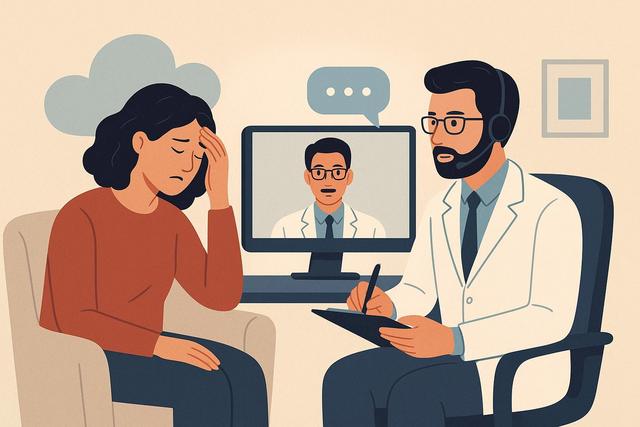
In an era where telehealth is revolutionizing medical consultations, remote psychiatric evaluations are increasingly becoming the norm. But how reliable and effective are these online mental health assessments? This article delves into the intricacies of remote psychiatric evaluations, exploring their benefits, limitations, and overall reliability.
The Rise of Remote Psychiatric Evaluations
The advent of telemedicine has fundamentally altered the landscape of mental health services, offering unprecedented access to psychiatric care. Remote psychiatric evaluations, typically conducted via video conferencing tools such as Zoom or specific telemedicine platforms like Amwell, provide a convenient and often cost-effective means for patients to seek help from the comfort of their homes.
Why They Gained Popularity
This shift toward online mental health assessments is driven by several factors:
- Accessibility: Patients in remote or underserved areas can now connect with mental health professionals without the need for travel.
- Convenience: Flexible scheduling options accommodate patients' busy lifestyles, reducing barriers to consistent care.
- Privacy: Some individuals feel more comfortable discussing sensitive topics in a familiar environment.
The Reliability of Online Mental Health Assessments
A critical question arises: Are remote psychiatric evaluations reliable in diagnosing and managing mental health conditions?
Current Research Findings
Recent studies suggest that remote evaluations can be just as effective as in-person assessments for certain conditions. A publication from the National Center for Biotechnology Information (NCBI) highlights that telepsychiatry shows comparable reliability to face-to-face assessments in diagnosing depression and anxiety disorders.
Challenges Faced
Despite promising data, several challenges persist:
- Technical Issues: Poor internet connectivity can disrupt sessions, affecting the flow of the evaluation.
- Non-Verbal Cues: Remote platforms may limit the clinician's ability to observe subtle physical cues, crucial for accurate diagnosis.
- Security Concerns: Ensuring patient data confidentiality requires robust cybersecurity measures.
Standards and Tools Enhancing Reliability
Various established guidelines and tools work towards maintaining high standards in remote psychiatric evaluations:
Utilizing Standardized Assessment Tools
Many practitioners incorporate standardized tools like the Patient Health Questionnaire (PHQ-9) for evaluating depression symptoms, ensuring consistency across both remote and in-person settings.
Developing Practitioner Competencies
To uphold the quality of telepsychiatry, ongoing training for mental health professionals is crucial. Organizations like the American Psychiatric Association offer resources to enhance practitioners' competencies in telehealth delivery.
Case Studies and Their Insights
Numerous case studies underline the effectiveness of remote evaluations in specific scenarios:
Case Study: Rural Mental Health Access
A study conducted in rural New Mexico revealed a significant increase in patient engagement when telepsychiatry services were introduced, with a reduction in missed appointments and overall enhanced patient satisfaction.
Learning from Innovative Models
Innovative models, such as hybrid approaches that involve periodic in-person follow-ups, have demonstrated improved engagement and adherence to treatment plans.
Conclusion and Actionable Takeaways
Remote psychiatric evaluations are a valuable asset in modern mental health care, offering comparable reliability to traditional methods, especially for common conditions like depression and anxiety. To extract maximum benefit, patients and providers should:
- Enhance Technology Infrastructure: Investing in reliable connectivity and secure platforms is fundamental.
- Adopt a Blended Care Model: Combining remote evaluations with in-person visits can mitigate some telepsychiatry limitations.
- Focus on Professional Development: Continuous learning around telepsychiatry best practices is vital for practitioners.
As the landscape of mental health care evolves, embracing the potential of remote evaluations while addressing existing challenges will be key to ensuring reliable and effective psychiatric care.

