Safe Use of Over-the-Counter Medications in 2025: A Comprehensive Guide
- 10/10/2025 09:12am
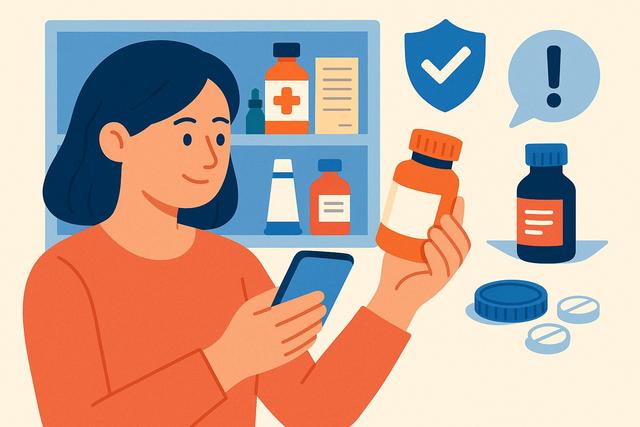
In 2025, the landscape of over-the-counter (OTC) medications has evolved, making it more crucial than ever to understand how to use them safely. With the convenience of self-medication comes the responsibility to avoid potential risks and misuse. This guide will provide you with actionable insights, detailed analysis, and authoritative references to empower you in making informed decisions.
Understanding OTC Medications in 2025
Over-the-counter medications are drugs that can be purchased without a prescription, used to treat a variety of ailments, from common colds to minor aches and pains. In 2025, advancements in pharmaceutical technology and regulatory changes have expanded the range of OTC products. However, this convenience necessitates greater awareness and education to ensure safe usage.
The Importance of Reading Labels
Reading and understanding medication labels is a fundamental step in safe OTC use. Labels contain crucial information about the active ingredients, dosages, warnings, and potential side effects. In 2025, advanced QR code technology on labels provides immediate access to detailed drug information and possible interactions via smartphones. According to a study published in the Journal of Medical Internet Research, consumers engaging with this digital information were less likely to misuse OTC medications.
Common Mistakes to Avoid
- Ignoring Dosage Instructions: A common error is taking higher doses for faster relief, which can lead to adverse effects.
- Mixing Medications: Combining different OTC drugs without checking their active ingredients can result in dangerous drug interactions.
- Overlooking Expiry Dates: Using expired medications reduces effectiveness and can be harmful.
Self-Medication Risks
Self-medication, while convenient, poses several risks. A report by the World Health Organization highlights the dangers of antibiotic resistance, exacerbated by indiscriminate OTC use. Users should be cautious of symptoms that persist, warranting a consultation with healthcare professionals.
Enhancing Safe Use Practices
Educating Yourself with Trusted Resources
Utilize authoritative websites like MedlinePlus and Mayo Clinic that provide comprehensive drug information and advice on proper usage.
Consulting with Pharmacists
Pharmacists serve as accessible healthcare professionals who can offer guidance on drug interactions and suitable options based on individual health histories.
Utilizing Mobile Health Apps
In 2025, mobile health apps like GoodRx provide easy access to drug information, price comparisons, and alerts for refills and drug interactions, promoting safer medication practices.
Legal and Regulatory Considerations
Updated FDA Guidelines
The U.S. Food and Drug Administration (FDA) continues to refine its guidelines on OTC medications, focusing on clearer labeling, digital access to information, and mandatory updates on new research findings. Staying informed about these changes is crucial for both consumers and healthcare providers.
International Travel Considerations
Traveling internationally with OTC medications requires awareness of varying regulations. Websites like Travel Health Pro provide up-to-date guidance on the legal considerations of bringing and using medications abroad.
Conclusion and Actionable Takeaways
To ensure the safe use of OTC medications in 2025, it is essential to stay informed by leveraging technology, consulting with healthcare professionals, and adhering to medical guidelines. By avoiding common mistakes and embracing new educational tools, you can manage your health more effectively.
Actionable Takeaways:
- Always read and understand medication labels before use.
- Consider consulting pharmacists for advice tailored to your health needs.
- Utilize digital resources and apps for medication management.
- Stay updated on regulatory changes and travel considerations.

