Safeguarding Patient Data in Telemedicine: A Modern Necessity
- 02/13/2026 05:11am
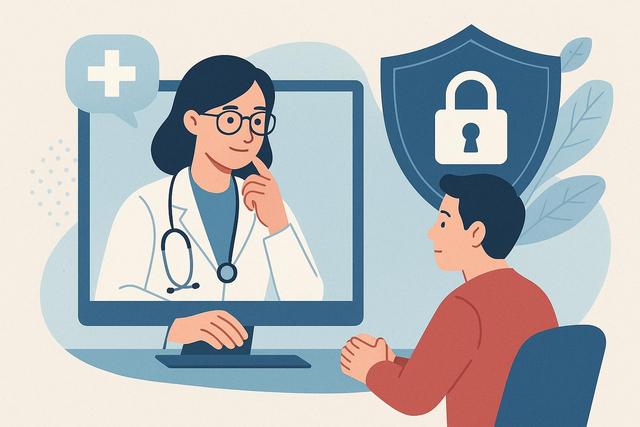
As telemedicine becomes increasingly integral to healthcare, understanding the intricacies of data privacy is crucial. This guide explores how patient data is stored, shared, and protected in the digital age.
Understanding Telemedicine and Its Evolution
Telemedicine has revolutionized healthcare by offering remote clinical services, education, and monitoring. With the rise of high-speed internet and smart devices, telemedicine is now more accessible than ever, affecting millions worldwide.
The Importance of Data Privacy in Telemedicine
The Rise of Health Data Breaches
The shift to digital health records raises concerns about data security. Health data breaches can lead to significant financial and reputational damage for healthcare providers.
Legal Frameworks and Regulations
In response, regulations such as HIPAA in the US and the GDPR in Europe enforce stringent data protection standards, encompassing encryption and access controls.
How Patient Data Is Stored
Electronic Health Records (EHRs)
EHRs are digital versions of patient charts. Ensuring their security involves measures like encryption and regular audits.
Secure Data Centers
Data is often stored in secure, compliant data centers equipped with physical security, redundant power supplies, and staff limited access.
Sharing Patient Data Safely
Role-Based Access Control (RBAC)
Only authorized personnel should access sensitive data. RBAC ensures data is available only on a need-to-know basis.
Secure Messaging Platforms
Utilizing encrypted messaging systems helps in securely sharing information between patients and healthcare providers.
Protecting Patient Data
Advanced Encryption Standards
Encryption transforms readable data into a secure format that requires a key to decode. This protects data during transmission and storage.
Two-Factor Authentication (2FA)
By requiring two forms of identification, 2FA significantly enhances data security, preventing unauthorized access.
Case Study: The Cleveland Clinic
The Cleveland Clinic emphasizes rigorous data privacy protocols. Their approach includes regular security assessments and staff training, resulting in a robust security culture.
Safeguarding Personal Health Information
Best Practices for Healthcare Providers
Ensuring updated software, conducting regular audits, and promoting a security-conscious culture are vital steps.
Empowering Patients
Patients should be educated on securing their personal information by using strong passwords and understanding privacy policies.
Conclusion: Actionable Takeaways
- Regular Training: Healthcare providers must offer continuous training for staff about data privacy risks and protocols.
- Enhanced Encryption: Implement robust encryption standards to protect data integrity and confidentiality.
- Patient Education: Engage patients in understanding the importance of their role in maintaining data privacy.
- Continuous Evaluation: Conduct ongoing security assessments and updates to ensure compliance with regulations.
With the rapid adoption of telemedicine, ensuring stringent data privacy is no longer a choice but a necessity for both healthcare providers and patients.

