Telehealth Revolutionizes Women's Preventive Health in 2026
- 12/15/2025 05:11am
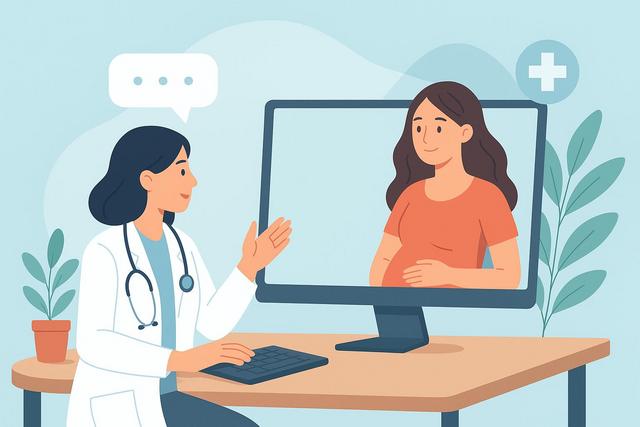
In 2026, telehealth platforms have revolutionized the approach to women's preventive health. With increasing accessibility and advancements in technology, women worldwide are benefitting from virtual check-ups and screenings. This transformation is not just a trend; it’s a pivotal movement in healthcare that is improving outcomes and accessibility for women.
The Rise of Telehealth in Women's Preventive Care
Telehealth has experienced exponential growth in the past decade, primarily driven by the need for convenient and cost-effective healthcare solutions. For women, preventive health services have become more accessible than ever before due to these digital platforms.
The Role of Telehealth in Routine Check-Ups
Women can now schedule routine check-ups and screenings from the comfort of their homes. Notable platforms such as Mayo Clinic and Cleveland Clinic offer comprehensive services that facilitate regular health maintenance without the need for in-person visits.
Impact on Breast and Cervical Cancer Screenings
Innovative telehealth solutions have enhanced early detection of breast and cervical cancers through remote consultations and at-home testing kits. For instance, American Cancer Society highlights how virtual follow-ups have increased screening adherence rates.
Benefits of Virtual Preventive Care for Women
Telehealth provides numerous benefits, including enhanced access to specialists, reduced travel time, and the ability to manage appointments easily through smartphone apps.
Accessibility and Convenience
Telehealth eliminates geographical barriers, allowing women in rural or underserved areas access to high-quality care. This accessibility is critical for those requiring frequent specialist consultations.
Cost-Effectiveness
The transition to virtual care has reduced overall healthcare costs by eliminating unnecessary hospital visits and leveraging efficient technology to manage chronic conditions.
Adapting to a Digital Healthcare Model
As telehealth becomes a staple in health management, understanding and adapting to digital tools is essential. Organizations like the U.S. Department of Health & Human Services provide resources to educate patients about safe and effective telemedicine practices.
Challenges and Solutions
Challenges such as data security and technological literacy persist. However, ongoing improvements in cybersecurity and user-friendly interface designs are mitigating these issues.
The Future of Women’s Health Telemedicine
The future holds even greater promise with AI-driven diagnostics and personalized health insights playing a larger role in preventive care. As technology advances, emerging solutions are expected to further streamline women's healthcare.
Leveraging Artificial Intelligence
AI is increasingly being used to analyze medical data, offering more personalized care recommendations. Systems like IBM Watson Health are at the forefront, bridging the gap between vast medical data and actionable patient care.
Actionable Steps for Individuals and Healthcare Providers
- Individuals should familiarize themselves with the functionalities of telehealth platforms and invest in secure digital solutions.
- Healthcare providers must prioritize transparency in privacy policies to ensure patient trust.
By embracing these new models, women and healthcare providers can optimize health outcomes and quality of life significantly.
Conclusion: Telehealth's Lasting Impact
Telehealth for women's preventive health in 2026 is more than a technological shift; it represents a new healthcare era, where accessibility, efficiency, and personalized care are at the forefront. As advancements continue, the commitment to leveraging these tools responsibly will be key in maximizing their benefits.

