Telemedicine in Emergency Situations: How It Works
- 11/24/2025 05:11am
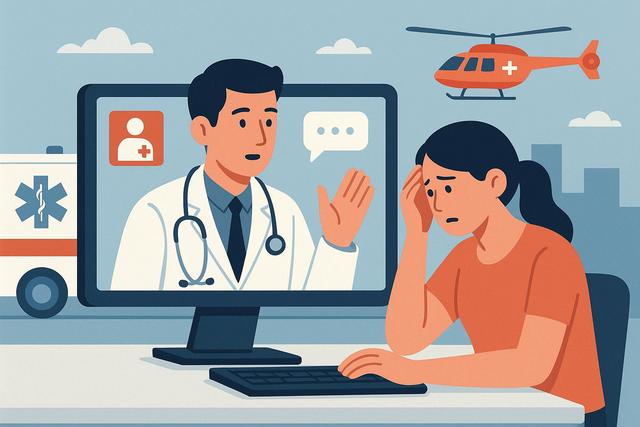
The landscape of emergency healthcare is rapidly transforming, thanks to the advent of telemedicine. As we step into 2025, telemedicine is becoming an indispensable tool in the arsenal of emergency healthcare professionals worldwide. This article delves into how telemedicine functions in emergency situations, providing detailed insights into its mechanism, advantages, challenges, and future potential.
Understanding Telemedicine in Emergency Care
Telemedicine refers to the delivery of healthcare services via digital platforms with the use of telecommunications technology. In the context of emergency care, it allows healthcare professionals to assess, diagnose, and manage patients remotely, thereby significantly improving the response time and efficiency of emergency services.
How Telemedicine Works in Emergencies
Emergency telemedicine solutions utilize advanced communication technologies such as high-speed internet, video conferencing tools, and mobile devices. Patients or first responders can connect with medical professionals through platforms like Teladoc Health, providing an interface for real-time consultations.
Step-by-step Process:
- Initiation of Contact: Patients or emergency responders initiate contact via a telemedicine platform.
- Digital Triage: Using specific protocols, digital triaging helps assess the severity of the situation.
- Virtual Examination: Utilizing video conferencing, doctors perform virtual examinations to assess the patient's condition.
- Consultation and Treatment: Healthcare professionals recommend immediate treatment or further tests and follow an action plan.
- Monitoring and Follow-Up: Continuous monitoring is facilitated through wearable devices and regular virtual check-ins.
Advantages of Telemedicine in Emergency Situations
Enhanced Accessibility
Telemedicine eliminates geographical barriers, allowing immediate access to medical expertise regardless of the patient’s location. This is particularly advantageous in rural areas or regions with limited access to medical facilities.
Improved Response Times
The ability to quickly connect with medical professionals ensures a faster response, which can be crucial in life-threatening emergencies. According to a study by the Centers for Disease Control and Prevention (CDC), timely intervention significantly improves patient outcomes in critical situations.
Cost-Effectiveness
Reducing unnecessary ambulance dispatches and hospital visits lowers healthcare costs. Furthermore, patients save on transportation costs and time.
Challenges and Considerations
Technological Limitations
Access to high-speed internet and reliable communication devices remain challenges, especially in underdeveloped regions.
Data Security
Ensuring patient privacy and secure handling of personal health information (PHI) is critical. Healthcare providers must comply with regulations such as the HIPAA Privacy Rule to protect data.
Training and Adaptation
Healthcare providers need adequate training to efficiently operate telemedicine technologies. Continuous education on evolving systems is necessary to maximize the benefits of telehealth services.
The Future of Telemedicine in Emergency Care
Integration with AI and IoT
Telemedicine platforms are increasingly integrating Artificial Intelligence (AI) and the Internet of Things (IoT). AI-driven diagnostics, along with IoT-enabled devices like smart wearables, provide real-time data that aid in comprehensive patient assessments.
Policy and Infrastructure Developments
Governments and healthcare institutions are recognizing the potential of telemedicine in emergency care. The creation of robust infrastructure and policy frameworks is crucial, as outlined by the World Health Organization (WHO).
Global Impact and Equity
Telemedicine offers a promising solution in the quest for equitable healthcare access worldwide. As technology becomes more affordable and accessible, its role in emergency care is set to expand further.
Conclusion and Actionable Takeaways
Telemedicine is revolutionizing emergency healthcare by enabling faster, more efficient responses and bridging the gap between patients and medical professionals. Stakeholders should emphasize on:
- Investing in robust telecommunication infrastructure and training programs.
- Addressing data security challenges with strong regulatory frameworks.
- Encouraging innovation in AI and IoT to enhance diagnostic and monitoring capabilities.
These strategic actions will not only enhance the effectiveness of emergency care through telemedicine but also foster a more resilient global healthcare system.

