The Impact of Sleep Deprivation on Mental Health
- 02/18/2026 05:11am
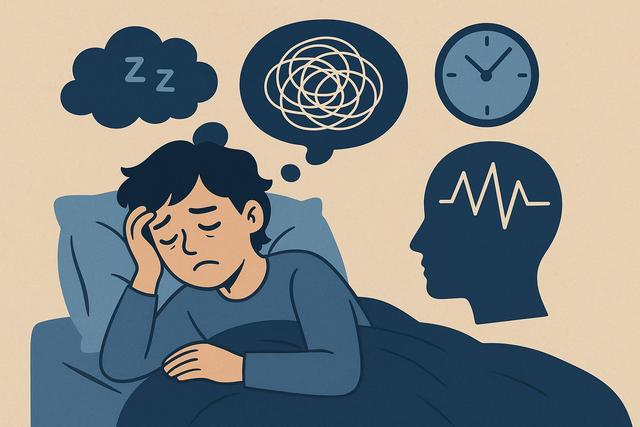
Sleep deprivation is a growing concern affecting the mental well-being of millions worldwide. With the chaotic pace of modern life, many people find themselves sacrificing sleep, unaware of its profound impact on mood, focus, and overall health. This guide explores the intricate relationship between sleep loss and mental health, offering insights, data, and actionable strategies to improve your overall well-being.
The Impact of Sleep Deprivation on Mental Health
Understanding Sleep Deprivation
Sleep deprivation occurs when an individual gets less sleep than necessary. The Centers for Disease Control and Prevention (CDC) suggests that adults need at least 7 hours of sleep per night for optimal health and well-being source.
Causes of Sleep Deprivation
- Lifestyle Choices: Busy schedules and prioritization of activities over sleep.
- Disorders: Insomnia, sleep apnea, and other conditions that hinder quality sleep source.
- Environmental Factors: Light and noise pollution can disrupt sleep cycles.
The Mental Health Consequences of Sleep Loss
Impact on Mood
One of the most immediate effects of sleep deprivation is mood alteration. Lack of sleep is linked to irritability and heightened emotional sensitivity. Research from Harvard Medical School indicates that sleep loss can worsen mood disorders, such as depression and anxiety source.
Cognitive Function and Sleep Deprivation
Sleep is crucial for cognitive function, influencing how well individuals can concentrate and process information.
Focus and Attention
Sleep deprivation impairs attention and working memory, which can affect daily tasks and decision-making processes source.
Risk of Mental Illness
Chronic sleep deprivation poses a risk for several mental illnesses, as long-term lack of rest affects neurotransmitter regulation and brain health. Evidence links inadequate sleep with increased risks of conditions like bipolar disorder and schizophrenia.
Solutions and Mitigating Strategies
Improving Sleep Hygiene
Creating better sleep habits is crucial. Here are actionable steps:
- Establish a Routine: Go to bed and wake up at the same time every day, even on weekends.
- Optimize Your Bedroom: Ensure a quiet, dark, and cool environment.
- Digital Detox: Limit screen time at least an hour before bed to reduce blue light exposure.
Professional Help
Seek assistance from healthcare professionals if sleep issues persist. Cognitive behavioral therapy (CBT) has been shown to be effective for chronic insomnia source.
Conclusion: The Path Forward
The interplay between sleep deprivation and mental health highlights the necessity of prioritizing sleep. Ensuring adequate rest can significantly boost mental resilience and overall health, leading to improved quality of life.
Incorporating these strategies creates a foundation for better sleep habits, fostering both physical and mental health improvement. Assess your sleep patterns today and take the necessary steps to enhance your rest and reap the profound benefits for your mental and physical well-being.

