The Link Between Mental Health and Physical Health
- 03/28/2025 11:12am
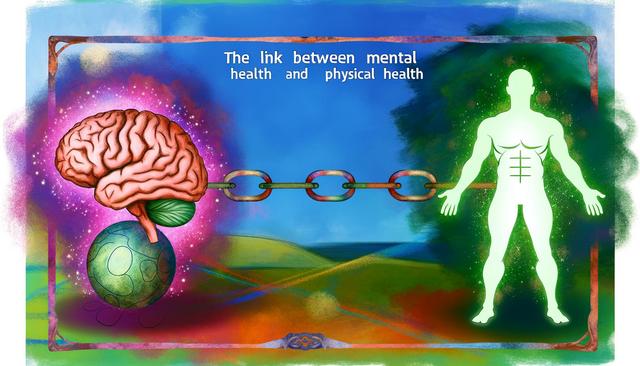
Exploring the intricate connection between mental health and physical health is paramount in a world increasingly aware of the importance of holistic well-being. This guide delves into how mental well-being intricately influences physical health, supported by detailed analysis, studies, and actionable insights.
Understanding the Connection Between Mental and Physical Health
In recent years, it has become increasingly evident that mental health and physical health are deeply interlinked. The interaction between these two aspects of health showcases the importance of a holistic approach to wellness. Several studies suggest that mental health disorders can lead to physical health complications, and vice versa.
Bi-Directional Relationship
The relationship between mental and physical health is bidirectional. Mental health problems such as depression, anxiety, and stress are known to weaken the immune system and exacerbate physical health issues. Conversely, chronic physical diseases like heart disease and diabetes can contribute to the development of mental health conditions by affecting biological processes and reducing quality of life.
Influential Factors
Stress: Chronic stress can lead to high blood pressure, heart disease, obesity, and diabetes. Stress management techniques such as mindfulness or yoga can help mitigate these risks.
Brain-Body Communication: The brain communicates with the body via neurotransmitters and hormones. Dysregulated levels can lead to both mental and physical ailments.
The Science Behind the Connection
Neurotransmitters and Hormones
Neurotransmitters like serotonin and dopamine play an essential role in both mental well-being and physical health. For instance, low levels of serotonin are associated with depression and can also impact the digestive system source.
The Immune System
Mental health issues can trigger an inflammatory response, resulting in numerous physical health problems. Inflammation is a shared trait of many chronic illnesses which can also affect mental health.
How Mental Health Affects Physical Health
Cardiovascular Health
Depression and anxiety can significantly increase the risk of developing heart disease. This is partly because these mental health conditions are associated with behaviors that adversely affect cardiac health, such as smoking, poor diet, and lack of exercise Harvard Health.
Gastrointestinal Health
Studies have shown a clear link between mental health disorders and gastrointestinal conditions like irritable bowel syndrome (IBS) and chronic constipation. The gut-brain axis is a complex communication network that is influenced by mental health.
Physical Health's Impact on Mental Health
Chronic Illness
Living with chronic illnesses not only challenges physical capabilities but can also significantly affect one's mental state. For example, individuals with diabetes often experience high levels of stress or depression.
Physical Activity
Regular exercise is shown to reduce symptoms of depression and anxiety. Physical activity stimulates the production of endorphins—natural mood lifters.
Practical Strategies for Integrated Health
Holistic Health Approaches
Integrated Therapies: Combining mental health treatment with physical therapy can be more effective. Cognitive Behavioral Therapy (CBT) coupled with physical workouts, for instance, can address both mental and physical health.
Nutrition: A balanced diet influences serotonin levels, thereby improving both mood and physical well-being. Foods high in omega-3 fatty acids, vitamins, and minerals are beneficial.
Regular Screenings and Check-Ups
Regular health screenings help identify both physical and mental health issues early, allowing for timely intervention.
Actionable Takeaways
- Foster a connection between mental and physical health through regular exercise and a balanced diet.
- Utilize stress management techniques like yoga or meditation to enhance overall well-being.
- Regularly consult healthcare professionals for comprehensive health screenings to catch issues early on.
- Consider a holistic health approach, integrating therapies that address both mental and physical health aspects.
Conclusion
Understanding the link between mental health and physical health is crucial for promoting overall wellness. Acknowledging this connection allows for more robust preventive measures and treatment plans, ultimately enhancing quality of life World Health Organization.

