The Role of Blockchain in Telemedicine Security
- 05/07/2025 09:11am
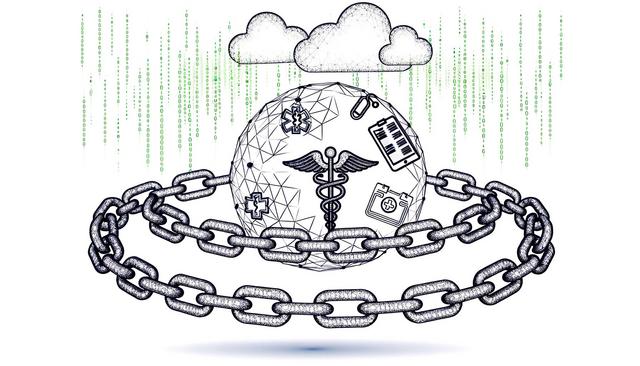
In the ever-evolving landscape of digital healthcare, telemedicine has emerged as a revolutionary approach to delivering medical services. However, with the convenience of online consultations and data sharing comes the critical need for robust security measures. Blockchain technology, renowned for its decentralized and tamper-proof nature, offers a promising solution to the security challenges in telemedicine. This article delves into how blockchain enhances data security in telemedicine, ensuring that patient information remains confidential and protected.
The Fundamentals of Blockchain Technology
Blockchain technology functions as a decentralized ledger, providing a secure and transparent method of recording transactions. Each block in the chain is linked to the previous one, forming a chronological order that is virtually tamper-proof. This inherent security feature makes blockchain an ideal candidate for managing sensitive data, such as healthcare records.
Blockchain's Benefits in Data Security
- Decentralization: Data is stored across multiple nodes, reducing the risk of data breaches.
- Immutability: Once data is recorded, it cannot be altered, ensuring data integrity.
- Transparency: All transactions are recorded in a shared ledger, which enhances trust among stakeholders.
The Importance of Telemedicine Security
As telemedicine usage continues to grow, so does the risk of cyber threats. Medical records are prime targets for hackers due to their sensitive nature and high market value. Ensuring secure storage and transmission of medical data is crucial for maintaining patient trust and complying with regulations.
Regulatory Requirements in Healthcare
Healthcare providers must adhere to stringent regulations such as the Health Insurance Portability and Accountability Act (HIPAA) in the U.S. to protect patient information. These regulations demand robust data protection measures, which blockchain technology can fulfill effectively.
How Blockchain Enhances Telemedicine Security
Blockchain can significantly improve telemedicine security by offering a decentralized platform for storing and sharing medical records. Here are some specific ways blockchain contributes:
Secure Access and Data Sharing
Through blockchain's secure access protocols, healthcare providers and patients can safely share medical information. This enhances continuity of care without compromising data security.
Patient Consent and Data Ownership
Blockchain enables patients to have control over their data, allowing them to grant or revoke access to healthcare providers as needed. This ensures that patients own their medical data and can track its usage.
Case Studies Demonstrating Blockchain in Action
Estonia's Digital Health System: Estonia utilizes blockchain to secure its citizens' health records, making it a pioneer in integrating blockchain with healthcare. This system ensures data integrity and security, minimizing the risk of breaches.
MIT's MedRec: MIT's MedRec is a decentralized record management system that uses blockchain to enhance healthcare data interoperability and security. This project exemplifies blockchain's potential in securing telemedicine data.
Challenges and Considerations
While blockchain offers numerous benefits for telemedicine security, there are challenges to consider:
Scalability and Speed
Current blockchain systems can be slow and may not handle the high volume of transactions in a healthcare setting efficiently. Ongoing research aims to address these scalability issues.
Integration with Existing Systems
Seamless integration of blockchain with existing healthcare infrastructure can be complex. Collaboration between blockchain developers and healthcare providers is critical to overcoming these hurdles.
Actionable Insights for Implementing Blockchain
Healthcare providers considering blockchain implementation should focus on:
- Conducting thorough feasibility studies to understand the potential impact of blockchain on their operations.
- Engaging experts in blockchain technology for tailored solutions that fit their specific needs.
- Investing in staff training to ensure smooth adoption and operation.
Conclusion: The Future of Blockchain in Telemedicine
Blockchain represents a powerful tool in enhancing telemedicine security, with the potential to revolutionize how we store, access, and share medical data. Although there are challenges to be addressed, the benefits of blockchain's transparency, security, and user empowerment are undeniable. As healthcare providers continue to explore blockchain solutions, a future where telemedicine is both secure and efficient seems increasingly realistic.

