Top Minimally Invasive Surgery Options in 2025
- 09/29/2025 09:11am
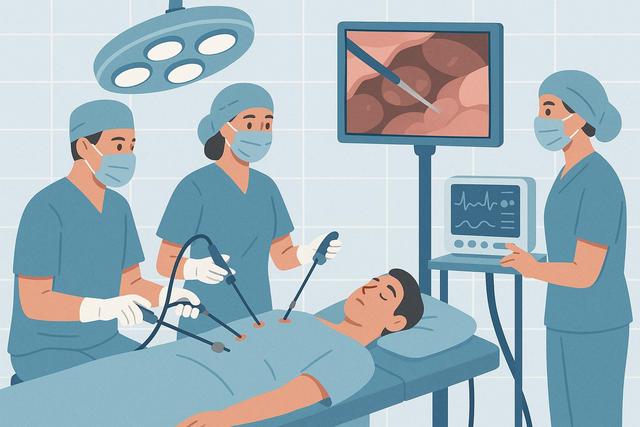
Minimally invasive surgery (MIS) continues to revolutionize the medical field with its promise of reduced recovery times, lower risks, and improved patient outcomes. As we look toward 2025, advancements in surgical techniques promise even greater benefits. This guide explores the top minimally invasive surgical options set to dominate healthcare, offering patients and practitioners valuable insights into the future of surgery.
Understanding Minimally Invasive Surgery
Minimally invasive surgery, often referred to as MIS, involves techniques that limit the size and number of incisions needed during a surgical procedure. This approach contrasts with traditional open surgeries that require larger cuts. The benefits of MIS include quicker recovery times, reduced pain and scarring, and shorter hospital stays.
The Evolution of Minimally Invasive Techniques
Innovation in medical technology has propelled minimally invasive techniques forward. From laparoscopic surgery, which used small incisions and cameras, to robotic-assisted procedures like those utilizing the da Vinci Surgical System, MIS has consistently brought advancements to healthcare.
Top Minimally Invasive Surgery Options in 2025
1. Robotic-Assisted Surgery
Robotic-assisted surgeries offer high precision due to enhanced visualization and control. These systems, such as the da Vinci Surgical System, are expected to become more affordable and accessible, making them a staple in modern operating rooms by 2025. They are particularly effective in complex surgeries, like prostatectomies and cardiac valve repairs.
2. Natural Orifice Transluminal Endoscopic Surgery (NOTES)
By utilizing natural orifices, this method eliminates external scarring altogether. NOTES is anticipated to handle a wider range of procedures as technology advances, reducing discomfort and recovery time even further. According to a study published in the Journal of Healthcare Management, NOTES has shown promising results in gastroenterological surgeries.
3. Single-Incision Laparoscopic Surgery (SILS)
SILS uses a single incision point, often hidden within the navel, significantly minimizing visible scars. This technique provides cosmetic and recovery benefits, making it particularly popular for gallbladder and hernia surgeries.
4. Endoscopic Submucosal Dissection (ESD)
Primarily used in gastrointestinal settings, ESD allows for the resection of tumor tissue with minimal impact on surrounding healthy tissue. Its precision is enhanced by advancements in endoscopic equipment projected by 2025.
5. Microwave Ablation Therapy
Microwave ablation offers a non-surgical option for treating conditions like liver and lung cancers by using heat to destroy diseased tissue. As research from the National Center for Biotechnology Information suggests, its role is expected to expand significantly.
Benefits and Considerations
The core benefits of MIS include faster recovery, less postoperative pain, and reduced risk of infections. However, not all patients may be candidates for these procedures. Factors such as the patient's health condition and the specific medical circumstances should be evaluated by healthcare professionals to determine the suitability of MIS.
Conclusion: The Future of Surgery
As we look to the future, minimally invasive surgery is poised to become the norm rather than the exception in surgical practice. With ongoing refinements in technology and technique, 2025 will likely witness major breakthroughs that make these advanced procedures more common and accessible worldwide. For patients, this evolution promises safer, quicker recoveries and better overall healthcare experiences.
In conclusion, patients and medical professionals should remain informed about the latest advancements in surgical technology. Those interested in minimally invasive options should consult with healthcare providers to understand the benefits and risks associated with these cutting-edge procedures, ensuring that decisions are based on the most current, evidence-based information.
Actionable Takeaways
- Stay informed about the latest surgical technologies and advancements.
- Consult with healthcare professionals to determine the best surgical options.
- Consider emerging minimally invasive methods for better recovery outcomes.

