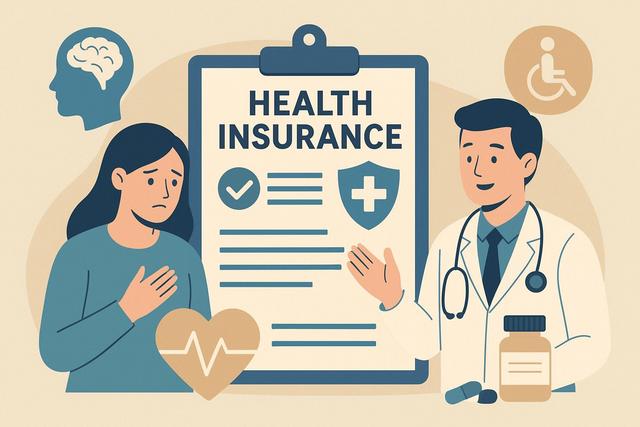
Navigating health insurance can be daunting, especially for individuals with pre-existing conditions. Understanding the options and limitations can empower you to make informed decisions and ensure that you have the right coverage for your health needs. This guide aims to clarify the complexities of health insurance for pre-existing conditions, offering strategic insights and actionable advice.
Understanding Health Insurance for Pre-existing Conditions
What are Pre-existing Conditions?
Pre-existing conditions are health issues that existed before the start of a new health insurance policy. These can range from chronic diseases like diabetes and heart disease to previous injuries or diagnosed mental health conditions. Modern healthcare markets recognize the importance of covering these conditions, yet the process can still be complex and varies between insurance providers.
Health insurance companies traditionally saw these conditions as a financial risk, fearing rising medical expenses. Therefore, it's crucial to understand how these can impact your insurance coverage options and terms.
Real-world Example
Consider John, diagnosed with asthma at 15. If he applies for a new health insurance plan, asthma would be flagged as a pre-existing condition. This could previously result in either denial of coverage or increased premium rates, but recent policies have evolved to mitigate such consequences.
Current Legislation and Coverage Options
In the United States, the Patient Protection and Affordable Care Act (ACA) changed the landscape of insurance for pre-existing conditions. It mandates that insurance companies cannot deny coverage or charge higher premiums due to pre-existing conditions. This ensures that all individuals have access to necessary healthcare services without discriminatory pricing.
However, it's prudent to check this information against current regulatory changes if you are accessing this article beyond its publish date, as legislation can evolve.
Key Points of the ACA
- No denial of coverage based on pre-existing conditions.
- Equal pricing for individuals with and without pre-existing conditions.
- Essential health benefits must be covered under standard policy provisions.
How to Choose the Best Insurance Plan
With numerous insurance plans available, finding the right one for someone with a pre-existing condition can be tricky. Here’s a strategy you can follow:
Evaluate Your Health Needs
Start by assessing your health needs based on the status of your pre-existing condition. Consider questions like:
- How often do you require medical care?
- Which medications are essential for you?
- Do your current health conditions necessitate visiting specialists?
- Are there specific treatments or surgeries anticipated?
Compare Insurance Plans
Use comparison tools available online, like those offered by healthcare.gov or private providers, comparing the following aspects:
| Feature | Plan A | Plan B | Plan C |
|---|---|---|---|
| Premium Costs | $500 | $450 | $530 |
| Deductibles | $1,200 | $1,500 | $1,100 |
| Specialist Visits | Covered | Limited | Covered |
| Out-of-Pocket Max | $6,850 | $7,000 | $6,300 |
Seek Expert Advice
Consult insurance brokers or healthcare advisors as they can provide personalized insights and help in translating complex policy details into simpler terms.
Common Misconceptions and Risks
Despite exhaustive research, misconceptions about coverage for pre-existing conditions persist.
Misconceptions to Avoid
- Myth: Pre-existing Conditions Are Always Expensive: This is less true post-ACA. While costs can vary, many plans offer financially accessible coverage.
- Myth: You Must Wait for Coverage: Continuous Coverage Rule generally prevents waiting periods for new policyholders transferring coverage.
Potential Risks
- Limited Network Options: Some plans might limit the network of doctors available.
- Out-of-Pocket Surprises: Watch out for high deductibles or co-insurance costs not immediately evident in the initial plan overview.
Additional Resources and Tools
- Healthcare.gov
- Insurance Provider Websites: Check major providers such as Blue Cross Blue Shield or United Healthcare
- State Insurance Departments: They often have consumer guides and comparison tools.
FAQs
1. Can health insurance companies deny me if I have a pre-existing condition?
Thanks to the ACA, health insurance companies cannot deny coverage based on pre-existing conditions.
2. Are premiums higher if I have a pre-existing condition?
The ACA prohibits increased premiums solely due to pre-existing conditions; however, premiums can vary based on age, location, and plan type.
3. Can I get coverage for a family member with a pre-existing condition?
Yes, family members with pre-existing conditions are covered equally under family plans.
Conclusion
Choosing health insurance with a pre-existing condition can feel complex, but is manageable by understanding the current laws and regulations. Consistent review, a clear assessment of healthcare needs, and comparing plans meticulously can aid in selecting the most beneficial insurance coverage. Engaging knowledgeable professionals further aids in navigating these complicated waters. As healthcare regulations evolve, staying informed remains critical for maintaining robust coverage.
Implementation Steps:
- Assess personal and familial health needs.
- Gather the latest information on health insurance legislation.
- Use online comparison tools for a side-by-side evaluation of plans.
- Consider consulting health insurance professionals for personalized guidance.

