Comprehensive Guide to Short Term Health Insurance Plans
- 08/26/2026 05:11am
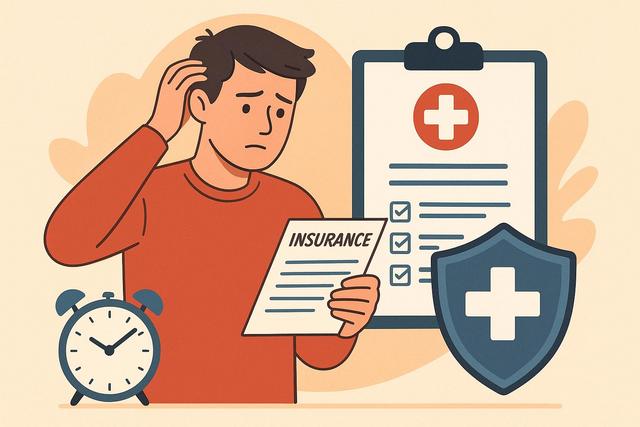
Short term health insurance plans offer temporary coverage to individuals who need immediate healthcare options, typically for a few months. Whether awaiting permanent coverage, transitioning between jobs, or experiencing other gaps, understanding these plans is crucial. This guide delves deeply into what short term health insurance encompasses, how it works, and the potential benefits for consumers seeking versatile coverage solutions.
Understanding Short Term Health Insurance Plans
Short term health insurance plans are designed to provide limited-duration coverage, often ranging from a month to a year, which can be an appealing choice for those needing immediate healthcare coverage. These plans typically cover emergencies, hospital stays, and some preventative care but may not cover all health services. Unlike traditional health insurance under the ACA, short term plans aren't mandated to cover essential health benefits comprehensively.
Key Features
Several features differentiate short term health insurance from more comprehensive plans:
- Duration Flexibility: Coverage can last from 30 days up to a year, depending on the state's regulations.
- Lower Premiums: Generally, premiums are lower compared to ACA-compliant plans since the coverage is less comprehensive.
- Quick Enrollment: Enrollment is typically fast, with plans taking effect in a matter of days.
Examples and Real-World Application
Consider an individual who just finished college and is entering the workforce but awaits employer-sponsored coverage. Opting for a short term health plan could bridge the gap until the new coverage begins, providing peace of mind and financial protection against unforeseen medical expenses.
Benefits of Choosing Short Term Health Insurance
The primary benefits of short term health insurance plans revolve around affordability and accessibility.
Affordability
Short term health plans generally feature lower premiums than comprehensive ACA-compliant plans. This affordability makes them particularly attractive to:
- Young Adults: Those starting their careers with limited budgets
- Part-time Employees: Workers not covered by employer health plans
Accessibility
Enrollment in short term plans is not restricted to open enrollment periods, allowing more flexibility in timing.
- Immediate Coverage: Beneficial for individuals who need quick access to insurance
- Coverage Gaps: Useful for individuals experiencing life transitions like job changes or relocations
Critically Analyzing Short Term Health Insurance
While short term plans offer certain benefits, there are limits and potential risks associated with them.
Coverage Gaps
Short term insurance often lacks:
- Essential Health Benefits: Such as maternity care, mental health services, and prescription drugs
- Protection Against Pre-existing Conditions: May deny coverage or increase premiums based on medical history
State Regulations and Variability
Policies vary significantly between states. For instance, some states have limitations on the duration of the plan, such as California, which virtually prohibits them. It's crucial to understand local regulations before purchasing.
Making an Informed Decision
When considering a short term health plan, it's vital to conduct thorough research and compare available options:
Choosing the Right Plan
- Assess your health needs and any potential medical expenses
- Compare premiums, deductibles, and maximum out-of-pocket expenses across different providers
- Review exclusions and limitations to ensure essential services aren't omitted
Using Comparison Tables
Creating a comparison table can simplify decision-making:
| Feature | Plan A | Plan B |
|---|---|---|
| Premium | $100/mo | $150/mo |
| Deductible | $1,000 | $500 |
| Length | 6 months | 9 months |
Common Mistakes to Avoid
Ignoring Exclusions
Failing to read the fine print can lead to unexpected expenses. Always verify what services are excluded from coverage.
Overlooking Renewal Options
Some short term policies may not be renewable, potentially leading to gaps in coverage.
Conclusion and Recommendations
To sum up, short term health insurance plans provide a pragmatic solution for individuals facing temporary gaps in healthcare coverage. Future policyholders should weigh both the pros and cons, focusing on affordability and the scope of coverage.
- Thoroughly compare options
- Understand state-specific regulations
- Be clear on the limitations to avoid unexpected surprises
Implementing these strategies will help individuals choose the most effective plan that aligns with their specific needs during transitional periods.
FAQ
What is the primary purpose of short term health insurance?
Short term health insurance is intended to provide temporary coverage for individuals who find themselves without regular health insurance, often due to life transitions or changes.
Are short term health plans ACA-compliant?
No, these plans are not required to meet ACA standards, meaning they do not always cover the full spectrum of essential health benefits.
Can I renew a short term health insurance plan?
Renewal policies vary. Some plans allow renewals, while others are non-renewable, potentially leading to coverage gaps.
Is short term health insurance suitable for someone with chronic conditions?
Typically, short term plans are unsuitable for those requiring regular medical care due to limited comprehensive coverage, especially for pre-existing conditions.

