Understanding Social Isolation and Its Impact on Mental Decline
- 03/02/2026 05:11am
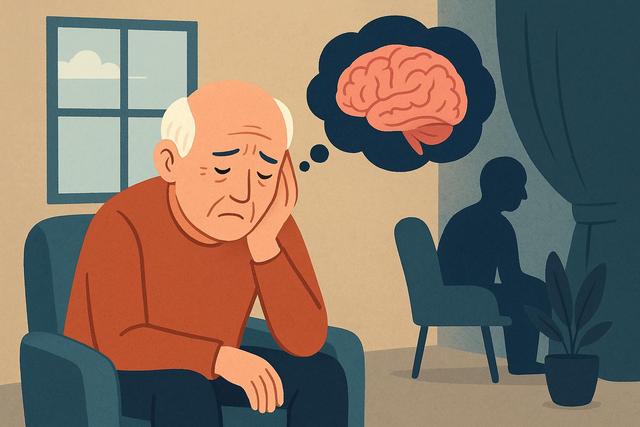
Social isolation is a growing concern in today's society, impacting mental health on a deep level. This article explores how isolation can accelerate cognitive and emotional decline, examining real-world examples, critical data points, and offering actionable strategies to mitigate these effects.
The Connection Between Social Isolation and Cognitive Decline
Social isolation is a significant factor contributing to cognitive decline. It creates an environment where individuals lack engagement with diverse ideas and perspectives, which are essential for maintaining brain health. Studies have shown that isolation can lead to a reduction in neuron activity in the brain, ultimately affecting cognitive functions.
Real-World Examples and Studies
According to a study by The Lancet, older adults experiencing social isolation had a 26% increased risk of developing dementia compared to those with robust social networks. This statistic underscores the importance of social interaction in preserving cognitive health. Another study from Harvard Health corroborated these findings, demonstrating that loneliness could contribute to cognitive issues akin to physical inactivity or high blood pressure.
Strategic Insights to Combat Cognitive Decline
To mitigate these impacts, individuals should engage in community activities and foster communication through digital platforms. Strategic initiatives like joining clubs or volunteer groups could bolster social interactions. Encouraging seniors to participate in virtual reality programs that simulate engaging environments can also offer a partial remedy.
Emotional Repercussions of Isolation
Emotional decline is another serious consequence of social isolation. Isolation can exacerbate stress, reduce happiness, and contribute to severe stress-related conditions like depression and anxiety.
Case Studies on Emotional Health
A study by the American Psychological Association found that isolation not only doubled the risk of depression in adults under 65 but also significantly increased anxiety disorders. Case studies reveal individuals who, after experiencing prolonged loneliness, displayed heightened stress responses and reduced emotional resilience.
Actionable Strategies for Emotional Wellness
Regular online counseling sessions and support groups can serve as lifelines for those grappling with emotional challenges due to isolation. Tools such as BetterHelp provide access to remote therapy which can be crucial for those who are physically isolated.Encouraging self-care practices and mindfulness can further aid emotional well-being.
Social Isolation: An Economic Perspective
Apart from personal health impacts, social isolation carries substantial economic implications. The lack of social interaction among the workforce not only affects mental health but also reduces productivity.
Data Points on Economic Impact
The World Health Organization (WHO) estimates the productivity loss worldwide due to mental health conditions, exacerbated by isolation, at approximately $1 trillion annually. This figure illustrates the broader impacts of social isolation beyond personal health, touching on national economic health.
Insights for Economic Strategy
Businesses can play a fundamental role in tackling isolation by promoting inclusive workplaces. Implementing work-from-home policies that still encourage regular digital check-ins and social interactions can sustain team dynamics. Companies might also invest in virtual team-building activities to foster a sense of belonging among remote workers.
Societal Solutions and Community Efforts
To address isolation effectively, community-driven solutions are essential. This involves bolstering public awareness and increasing access to social resources.
Examples of Community Initiatives
Several communities have instigated programs like ‘social prescriptions’, where general practitioners prescribe participation in social activities as part of healthcare treatments. The UK’s National Health Service has been a pioneer in this approach.
Implementation Steps for Community Engagement
Communities should consider developing more inclusive public spaces that encourage safe socializing and interaction. Encouraging collaborations with local organizations to host frequent community events can also enhance social connections.
Technology's Role in Reducing Isolation
While technology can contribute to a sense of detachment, it has also become a vital tool in combating social isolation. It facilitates connections over distances and offers new, innovative ways of interaction.
Case Studies on Tech Implementations
Platforms like Zoom and Slack have transformed communications and provided avenues for social engagement, even in remote settings. Case studies from these platforms indicate increased employee engagement and improved mental health outcomes.
Strategic Steps to Leverage Technology
Incorporating technology usage training programs for seniors could bridge the gap they face in digital communication. Encouraging family members of isolated individuals to set up regular calls can foster connections, ensuring ongoing engagement.
Critical Perspectives and Future Directions
Despite the tools available to mitigate isolation, it remains a complex issue that requires nuanced approaches.
Evaluating Current Solutions
While community and technology interventions have shown promise, not all solutions are universally effective. It’s crucial to evaluate and adapt strategies to fit diverse demographics and individual needs.
Looking Ahead: Innovations and Research
Future research must focus on long-term impacts of strategic interventions on isolation and mental health. Additionally, innovative solutions should explore more personalized approaches that combine technology, community engagement, and healthcare.
Conclusion
Social isolation is a multidimensional issue with profound impacts on mental health, cognitive decline, and societal well-being. By understanding its consequences and implementing targeted strategies, from technology adoption to community programs, we can mitigate its detrimental effects. Moving forward, a collaborative and adaptive approach will be pivotal in ensuring the mental well-being and connectedness of individuals in an increasingly disconnected world.

