Best Health Insurance for Self-Employed Workers
- 06/12/2026 05:11am
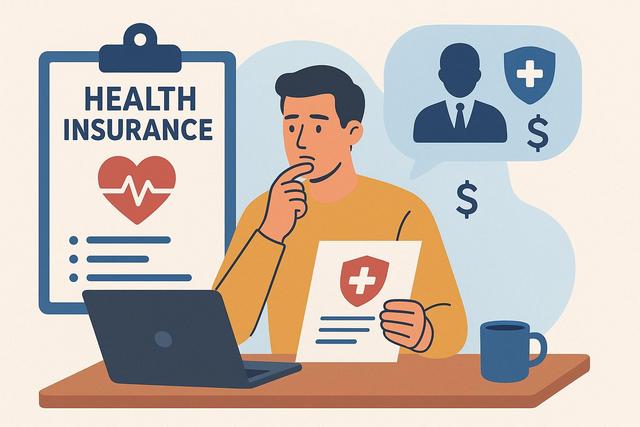
Navigating health insurance can be challenging for self-employed individuals. With the right guidance, you can find a plan that caters to your specific needs while providing sufficient coverage and is cost-effective. This strategic guide will explore the best health insurance options available, outline actionable steps, and address common misconceptions.
Understanding Health Insurance Needs
For self-employed workers, securing appropriate health insurance is crucial. Unlike traditional employees, self-employed individuals can't rely on an employer-sponsored plan. Instead, they must assess their health insurance needs independently.
Personalized Coverage Needs
Individual health circumstances greatly influence insurance needs. For example, if you have chronic health conditions, higher coverage plans may be essential. Conversely, if you're young and healthy, you may opt for plans with lower premiums but higher deductibles.
Actionable Insight: Evaluate your medical history and predict future health needs. Tools like HealthCare.gov can offer personalized plan comparisons.
Comparing Coverage Costs
Self-employed individuals should consider not just premiums but also deductibles, copayments, and out-of-pocket maximums. These factors collectively determine the real cost of your healthcare over time.
- Premiums: Regular payments to maintain your insurance.
- Deductibles: Amount paid out-of-pocket before insurance kicks in.
- Copayments/Coinsurance: Shared costs after the deductible is met.
- Out-of-Pocket Maximum: The ceiling on what you pay in a year, offering financial security against catastrophic health expenses.
Exploring Insurance Options
Various health insurance options cater to the self-employed, each with its merits and demerits. We’ll explore a few popular ones in detail.
Marketplace Insurance Plans
The Affordable Care Act (ACA) provides marketplace plans tailored for individuals, including tax credits to reduce costs based on income levels. Different tiers (Bronze, Silver, Gold, Platinum) offer incremental coverage levels, with Bronze generally being the lowest cost but higher out-of-pocket expenses.
Case Study: Many self-employed tech freelancers have found ACA Silver plans ideal, balancing monthly premium costs with comprehensive coverage.
Health Savings Accounts (HSAs)
Pairing a high-deductible health plan (HDHP) with an HSA allows you to save money tax-free for future medical expenses. This option is beneficial for those with infrequent medical needs but who desire tax advantages.
Association Health Plans (AHPs)
By joining professional associations, self-employed individuals can access group health plans. These can offer more favorable terms similar to employer-sponsored plans.
Example: Freelancers Union offers access to comprehensive health insurance plans tailored for independent contractors.
Evaluating Plan Features
Network Restrictions
Understand if the plan has network restrictions, affecting which doctors or hospitals you can use without incurring additional costs.
Pro Tip: Plan networks can significantly impact your health care flexibility. Plans with broader networks tend to cost more but offer more choice.
Coverage of Services
From mental health coverage to maternity care, examine whether plans meet all potential health service requirements.
- Behavioral health
- Prescription drugs
- Preventive services
Critical Insight: Some plans might not cover non-essential services, like wellness programs, which could be a deciding factor if these are important to you.
Common Mistakes and Risks
Overestimating Coverage
A common pitfall is selecting a minimal plan thinking it covers more than it does. Always scrutinize what the policy doesn't cover.
Ignoring the Fine Print
Plans come with terms that may impact services, such as geographical restrictions or special conditions for existing ailments.
Tax Implications Misunderstanding
Not understanding tax implications, like deductions for premiums, can lead to missed savings opportunities.
Recommendation: Consult a tax professional to maximize your health insurance deductions and credits.
Frequently Asked Questions
Can self-employed workers deduct health insurance premiums?
Yes, premiums can often be deducted from your income taxes, lowering taxable income.
What if my income is too high for subsidies?
Explore private plans or talk to a broker about tailored options beyond government marketplaces.
How soon can I switch plans if my needs change?
Annual enrollment allows changes once per year, or life event changes may provide special enrollment opportunities.
Conclusion: Steps to Secure Your Insurance
In conclusion, the best health insurance for self-employed individuals depends on personal health needs, financial capacity, and available options. To secure the right plan:
- Assess your health requirements and financial capacity.
- Compare different insurance options considering premiums, deductibles, and coverage.
- Use online tools for plan comparisons based on location and health needs.
- Avoid common pitfalls like overestimating coverage or ignoring plan limitations.
- Consider professional advice for maximizing tax benefits related to health insurance.
By following these guidelines, self-employed workers can find a plan that provides peace of mind and financial protection.

