Effective Non-Medication Treatments for Anxiety
- 06/27/2026 05:11am
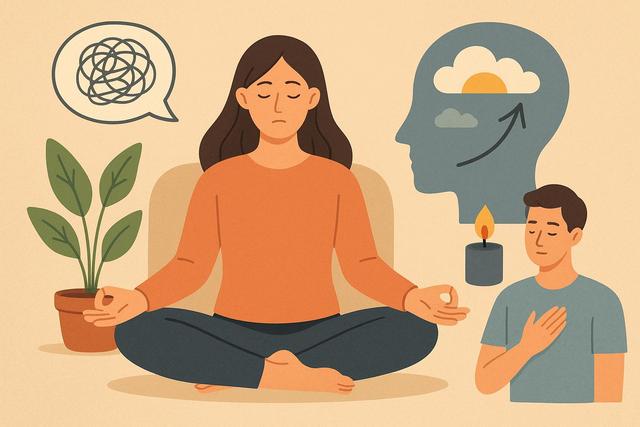
Anxiety disorders are among the most prevalent mental health conditions affecting individuals worldwide. While medication is commonly prescribed, many people seek alternative solutions to manage anxiety effectively without relying on pharmaceuticals. This guide explores various non-medication treatments for anxiety, providing practical insights and actionable strategies that individuals can adopt for improved mental health.
Understanding Anxiety and Its Challenges
Anxiety disorders encompass a range of mental health issues characterized by persistent feelings of worry and fear. These disorders can significantly impact daily life, making it essential to explore effective treatment options. Understanding anxiety's root causes is crucial for choosing the best course of action, whether it's cognitive-behavioral strategies, lifestyle adjustments, or alternative therapies.
Cognitive-Behavioral Therapy: A Strategic Approach
Cognitive-behavioral therapy (CBT) is a widely recognized psychological treatment for anxiety. This method involves identifying and challenging negative thought patterns while gradually confronting fears through exposure techniques. For example, a person with social anxiety might work on progressively engaging in more social activities, supported by a CBT-trained therapist. Research suggests that CBT can reduce anxiety symptoms significantly, with enduring results.
Mindfulness and Meditation Practices
Mindfulness practices emphasize being present in the moment, a key tactic for managing anxiety. Techniques such as meditation, deep breathing exercises, and progressive muscle relaxation can lower stress levels. For instance, the "5-4-3-2-1 grounding exercise" helps redirect focus from anxious thoughts to the current environment by identifying five things you see, four you can touch, three you hear, two you can smell, and one you can taste.
Real-World Example: Mindfulness in Daily Life
A study published in the Journal of Clinical Psychology found that practicing mindfulness for just a few minutes each day can significantly decrease anxiety levels. Participants who incorporated daily mindfulness exercises reported improved emotional regulation and reduced stress.
Lifestyle Changes and Their Impact
Incorporating healthy lifestyle habits is another effective strategy for managing anxiety without medication. Key changes include maintaining a balanced diet, engaging in regular physical exercise, and ensuring adequate sleep.
Exercise and Anxiety Reduction
Exercise boosts endorphins, the body's natural mood elevators, and can be an excellent way to alleviate anxiety. Activities such as yoga, running, or even walking for 30 minutes a day can make a substantial difference. For example, yoga not only improves physical health but also encourages mental relaxation through focused breathing and meditative postures.
Natural Remedies and Supplements
Herbal supplements are also popular for managing anxiety. Substances like chamomile, valerian root, and lavender have calming properties. However, it's essential to consult with a healthcare provider before starting any supplement regimen, as interactions with other medications or conditions may occur.
The Role of Chamomile in Anxiety Management
According to a study by the University of Pennsylvania, chamomile supplements can modestly decrease anxiety symptoms in mild to moderate cases. However, users should be aware of the potential for mild side effects such as allergic reactions, particularly in those allergic to similar plants like ragweed.
Mistakes to Avoid: Common Pitfalls and Misconceptions
While exploring non-medication treatments, individuals often make several common mistakes. These include inconsistent practice of techniques like meditation or misunderstanding the immediate effectiveness of natural remedies. It's crucial to approach these treatments with a commitment to persist and carefully follow guidance from mental health professionals.
Conclusion: Your Strategy for Managing Anxiety Non-Medically
Implementing non-medication treatments for anxiety requires dedication and a willingness to explore various strategies. Begin by considering which techniques resonate with you personally, such as starting with CBT or introducing mindfulness practices into your daily routine. Remember, it's important to set realistic expectations and seek support where necessary. With persistence, many individuals find significant relief and can live more balanced, fulfilling lives without relying on medication.
FAQs
Is Cognitive-Behavioral Therapy effective for all types of anxiety?
CBT is highly effective for various anxiety disorders, including general anxiety disorder and social anxiety. However, its success can vary, and it's often most beneficial when personalized to individual needs.
How quickly can I expect results from mindfulness practices?
While some individuals report immediate relaxation benefits, significant improvements typically require consistent practice over several weeks or months.
Are there any risks associated with natural supplements for anxiety?
Yes, natural supplements can interact with other medications and may cause allergic reactions. Always consult with a healthcare provider before beginning any new supplement.
Can exercise alone cure anxiety?
While exercise is a powerful tool for reducing symptoms of anxiety, it is rarely a standalone cure. It's most effective when combined with other treatments like therapy and lifestyle changes.
Should I ever reconsider medication as an option?
For some individuals, especially those with severe anxiety, medication alongside other therapies may be necessary. Consulting with a healthcare provider can help evaluate the best treatment plan for your specific condition.

