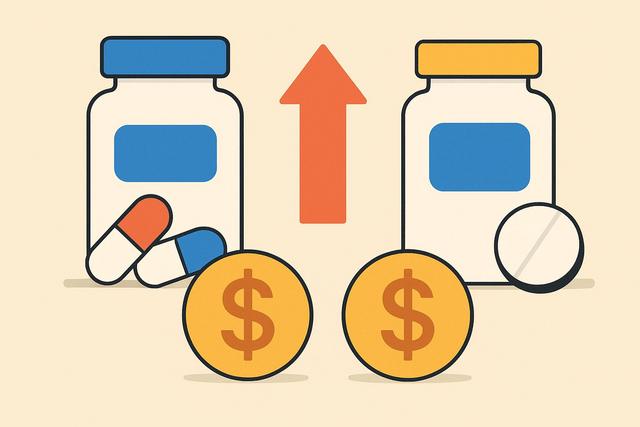
When faced with a choice between generic and brand medications, cost is often a major consideration for consumers and healthcare providers alike. Understanding the differences in pricing, efficacy, and availability is crucial for making informed decisions about medication. This guide will help you navigate the complexities of medication costs, focusing on the distinctions between generic and brand options.
Understanding Generic and Brand Medications
Before delving into the price comparison, it's essential to understand what distinguishes generic medications from brand-name drugs. Brand medications are typically the first versions of a drug, developed and marketed by pharmaceutical companies under patent protection. Until the patent expires, only the original manufacturer can produce and sell the drug.
Conversely, generics are almost identical in terms of safety, efficacy, and use but can be produced by other companies once a brand's patent expires. Generics must meet the same rigorous standards set by the Food and Drug Administration (FDA), ensuring they are bioequivalent to their branded counterparts.
Price Differences Explained
One of the most significant differences between generic and brand medications is cost. Brand-name drugs can be significantly more expensive due to the costs associated with research, development, and marketing. Generics, on the other hand, have minimal production costs and lower marketing expenses.
To highlight this, consider a common cholesterol-lowering medication, Atorvastatin (Lipitor). The branded Lipitor might cost around $200 for a month's supply, while a generic version could be priced as low as $10, illustrating a potential savings of over 90%.
Factors Influencing Medication Prices
Factors Affecting Brand Medication Prices
- Development and Manufacturing Costs: Brands incur high initial development costs.
- Marketing and Promotional Expenses: Extensive marketing campaigns raise costs.
- Patent Protection: Allows for exclusivity, enabling price control without competition.
Factors Affecting Generic Medication Prices
- Competition: Many manufacturers increase supply but lower prices.
- Lower Marketing Costs: Generics often don't need large advertisement budgets.
- Economies of Scale: High demand and production volume often result in cost savings.
Real-World Scenarios of Price Differentials
Understanding real-world scenarios helps contextualize the differences:
- Antidepressants: Brand-name antidepressants can be as high as $200 a month, whereas generics might run between $4 to $15.
- Hypertension Medications: For common hypertension drugs, costs can vary significantly. A brand might be $200, while the generic equivalent might be priced below $20.
Case Study: Metformin
Metformin, used for Type 2 diabetes, illustrates significant price differences where the brand name and generic versions have a pricing discrepancy as much as tenfold.
Advantages and Disadvantages
Advantages of Generics
- Cost Savings: Generics offer significant savings with the same efficacy.
- Widespread Availability: More options for purchase due to multiple manufacturers.
- Insurance Coverage: Often covered by insurance policies with lower copayments.
Disadvantages of Generics
- Consumer Perception: Some consumers mistakenly believe generics are lower in quality.
- Availability of New Drugs: New therapies often aren’t available in generic form immediately.
Advantages of Brand Medications
- Perceived Trust and Efficacy: Some prefer brands due to reputation and perceived reliability.
- Product Options and Research: Often receive continuous research and development updates.
Disadvantages of Brand Medications
- High Cost: Prices are typically higher due to patent and marketing expenses.
Mistakes and Misconceptions
There are common misconceptions about choosing between generic and brand medications:
- Quality Concerns: As new drugs reach the market, the notion that generics are inferior in quality persists, which is unfounded given rigorous FDA checks.
- Side Effects: Some may perceive side effects more strongly from generics, although they are generally identical chemically.
How to Make Informed Decisions
Steps to Choose Wisely
- Consult Your Doctor: Always consult healthcare providers about generic options.
- Compare Prices: Use options like GoodRx to compare prices across pharmacies.
- Insurance Coverage: Understand your policy for generic versus brand medication coverage.
- Research: Check online databases and peer-reviewed sites for medication comparisons.
Conclusion
The decision between generic and brand medications should balance cost, efficacy, and personal health needs. Always verify the most current prices as they can fluctuate based on several factors. Ensuring access to cost-effective medication enhances healthcare outcomes, and being informed is key to making the best choice for you or your patients.

