Best Medications for Managing High Blood Pressure
- 10/29/2025 07:12am
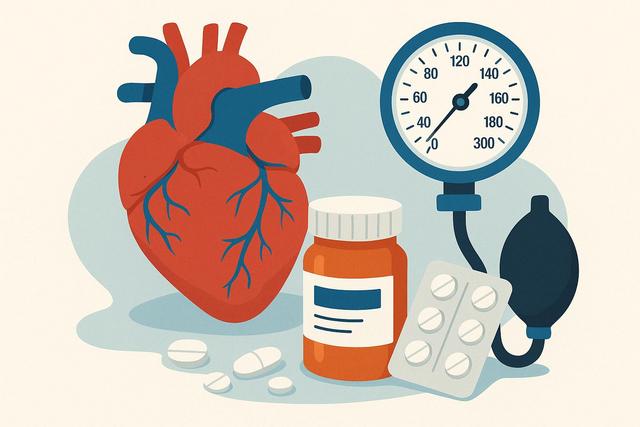
High blood pressure, also known as hypertension, is a common condition affecting millions worldwide. Effective management is crucial to reduce the risk of heart disease and stroke. This guide provides an overview of the best medications for managing high blood pressure in 2025, offering insights into new treatments and established therapies that continue to show efficacy.
Understanding Hypertension
Hypertension is a long-term medical condition characterized by consistently elevated blood pressure levels. According to the American Heart Association, normal blood pressure should be below 120/80 mmHg. Hypertension is classified into primary and secondary categories, with various underlying causes ranging from genetics to lifestyle factors.
Common Symptoms and Risks
High blood pressure often presents with no symptoms, which makes routine checks crucial. If left untreated, hypertension can lead to cardiovascular diseases, kidney failure, and even cognitive decline.
Overview of Blood Pressure Medications
Medications remain a cornerstone in managing hypertension. The choice of medication depends on the patient's profile, including age, race, and co-existing health conditions.
1. ACE Inhibitors
Angiotensin-Converting Enzyme (ACE) inhibitors work by relaxing blood vessels, thus lowering blood pressure. Commonly prescribed ACE inhibitors include Lisinopril and Enalapril. These medications are particularly effective in patients with chronic kidney disease.
2. Angiotensin II Receptor Blockers (ARBs)
These drugs block the action of angiotensin II, a chemical that narrows blood vessels. Popular ARBs like Losartan and Valsartan are often prescribed as alternatives for patients who experience side effects from ACE inhibitors.
3. Calcium Channel Blockers
Calcium channel blockers help lower blood pressure by inhibiting calcium from entering heart and blood vessel cells. Amlodipine and Diltiazem are widely used for patients of African descent and elderly populations.
4. Diuretics
Often the first-choice treatment, diuretics help eliminate excess sodium and water from the body. Thiazide diuretics like Hydrochlorothiazide are commonly used to bolster the effects of other antihypertensive drugs.
Emerging Treatments in 2025
1. Renin Inhibitors
Drugs like Aliskiren directly inhibit renin, an enzyme involved in blood pressure regulation. Though not widely adopted initially, recent studies highlight their efficacy in certain hypertensive populations.
2. Combination Medications
Combining medications into a single pill is gaining traction. Poly-pill therapy improves adherence and efficacy. Recent combinations have shown significant improvements in blood pressure management without increasing side effects.
Lifestyle Changes Complementing Medication
Medications are more effective when paired with lifestyle adjustments:
- Diet: Emphasis on a balanced diet rich in fruits, vegetables, and low-fat dairy products.
- Exercise: Regular physical activity – at least 150 minutes of moderate aerobic exercise each week.
- Weight Management: Maintaining a healthy weight is crucial to managing hypertension.
- Reduced Sodium Intake: Limiting sodium can enhance the efficacy of medications.
Monitoring and Consultation
Regular monitoring is essential to ensure effective hypertension management. Consider using digital blood pressure monitors and maintaining logs to share with healthcare providers during consultations. For reliable devices, check options from Mayo Clinic's recommendations.
Conclusion
Managing high blood pressure in 2025 involves a multipronged approach that includes both medication and lifestyle modifications. Patients should work closely with healthcare providers to tailor treatment plans to their unique circumstances. Understanding medication options and emerging treatments ensures patients have the tools necessary to mitigate the risks associated with hypertension.
Actionable Takeaways:
- Consult with healthcare providers to explore suitable medication options.
- Adhere to lifestyle changes for optimal results.
- Monitor blood pressure regularly and adjust treatment plans as necessary.

