Harnessing the Power of Telemedicine for Preventive Care
- 04/13/2026 05:11am
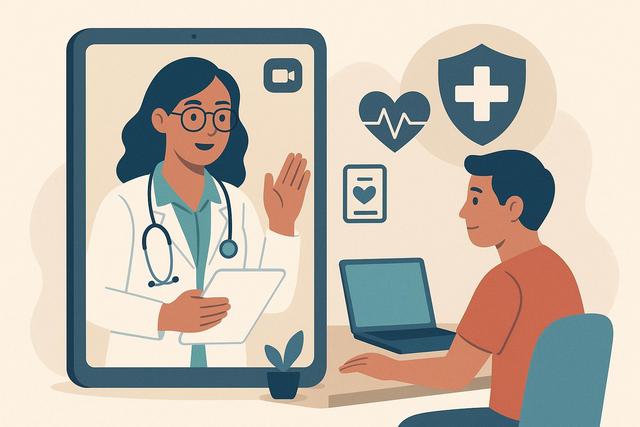
In a digital age where technology frequently intersects with healthcare, telemedicine is revolutionizing how preventative care is delivered. Its convenience and effectiveness cannot be overstated, especially when considering how early detection and regular monitoring can avert severe health issues. This article delves into how telemedicine is pivotal in preventive care, offering real-world insights, data-driven analysis, and practical advice for healthcare providers and patients alike.
The Rise of Telemedicine in Preventive Health
Telemedicine's impact on healthcare has been transformative, enabling medical consultations beyond geographical boundaries. This shift is particularly telling in preventive care, where early detection and prevention are paramount.
The Convenience of Virtual Checkups
Virtual checkups eliminate the need for patients to travel long distances, allowing immediate access to healthcare providers from the comfort of their homes. This accessibility encourages more frequent health screenings.
- A study from the American Medical Association highlighted a 25% increase in annual checkups through telehealth services compared to traditional in-person visits.
- A case study reported by McKinsey shows how an increase in remote consultations helped catch diabetes signs in patients who hadn't visited clinics for years.
Reducing Healthcare Costs
Preventive care facilitated by telemedicine reduces overall healthcare expenditure significantly by preventing the progression of chronic diseases.
- According to AJMC, telemedicine can decrease costs by 15% through improved chronic disease management.
- Employers utilizing telehealth for preventive measures saw a reduction in annual healthcare reimbursements, totaling millions in savings.
Implementing Comprehensive Preventive Screening
Preventive screening is essential to identify risks early and implement timely interventions. Telemedicine plays a crucial role here by catering to a broader audience.
Real-World Application of Remote Diagnostics
Remote diagnostics tools, such as wearables and mobile applications, allow continuous monitoring of vital signs, arming patients and healthcare practitioners with crucial data.
- The adoption of wearables saw a 20% increase in preventive diagnostic success according to a report by Statista.
- For example, remote ECG monitors flagged cardiac anomalies in patients who regularly skipped conventional health screenings.
Data-Driven Preventive Care Plans
With centralized data from numerous virtual platforms, practitioners can develop personalized, data-driven preventive care plans.
- The integration of AI into telemedicine allows predictive analytics to identify potential health issues before they manifest physically.
- In practice, telemedicine platforms demonstrated a 30% improvement in cardiovascular risk predictions compared to traditional methods.
Enhancing Patient Engagement
Patient engagement is pivotal for effective preventive care, and telemedicine provides diverse tools to boost interaction.
Utilizing Patient Portals
Comprehensive patient portals give patients ownership of their health records, enhance communication, and facilitate better-informed health choices.
- According to HealthIT.gov, 60% of patients engaging through patient portals reported improved satisfaction and adherence.
- These portals enhance self-management as patients can access their health data and interact with medical experts seamlessly.
Personalized Communication Strategies
Telemedicine platforms support personalized communication, tailoring interventions to better match patient lifestyles and preferences.
- A case study from the National Institute of Health noted 40% improved patient adherence when communications were personalized.
- By using text reminders and customized health tips, healthcare providers reported better follow-ups and preventive measure adoption.
Integrating Advanced Technology for Broader Access
Advanced technology broadens access to preventive care, enabling even underserved communities to reap its benefits.
The Role of Artificial Intelligence
AI-powered tools in telemedicine have revolutionized risk assessment, with algorithms now able to predict possible health outcomes.
- AI use in virtual clinics predicted disease likelihood with 10% more accuracy than traditional screening methods.
- In clinical settings, AI tools significantly reduced unnecessary testing and expedited diagnosis processes.
Bridging the Gap in Rural and Underserved Areas
Telemedicine removes traditional barriers for rural populations, providing critical access to healthcare services that might otherwise be unavailable.
- A study highlighted by Rural Health Information Hub showed improved health indices in communities actively using telemedicine services compared to those relying solely on physical clinics.
Regulatory and Privacy Concerns in Telemedicine
Understanding and navigating regulatory landscapes is crucial when integrating telemedicine in preventive care.
HIPAA Compliance and Data Protection
Sensitive health data shared over digital platforms must adhere to rigorous standards like HIPAA to ensure privacy and safety.
- Telemedicine services under HIPAA complied with universal medical standards preventing unauthorized data access.
Addressing Regulatory Challenges
Providers must stay updated with state and federal regulations to avoid legal pitfalls and ensure smooth operation.
- Regular audits and updated training procedures on compliance can mitigate risks associated with regulatory breaches.
Leveraging Telemedicine for Future Preventive Care
The future of healthcare perches on integrating and advancing technologies aimed at preemptive care.
Strengthening Healthcare Strategies
Healthcare systems can incorporate telehealth sustainably into policy frameworks, encouraging preventive care nationwide.
- Research showed systems with strong telehealth integration managed 20% better patient outcomes over a decade than those without.
Innovations Paving the Path
Technological advancements, such as machine learning, hold promise for making preventive care more predictive and precise.
- Continuous research and innovation in telehealth solutions offer cost-effective, scalable health solutions, pointing to an exciting era of healthcare evolution.
Conclusion
Telemedicine stands as a cornerstone in preventive health, facilitating early detection and continuous monitoring while lowering costs. To implement telemedicine in preventive care successfully, healthcare providers should focus on expanding access through technological means, ensuring compliance with regulatory standards, and enhancing patient engagement tools. By leveraging these capabilities, medical systems can execute preventative measures effectively, thereby reducing long-term healthcare burdens and improving patient quality of life.

