How to Improve Sleep Quality Naturally and Quickly
- 07/26/2026 05:11am
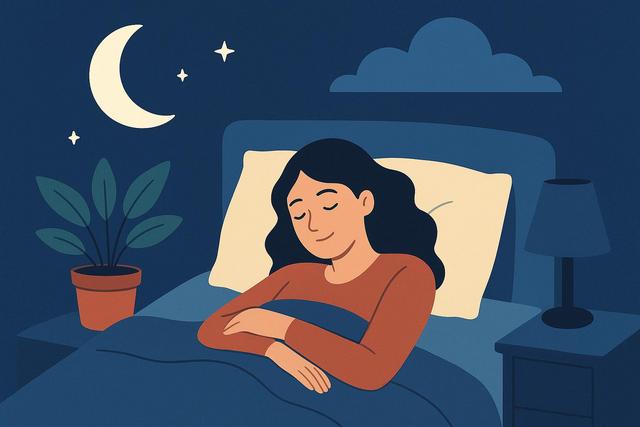
Achieving restful sleep is crucial for mental health and overall well-being. In this guide, we will explore actionable strategies to naturally enhance sleep quality fast, supported by practical tips and common pitfalls to avoid.
Understanding Sleep Quality
Sleep quality is not merely about duration but also about how restorative and uninterrupted sleep is. Key factors include the time taken to fall asleep, sleep stability throughout the night, and the feeling of restfulness upon waking. High sleep quality directly impacts cognitive functions, emotional stability, and physical health.
Example of Poor Sleep Quality
An individual may sleep for eight hours yet feel exhausted due to frequent night disturbances or non-REM sleep prevalence. This scenario highlights the gap between sleep quantity and quality.
The Importance of Sleep Hygiene
Sleep hygiene refers to practices and habits conducive to sleeping well on a regular basis. It includes behavioral changes and environmental adjustments.
Tips for Maintaining Sleep Hygiene
- Consistency: Maintain a regular sleep schedule by going to bed and waking up at the same time daily, even on weekends.
- Sleep Environment: Make the bedroom conducive to sleep—cool, quiet, and dark. Consider using blackout curtains or a white noise machine.
- Avoid Stimulants: Limit caffeine and nicotine intake in the afternoon and evening.
Natural Aids and Remedies
Embrace natural methods to improve sleep quality without the dependency on pharmaceuticals.
Herbal Supplements
Valerian Root and Chamomile Tea are known for their calming effects. Incorporating these into an evening routine can ease the transition into restful sleep.
Aromatherapy
Essential oils like lavender can reduce anxiety levels and improve sleep depth. Diffusing these oils or using them in a warm bath can enhance relaxation before bedtime.
The Role of Diet and Exercise
What you eat and how you move can significantly affect your sleep cycle.
Dietary Considerations
- Magnesium-Rich Foods: Incorporate dark leafy greens, nuts, and seeds to support sleep-inducing brain chemicals.
- Timing: Avoid heavy meals close to bedtime, which can disrupt sleep.
Exercise Models
Regular physical activity, particularly aerobic exercises, can increase sleep duration and quality. Aim for at least 150 minutes of moderate aerobic exercise per week, but avoid intense activity close to bedtime.
Managing Stress and Mental Health
Mental health is deeply intertwined with sleep quality. Stress and anxiety can lead to insomnia and disrupted sleep patterns.
Techniques to Manage Stress
- Mindfulness Meditation: Practicing meditation before bedtime can reduce stress. Apps like Headspace and Calm offer guided sessions.
- Cognitive Behavioral Therapy (CBT): This approach can help change thoughts and behaviors contributing to poor sleep. A licensed therapist can offer CBT, either in person or online.
Common Mistakes and Misconceptions
Avoiding these pitfalls can ensure a smoother path to enhanced sleep quality.
Misunderstandings
- Sleep Aids Dependence: Over-the-counter sleep aids can lead to dependency and further sleep issues.
- Screen Time: The blue light from screens can inhibit melatonin production. Reduce screen exposure an hour before bed.
FAQs
What is a natural sleep cycle?
The natural sleep cycle includes various stages starting from light sleep to deep sleep and REM cycles, each contributing to overall restfulness.
How does caffeine affect sleep?
Caffeine stimulates the nervous system and can sharply reduce the depth of sleep if consumed too close to bedtime.
Can exercise improve sleep if done in the evening?
Vigorous exercise late in the evening can be stimulating and should be avoided, whereas light stretching or yoga can be beneficial.
Conclusion
Enhancing sleep quality naturally involves a holistic approach from lifestyle changes to managing mental health. Implement these strategies gradually and tailor them to your personal needs. Initial improvements in sleep patterns often lead to significant changes in overall health and quality of life.

