How to Reduce Stress Quickly at Home: A Strategic Guide
- 07/31/2026 05:11am
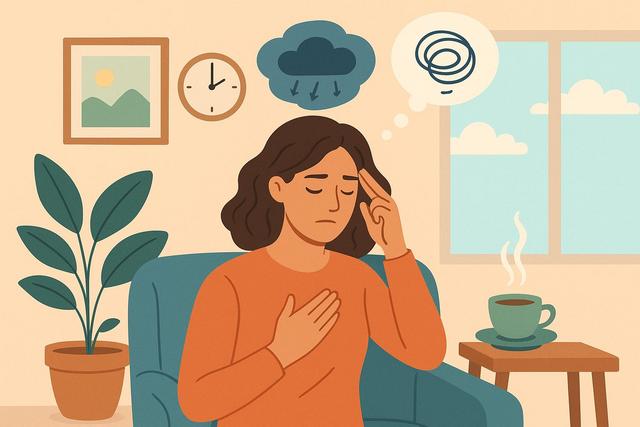
In our fast-paced world, stress is a common companion. While a certain level of stress can be motivating, too much of it can take a toll on your mental and physical health. Fortunately, there are effective ways to reduce stress quickly and easily from the comfort of your home. This guide will provide strategic insights and practical recommendations to help you manage stress efficiently.
Understanding the Nature of Stress
Stress is a biological response to challenging situations. When perceived threats arise, our body enters a 'fight-or-flight' mode, releasing hormones like adrenaline and cortisol. While this is essential for survival, chronic stress can lead to health issues such as anxiety, depression, and heart disease.
What Triggers Stress?
While individual triggers can vary, common stressors include work deadlines, financial pressures, relationship conflicts, and health concerns. By identifying these triggers, you can develop effective strategies to address them directly.
Quick Home-Based Stress Relief Techniques
Alleviating stress doesn't always require a therapist or medication. Home-based solutions can be both immediate and effective.
Deep Breathing Exercises
Deep breathing can activate your parasympathetic nervous system, which decreases your heart rate and relaxes muscles. To practice, find a quiet space, inhale deeply through your nose, hold for a few seconds, and exhale slowly through your mouth. Repeat this cycle for five minutes to experience calmness.
Progressive Muscle Relaxation
This technique involves tensing and relaxing different muscle groups. Starting from your toes and working your way up can help relinquish tension. Focus on your breathing as you tense each muscle for 5 seconds, then relax.
The Role of Environment in Stress Reduction
Our immediate environment plays a crucial role in how we experience stress.
Creating a Serene Space
An orderly space can foster tranquility. Declutter your home, ensure adequate lighting, and use calming colors like blue or green to aid relaxation. Incorporate elements such as indoor plants that have been shown to reduce psychological and physiological stress.
Technology Detox
Constant notifications and screen exposure can elevate stress levels. Designate specific times to disconnect from technology. Simple acts like reading a book or taking a tech-free walk can be rejuvenating.
The Power of Mindfulness and Meditation
Mindfulness helps you focus on the present moment, thus reducing anxiety about the future or regret over the past.
Guided Meditation Practices
Starting with guided meditation can be especially helpful. Resources like the Headspace app offer structured sessions to transition you into a more meditative, mindful state.
Short Mindfulness Sessions
Even a minute of mindfulness can be beneficial. Try focusing on your breath, the sensations in your body, or sounds around you. This practice can effectively distract your mind from stressors.
Leveraging Physical Activity
Exercise releases endorphins, the body's natural stress relievers.
Short Bursts of Activity
Even short sessions of physical exercise can significantly impact stress levels. 10-minute brisk walks, a quick yoga session, or at-home cardio can elevate your mood.
Comparison: Yoga vs. Aerobic Exercise
| Feature | Yoga | Aerobic Exercise |
|---|---|---|
| Stress Reduction | High | Moderate |
| Flexibility Improvement | High | Low |
| Endorphin Release | Moderate | High |
Yoga is particularly effective for flexibility and holistic stress reduction, whereas aerobic exercise is ideal for a more intense endorphin boost.
Mistakes and Misconceptions
Several misconceptions can hinder effective stress management.
Neglecting Personal Triggers
Ignoring what specifically stresses you out can defeat stress reduction practices. Self-awareness into what circumstances exacerbate stress is crucial.
Over-Reliance on Quick Fixes
While fast tactics are helpful, long-term solutions are necessary for sustainable stress management.
Conclusion: Strategic Takeaways
Reducing stress at home requires a multi-faceted approach. Deep breathing, environment adjustments, mindfulness, and physical activity are effective strategies. However, understanding personal stressors and adopting a balanced approach will make these techniques more impactful.
Implementation Steps
- Identify personal stress triggers.
- Dedicate a daily 5-minute period to deep breathing.
- Organize a calming personal space.
- Include at least one physical activity in your daily routine, like yoga.
- Use technology mindfully, scheduling screen-free time.
FAQs
What is a quick solution for immediate stress relief?
Deep breathing exercises are effective for instant relief.
Can stress levels affect physical health?
Yes, chronic stress can contribute to ailments like hypertension and anxiety.
How can mindfulness improve stress levels?
Mindfulness focuses the mind on the present, reducing anxiety about future or past events.
Is exercise essential for stress management?
Physical activity significantly reduces stress by releasing endorphins.
How do I create a stress-relieving home environment?
Consider decluttering, using calming colors, and incorporating nature through indoor plants.

