Overcoming Burnout from Work Stress: A Strategic Guide
- 07/28/2026 05:11am
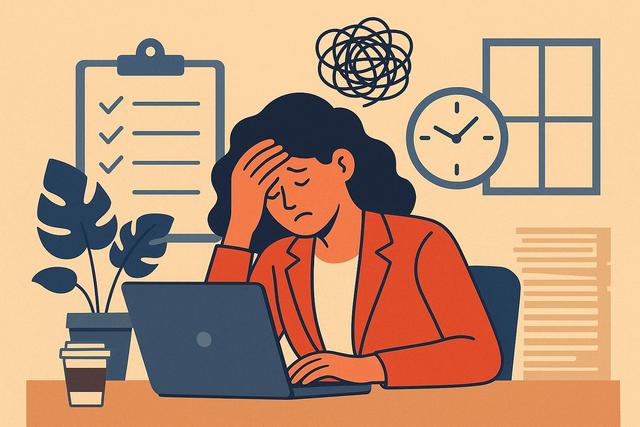
Burnout, a state of emotional, mental, and often physical exhaustion brought on by prolonged or repeated stress, is increasingly recognized as a significant issue in many workplaces today. The World Health Organization now classifies burnout as an 'occupational phenomenon,' emphasizing its pervasive impact on employee well-being. This article provides a strategic guide to overcoming burnout from work stress, offering practical insights and actionable steps to help you regain control and enhance your mental health.
Understanding Burnout: Causes and Indicators
Burnout arises from chronic workplace stress that has not been successfully managed. It's marked by physical and emotional exhaustion, depersonalization, and a sense of reduced accomplishment.
Primary Causes of Burnout
- Excessive Workload: When tasks and responsibilities exceed a person’s capacity, stress levels rise significantly.
- Lack of Control: Insufficient autonomy and lack of influence over decisions contribute to a feeling of powerlessness and stress.
- Insufficient Rewards: Lack of recognition or inadequate compensation can exacerbate feelings of worthlessness.
Recognizing the Symptoms
Common indicators include chronic fatigue, insomnia, forgetfulness, increased irritability, and physical symptoms such as headaches or stomachaches. Recognizing these symptoms early allows for timely intervention and recovery.
Developing Resilience: Strategies to Combat Burnout
Building resilience is key to combating burnout. It involves nurturing mental, emotional, and physical health proactively.
Mental Health Strategies
- Mindfulness and Meditation: Techniques such as mindful meditation can improve concentration and reduce stress. Apps like Headspace or Calm can guide you with daily practices.
- Cognitive Behavioral Techniques (CBT): Incorporating CBT helps in restructuring negative thoughts into positive ones, promoting a healthier mindset.
Emotional Well-being Practices
- Limit Negative Exposure: Monitor consumption of news and social media to reduce anxiety and stress.
- Cultivate Support Networks: Engage with colleagues or friends who offer support and positivity.
Physical Health Approaches
- Regular Exercise: Physical activity elevates mood and improves overall health. Consider yoga or cardiovascular workouts for stress relief.
- Healthy Diet: Nutrition plays a vital role in mental health. Foods rich in omega-3 fatty acids, like salmon, and antioxidants, like fruits and vegetables, improve brain function.
Creating Work-Life Balance
Striking a balance between work and personal life is crucial in preventing burnout.
Setting Boundaries
- Digital Detox: Allocate times when access to work emails and calls is switched off.
- Designated Personal Time: Schedule downtime and adhere to it as strictly as work appointments.
Delegating Responsibilities
Understand when to delegate tasks to colleagues, preventing overwhelm and allowing for more strategic focus on career goals.
Implementing Organizational Changes
Organizational policy changes can mitigate stress and improve employee well-being.
Encouraging Open Communication
Creating a culture where employees feel safe to discuss workload and stress without judgment paves the way for meaningful solutions.
Providing Resources
Organizations should provide resources for employee mental health, such as Employee Assistance Programs (EAPs) or partnerships with mental health professionals.
Common Misconceptions and Mistakes
Misconceptions around burnout can delay effective intervention.
Ignoring Early Warning Signs
More often than not, individuals dismiss the early symptoms of burnout, leading to exacerbated issues.
Believing Burnout is Permanent
Burnout is reversible, especially when addressed promptly and comprehensively.
FAQs About Overcoming Burnout
What is the main cause of burnout?
Excessive workload and lack of control are primary contributors.
How can exercise help reduce burnout?
Exercise reduces stress hormones and stimulates endorphins, enhancing mood.
Can workplace changes effectively reduce burnout?
Yes, supportive workplace changes such as flexible hours and mental health resources can substantially relieve stress.
Conclusion
Addressing burnout is not just about recovery but also about implementing ongoing strategies for mental and physical well-being. By understanding the roots of burnout and applying effective self-care practices and workplace strategies, you can regain control of your life and career. Remember, recovery is a journey, and small, consistent steps yield substantial change. Begin by setting realistic goals, advocating for necessary changes, and seeking support when needed to foster a sustainable work-life balance.

