How Virtual Therapy is Transforming Mental Health Access
- 03/26/2025 11:11am
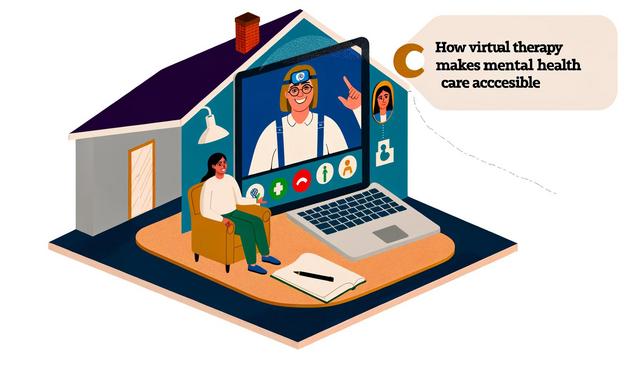
Virtual therapy is revolutionizing the mental health care industry, breaking down geographical and social barriers to make support more accessible. With the aid of technology, individuals can now receive quality counseling through online platforms. This comprehensive guide delves into how virtual therapy is making mental health care more available, highlighting its benefits, challenges, and future prospects.
Understanding Virtual Therapy
Virtual therapy, also known as online counseling or e-therapy, is a form of mental health support delivered via the internet. It leverages video conferencing, chat, or phone to provide therapeutic services remotely. This model offers flexibility and accessibility, especially for those in rural or underserved areas.
Benefits of Virtual Therapy
Accessibility and Convenience
One of the primary advantages of virtual therapy is its accessibility. Geographical limitations, transportation issues, and time constraints often deter individuals from seeking traditional in-office therapy. Online counseling eliminates these barriers by allowing access to care from any location with an internet connection.
Stigma Reduction
For many, the stigma associated with seeking mental health support can be a significant deterrent. Virtual therapy offers anonymity and privacy, making it easier for individuals to take that first step towards care.
Cost-Effectiveness
Virtual therapy is often more affordable than traditional face-to-face counseling. With reduced overhead costs, many providers pass these savings on to clients, making mental health care more financially accessible.
Challenges Faced by Virtual Therapy
Technical Issues
While virtual therapy is convenient, it isn't without challenges. Technical issues such as poor internet connectivity can hinder the effectiveness of online sessions. Ensuring a stable internet connection and familiarity with digital tools is essential for a smooth therapy experience.
Ethical and Legal Considerations
Therapists must navigate ethical and legal concerns, including confidentiality and data security. It's crucial for providers to use secure platforms to protect client information. Additionally, they must be aware of the legal landscape since licensure requirements can vary by state or country.
Lack of In-Person Dynamics
Some argue that virtual therapy lacks the interpersonal nuances of in-person therapy, such as body language and physical presence. Therapists and clients must adapt to the limits of digital communication when building a therapeutic relationship.
The Future of Virtual Therapy
Integration with Traditional Therapy
The future likely holds a hybrid model that integrates virtual and face-to-face therapy. This flexible approach allows for personalized care tailored to an individual's needs, blending the best of both worlds.
Technology Enhancements
As technology advances, so too will virtual therapy platforms. Tools like artificial intelligence, virtual reality, and improved telecommunication devices promise to further enhance the therapeutic experience, making it more immersive and engaging.
Case Studies
Case Study: Improved Access in Rural Areas
In a recent study published in the Journal of Clinical Psychology, researchers found that virtual therapy significantly increased access to care in rural communities Journal Source. Participants reported higher satisfaction rates compared to those in non-rural settings.
Case Study: Growth During COVID-19
The COVID-19 pandemic catalyzed the adoption of virtual therapy. According to a report by the American Psychological Association, 74% of psychologists transitioned to delivering services remotely during the pandemic, highlighting virtual therapy's resilience and flexibility APA Source.
Conclusion
Virtual therapy is transforming the mental health landscape by making support more accessible and affordable. While challenges exist, innovations in technology and flexible service models promise to address these issues, ensuring that mental health care is within reach for everyone. For those considering therapy, exploring online options could be the first step towards a healthier, more balanced life.
Actionable Takeaways
- Research Providers: Look for accredited platforms and verify therapist credentials.
- Prepare for Sessions: Ensure a reliable internet connection and familiarize yourself with digital tools.
- Consider Your Comfort: Choose a therapy format (video, chat, etc.) that suits your comfort level.
- Check Insurance: Investigate if your insurance plan covers virtual therapy services.

