Revolutionizing Mental Health Crisis Care with Telemedicine
- 03/20/2026 08:41am
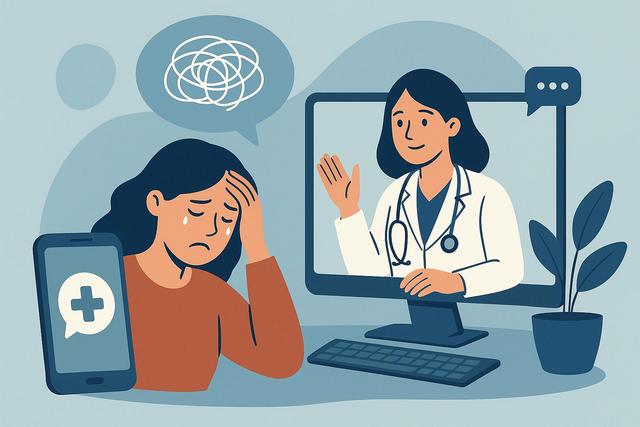
Telemedicine has transformed healthcare delivery by offering timely response capabilities in mental health crises. The increasing prevalence of psychological emergencies necessitates innovative solutions, particularly in a post-pandemic world. This comprehensive guide delves into how telemedicine is reshaping mental health crisis intervention with real-world examples, strategic insights, and actionable steps for implementation.
Understanding the Rise of Mental Health Crises
The past decade has seen a significant rise in mental health crises, partly exacerbated by societal changes and unforeseen events like the COVID-19 pandemic. For instance, a CDC report from 2022 highlighted a 30% increase in self-reported depression and anxiety levels among adults following the pandemic onset. Such statistics underscore the urgent need for efficient and accessible mental health solutions.
Contributing Factors
Societal Changes: Increased urbanization and digitalization contribute to elevated stress levels and social isolation.
Pandemic Impact: Lockdowns and uncertainties have intensified existing mental health conditions and triggered new cases.
Strategic Solutions
- Digital platforms need to provide easy access to qualified mental health professionals.
- Utilizing data analytics for predicting and managing potential crisis trends.
Telemedicine in the Forefront of Crisis Response
Telemedicine, defined as the remote delivery of healthcare services, plays a critical role in handling mental health crises. Companies like Teladoc Health have paved the way by providing 24/7 access to mental health professionals, resulting in a 15% reduction in emergency room visits for psychological concerns.
Case Studies
The VA Experience: The Veterans Affairs (VA) healthcare system demonstrated remarkable outcomes by implementing telehealth services, reducing hospitalization due to mental health crisis by 20%.
Ochsner Health: This health system employed telemedicine to manage psychiatric consultations, achieving a 25% increase in patient satisfaction ratings.
Actionable Insights
- Training medical personnel on telehealth tools ensures optimum crisis intervention.
- Establishing robust internet infrastructure to support efficient telemedicine practices.
Bridging the Access Gap with Online Crisis Care
One of the primary advantages of telemedicine is its ability to bridge the access gap in crisis intervention by providing remote care to underserved populations.
Real-world Applications
Rural Communities: Remote consultations through platforms like MDLive have provided critical services to areas with a scarcity of mental health care providers.
Youth and Adolescents: Online mental health platforms such as BetterHelp cater specifically to the needs of the younger demographic, reducing stigma associated with seeking help.
Recommendations
- Develop partnerships with local organizations to raise awareness of telehealth benefits.
- Incorporate user-friendly design in digital communication tools to facilitate adoption.
Evaluating the Efficacy of Telehealth Interventions
Determining the success of telemedicine in addressing mental health crises requires a critical evaluation of outcome metrics such as patient recovery times and user engagement.
Data Points
A JAMA study in 2021 reported that patients using telemedicine for mental health consultations showed a 30% faster improvement in symptoms.
Increased follow-up rates were observed in patients participating in virtual therapy sessions compared to traditional methods.
Strategic Analysis
- Regular audits of telehealth programs can refine methodologies and enhance service delivery.
- Encouraging feedback from patients to tailor services according to evolving needs.
Overcoming Challenges in Online Mental Health Support
Despite its potential, telemedicine for mental health crises faces challenges such as privacy concerns, technological barriers, and insurance reimbursements.
Addressing Privacy Concerns
- Implementing end-to-end encryption and secure login for telehealth sessions can mitigate data breach risks.
- Adopting a transparent approach by informing patients about data policies and procedures.
Tackling Technological Barriers
- Ensuring compatibility with diverse technological devices and platforms.
- Offering instructional resources or helpline support to assist tech-challenged users.
The Economic Impacts of Telemedicine in Mental Health
Adopting telemedicine for mental health crises presents economic benefits, including reduced healthcare costs and improved productivity.
Financial Data
Research indicates telemedicine could save U.S. healthcare up to $7 billion annually by decreasing hospitalization rates.
Improved patient outcomes reduce the economic burden associated with chronic mental health conditions.
Recommendations
- Encouraging policymakers to support telehealth initiatives through subsidies or grants.
- Investing in long-term telemedicine infrastructure can lead to sustainable economic returns.
Conclusion
Telemedicine offers a transformative approach to managing mental health crises, bridging gaps in accessibility and efficiency. Implementing this technology requires strategic planning, investment in digital infrastructure, and collaboration with healthcare providers.
Clear Takeaways
- Prioritize training for healthcare professionals in telemedicine applications.
- Increase investment in secure digital platforms for safe patient data handling.
- Develop awareness programs illustrating the advantages of telemedicine for mental health.
Implementation Steps
- Collaborate with local authorities to expand telehealth access in underserved areas.
- Continuously evaluate telemedicine interventions using advanced analytics.
- Advocate for policy reforms to support telehealth affordability and integration into the healthcare system.

