Mindfulness Exercises for Beginners: A Comprehensive Guide
- 08/17/2026 05:11am
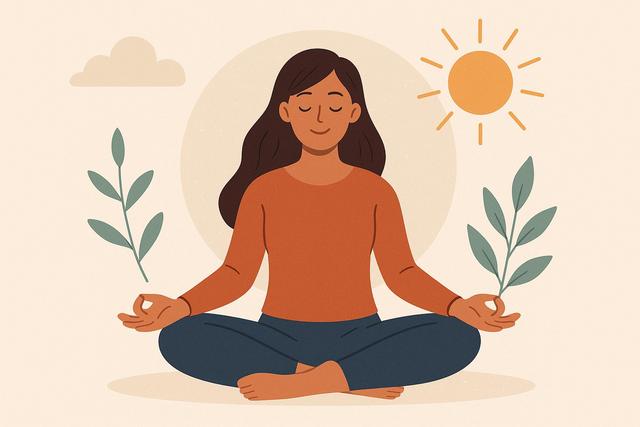
Mindfulness has become a buzzword in the realms of mental health and stress management. For those new to the concept, beginning a mindfulness practice can be daunting. This guide focuses on simple yet effective mindfulness exercises crafted for beginners, aiming to enhance mental clarity, focus, and overall well-being.
Understanding Mindfulness Basics
Mindfulness is the practice of being present and fully engaged with the current moment without judgment. It involves awareness of your thoughts, feelings, bodily sensations, and the surrounding environment. Unlike meditation, which involves a deep state of relaxation and altered consciousness, mindfulness is about cultivating an appreciative awareness of the current moment.
Real-Life Example: Everyday Mindfulness
Consider washing dishes. Instead of letting your mind wander, focus on the sensory experience – the warmth of the water, the feel of the soap, the sound of the water. This awareness transforms a mundane task into a mindfulness exercise.
Benefits of Mindfulness for Beginners
Mindfulness has numerous documented benefits, making it a valuable exercise for mental health. According to the American Psychological Association, mindfulness can reduce stress, improve focus, and increase emotional resilience.
Strategic Insights
- Improved Focus: Mindfulness strengthens your ability to concentrate, which can enhance productivity in both personal and professional contexts.
- Stress Reduction: Regular mindfulness practice lowers cortisol levels, mitigating stress-related health issues.
- Emotional Regulation: By becoming more aware of your emotional reactions, you can respond more thoughtfully and less impulsively.
Step-by-Step Guide to Basic Mindfulness Exercises
For beginners, starting small is key. The following exercises are designed to gently introduce mindfulness into your routine.
Mindful Breathing
- Sit comfortably with your back straight.
- Close your eyes and breathe in slowly through your nose.
- Focus on the sensation of the breath entering and leaving your body.
- If your mind wanders, gently refocus back on your breath.
Body Scan
- Lie down comfortably.
- Close your eyes and take a few deep breaths.
- Slowly bring your attention to each part of your body, starting from your toes and moving upwards.
- Notice any sensations, tension, or discomfort without judgment.
Three-Minute Breathing Space
- Take a minute to explore your experience, noticing thoughts, feelings, and bodily sensations.
- Gather your attention on your breath, focusing for one minute.
- Expand your awareness to include your body and surroundings for another minute.
Common Pitfalls and How to Avoid Them
Even the most well-intentioned beginners can make mistakes. Here’s how to bypass common mindfulness pitfalls.
Mistake 1: Expecting Immediate Results
Mindfulness is a practice that requires patience. Avoid comparing your progress with others.
Mistake 2: Overcomplicating the Practice
Sticking to simple practices often yields the best results. Avoid complex routines that could overwhelm you.
Mistake 3: Lack of Consistency
Establish a routine by setting a regular time each day for mindfulness. Consistency is key.
Mindfulness Tools and Resources
Numerous online resources, apps, and books are designed to aid mindfulness practices.
Recommended Apps
- Headspace: Offers guided meditations and mindfulness exercises perfect for beginners.
- Calm: Provides a wide range of mindfulness programs including calming music and bedtime stories.
Books for Beginners
- “The Miracle of Mindfulness” by Thich Nhat Hanh
- “Wherever You Go, There You Are” by Jon Kabat-Zinn
FAQ Section
1. What is the best time of day to practice mindfulness?
The best time is subjective; however, mornings can set a positive tone for the day.
2. Can mindfulness help with anxiety?
Yes, mindfulness can reduce symptoms of anxiety by promoting relaxation and acceptance.
3. How long should beginners practice mindfulness daily?
Start with 5-10 minutes daily and gradually increase as you become more comfortable.
4. Is mindfulness suitable for children?
Yes, there are many mindfulness exercises tailor-made for children to improve focus and emotional regulation.
5. Can mindfulness replace therapy or medication for mental health issues?
Mindfulness should be complementary to, not a replacement for, professional mental health treatments.
Conclusion: Implementing Mindfulness into Daily Life
Starting a mindfulness practice can profoundly impact your mental health and focus. Begin with basic exercises such as mindful breathing or a body scan. Consistency and patience are critical components of a successful practice. As you progress, incorporate mindfulness into your daily activities, transforming routine tasks into opportunities for present-moment awareness.

