Telemedicine for Dermatology: Your Guide to Online Consultations
- 08/30/2026 05:11am
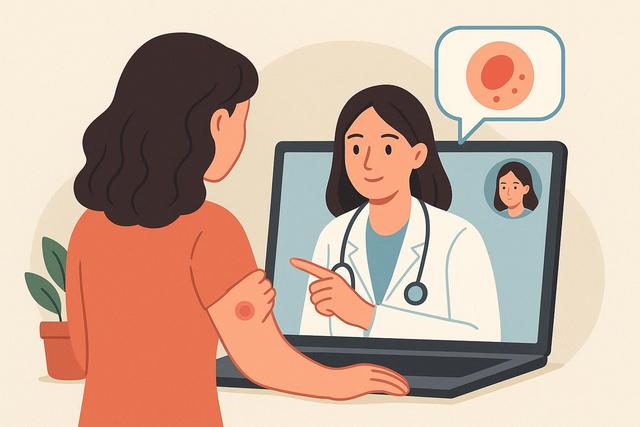
With the rapid advancement in digital health, telemedicine has become a pivotal aspect of healthcare management, especially in the field of dermatology. This strategic guide explores the nuances of obtaining a dermatology consultation online, offering practical insights and advice.
The Rise of Telemedicine in Dermatology
Telemedicine has significantly impacted how healthcare is delivered, particularly in dermatology. The convenience and accessibility of teledermatology have been boons to both patients and healthcare providers. By allowing dermatologists to evaluate, diagnose, and propose treatments for skin conditions remotely, telemedicine eliminates the need for patients to visit clinics physically.
One major driver of teledermatology adoption is the improved access to specialists. Patients, especially those residing in rural areas, can consult with experienced dermatologists without the hassle of travel or long waits. According to the American Academy of Dermatology, telemedicine consultations can address a variety of conditions, including acne, eczema, psoriasis, and even skin cancer evaluations.
How Online Dermatology Consultations Work
The process of obtaining dermatology advice online is streamlined yet comprehensive. A typical telemedicine consultation involves several steps:
Pre-Consultation Questionnaire: Patients usually fill out a detailed questionnaire about their medical history and current skin concerns.
Image Submission: High-quality images of the affected area are often required. These provide dermatologists with vital visual data.
Real-Time Video Consultation or Asynchronous Messaging: Depending on the platform, consultations may occur in real-time or through secure messaging systems. Each has its benefits; while live consultations enhance immediacy, asynchronous ones allow more detailed evaluation.
Treatment Plan: Based on the consultation, a dermatologist will provide a diagnosis and recommend a tailored treatment plan.
Benefits of Teledermatology
Engaging with dermatologists online offers numerous advantages:
- Convenience: Patients can book consultations at times that fit their schedules.
- Reduced Waiting Times: Online systems often decrease wait times compared to in-person appointments.
- Access to Specialists: Provides patients access to top-tier dermatologists, regardless of geographical location.
- Cost-Effectiveness: Many telemedicine platforms offer competitive pricing compared to traditional clinics.
Limitations and Challenges
While teledermatology is growing, it comes with caveats. The lack of physical examination stands as a prominent challenge. Certain conditions might necessitate up-close inspections or feeling the skin's texture, which isn't possible online.
Privacy concerns are also crucial. Securing personal medical information is vital, and patients must ensure their chosen platform follows stringent data protection protocols. Additionally, inconsistent quality of images submitted by patients can sometimes lead to misdiagnosis.
Choosing the Right Teledermatology Platform
Selecting a reliable platform is critical. Here are some factors to consider:
- Accreditation and Reputation: Investigate if the platform has the necessary licenses and positive reviews from users.
- Dermatologist Expertise: Look for platforms that staff board-certified dermatologists with ample experience.
- Technology and User Experience: Platforms should be easy to navigate and secure for both patients and doctors.
- Pricing Structure: Compare costs and see if insurance coverage is available.
Leading Platforms Comparison
| Platform | Accreditation | Features | User Experience |
|---|---|---|---|
| Platform A | Certified | Video, Messaging | High Rating |
| Platform B | Accredited | Asynchronous | User-Friendly |
| Platform C | Licensed | Video, Insurance | Moderate Rating |
Avoiding Common Misconceptions
Some of the widespread misconceptions about teledermatology include:
- Efficacy Doubt: Many doubt the effectiveness of online consultations, yet several studies affirm their reliability in many cases.
- Privacy Concerns: While privacy is a legitimate issue, reputable platforms employ high-security measures.
- Complex Condition Management: While complex cases might require in-person visits, many skin conditions are effectively managed online.
The Future of Teledermatology
As technology evolves, the opportunities in teledermatology expand. Artificial Intelligence (AI) and machine learning are integrated for enhanced diagnosis capabilities. The global trend suggests a broader adoption which is likely to continue its growth trajectory with improving regulations and acceptance.
Conclusion
Telemedicine in dermatology presents undeniable benefits but requires careful platform selection and user vigilance. For a successful online consultation, ensure thorough preparation, secure a reputable platform, and maintain realistic expectations about what teledermatology can offer in diagnosing and treating your condition.
FAQs
Q1: Are online dermatology consultations covered by insurance?
Insurance coverage varies based on insurer policies and the telemedicine platform. It's essential to verify with your provider.
Q2: Can a dermatologist prescribe medication via telemedicine?
Yes, licensed dermatologists can prescribe medications following an online consultation, subject to local telemedicine laws.
Q3: How should I prepare for an online dermatology consultation?
Ensure a detailed medical history is ready, clear images of any skin issues are uploaded, and choose a quiet, neutral environment for real-time consults.

