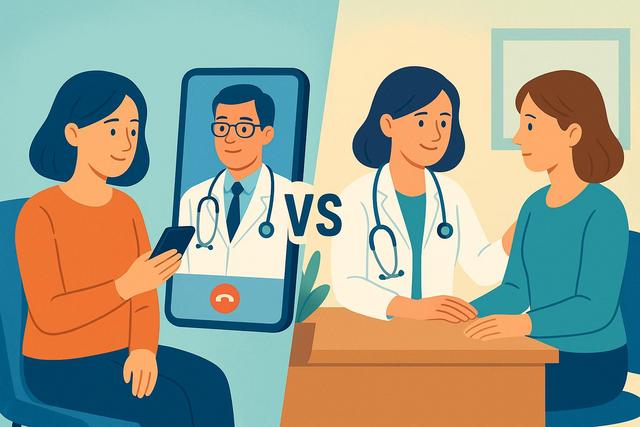
The healthcare landscape has significantly evolved with technological advancements, offering new modalities for patient care. Telemedicine has quickly emerged as a convenient alternative to traditional in-person consultations, especially during the COVID-19 pandemic. But how does telemedicine really stack up against face-to-face appointments? This guide explores the nuances, benefits, and limitations of each approach, helping you make informed healthcare decisions.
Understanding Telemedicine
Telemedicine involves the use of technology to provide healthcare services remotely. This approach leverages video calls, mobile apps, and online portals to connect doctors and patients virtually.
How It Works
Patients can book appointments online through platforms like Teladoc or Amwell. During the consultation, both parties interact using a video conference tool, allowing real-time discussions.
Relevance in Today's World
Telemedicine surged during the pandemic, reducing potential virus exposure and easing healthcare access in remote areas. According to the American Medical Association, telehealth visits grew by 1500% in March 2020 alone.
Potential Benefits
- Convenience: Immediate access to medical advice without leaving home.
- Accessibility: Particularly beneficial for those in rural or underserved areas.
- Efficiency: Shorter waiting times with quick e-prescriptions.
The Traditional Face-to-Face Consultation
In-person medical consultations have been the cornerstone of healthcare for centuries. Patients meet with healthcare providers in clinics or hospitals where there is room for comprehensive examinations and procedures.
Integral Components
- Direct Physical Examination: Allows comprehensive diagnostics through physical touch and observation.
- Immediate Tests and Procedures: Facilities are equipped for necessary screenings, blood tests, or imaging.
Core Advantages
- Thorough Assessment: More accurate diagnostics through physical interaction.
- Immediacy in Critical Situations: Direct intervention possible in emergencies.
A Comparative View
| Aspect | Telemedicine | In-Person Consultation |
|---|---|---|
| Accessibility | High via internet | Limited by location |
| Diagnostic Accuracy | Possible limitations | Comprehensive |
| Patient Comfort | High comfort due to home setting | May vary by individual |
| Cost Efficiency | Generally lower | Can be higher due to facility fees |
Case Study: Routine Checkups
Routine checkups often do not require hands-on procedures. Thus, telemedicine can effectively handle routine evaluations such as follow-ups on chronic conditions. However, a new, undiagnosed symptom may benefit more from an in-person exam for verified accuracy.
Common Misconceptions and Risks
Misconceptions
- Permanent Replacement: Telemedicine is not a 'one-size-fits-all', but rather a supplemental option.
- Limited to General Care: Specialized fields like dermatology or mental health can effectively use telemedicine.
Risks
- Data Security: Concerns over privacy breaches; necessitates choosing platforms with strong data protection measures.
- Technology Barriers: Older patients or those without internet access may face challenges.
Critical Perspective: What Approach to Choose?
Choosing between telemedicine and in-person consultation should be based on specific healthcare needs and personal circumstances.
Strategic Recommendations
- For Non-Emergent Issues: Opt for telemedicine for minor concerns or routine follow-ups.
- Chronic Disease Management: A hybrid approach can offer continuous care with periodic physical exams.
- For New or Severe Symptoms: Initially consult in-person for thorough evaluation.
Transform Your Healthcare Approach Today
Telemedicine and in-person consultations each offer distinctive advantages. The key is to leverage each in the right context, maximizing healthcare efficiency and accessibility while ensuring comprehensive treatment.
Implementation Steps:
- Assess Medical Needs: Evaluate whether your issue requires physical examination.
- Explore Platforms: Register on trustworthy telemedicine platforms like Doctor on Demand.
- Plan Accordingly: Use telemedicine for minor or routine care; schedule in-person visits as needed.
By understanding these differences and aligning them with personal healthcare demands, patients can make informed decisions leading to better health outcomes.

