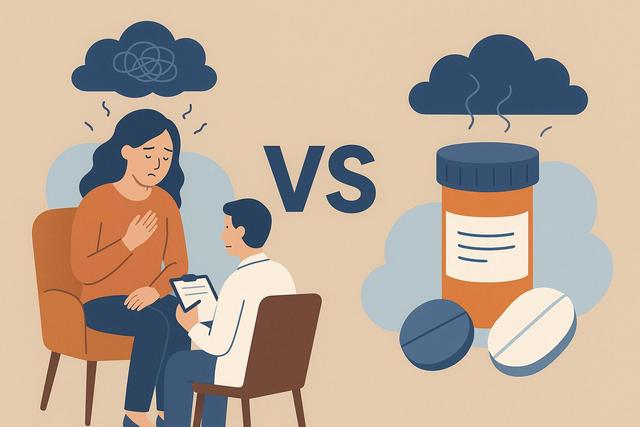
Anxiety is a common mental health challenge, affecting millions worldwide. With various treatment options available, two main approaches stand out: therapy and medication. Both have their benefits and limitations, creating a nuanced choice for individuals seeking relief. This article dives into a comprehensive analysis of therapy versus medication for anxiety, helping you make informed decisions on which path might be better suited for your needs.
Understanding Anxiety Treatment Options
Anxiety disorders are among the most common mental health issues, impacting daily lives, social interactions, and overall well-being. The primary treatment options include therapy and medication, each with unique advantages and potential drawbacks.
Types of Therapy for Anxiety
Several forms of therapy have proven effective in managing anxiety, with Cognitive Behavioral Therapy (CBT) being the most recognized. CBT focuses on changing dysfunctional thought patterns and behaviors. Other types include Mindfulness-Based Stress Reduction (MBSR) and Exposure Therapy. Each approach emphasizes different aspects of anxiety management and is customizable to individual needs.
Case in Point: A study by the American Psychological Association found that CBT showed results in about 12 to 16 sessions for many patients experiencing anxiety.
Medication Options for Anxiety
Medications prescribed for anxiety typically fall into categories such as SSRIs, SNRIs, or Benzodiazepines. These medications interact with brain chemistry to reduce symptoms of anxiety.
- SSRIs (Selective Serotonin Reuptake Inhibitors): Commonly prescribed, they help increase serotonin levels in the brain, enhancing mood and emotion regulation.
- SNRIs (Serotonin-Norepinephrine Reuptake Inhibitors): These not only affect serotonin but also norepinephrine, addressing broader symptoms.
- Benzodiazepines: Often used for short-term relief but can lead to dependency issues.
While medication can offer quick relief, prescription and management should be carefully handled by a healthcare professional.
Comparing Effectiveness: Therapy vs Medication
Long-term Benefits
Therapy often provides long-term strategies and coping mechanisms, which can lead to lasting relief. Patients learn to manage their symptoms with tools that reduce recurrence rates. In contrast, medication often offers temporary symptom management that ceases upon stopping the medication.
Individualized Treatment
Therapy offers a personalized approach, adapting techniques to suit personal circumstances and triggers. Medication, on the other hand, delivers a universal chemical balancing act that might need adjustments to find the right fit.
Cost Considerations
Therapy sessions can be more costly upfront compared to medication, especially without insurance coverage. However, considering potential long-term cessation of therapy but continual medication costs, therapy may prove more economical over time.
| Aspect | Therapy | Medication |
|---|---|---|
| Long-term Efficacy | High (through skill development) | Variable (depends on duration) |
| Customization | Highly personalized | Standardized doses |
| Cost-effectiveness | Potentially economical | May require long-term use |
Risks and Considerations
Side Effects and Dependency
Therapy is generally free from side effects, aside from potential emotional discomfort during sessions. Medication, however, can result in side effects like dizziness, weight gain, and, in some cases, increased anxiety. Benzodiazepines, although effective for quick relief, carry a risk of dependency and tolerance.
Availability and Accessibility
In certain areas, access to qualified therapists can be limited, whereas medication might be more readily available through healthcare systems.
Misconceptions
A common misconception is that medication alone can resolve anxiety disorders. While meds can mitigate symptoms, therapy addresses root causes and behavioral changes, which are essential for long-term management.
Real-World Application
Case Study: Blending Both Approaches
Consider Jane, a professional dealing with chronic anxiety. After experiencing limited results with medication, Jane decided to incorporate CBT into her treatment. Her psychiatrist adjusted her medication while her therapist provided behavioral coping techniques. Over time, Jane managed to lower her medication dosage, relying more on strategies learned in therapy.
Practical Recommendations
- Consultation with Healthcare Professionals: Always start with an evaluation by a licensed professional to tailor a personalized treatment plan.
- Consider a Hybrid Approach: Many find success using a combination of therapy and medication for holistic management.
- Monitor Progress and Adjust: Regularly assess the effectiveness of the treatment approach and make necessary adjustments in collaboration with healthcare providers.
FAQ Section
1. Can therapy and medication be combined safely for anxiety treatment?
Yes, many individuals benefit from a combination of both therapy and medication, often finding a balanced approach more effective than using one method alone.
2. How long do I need to be on medication for it to be effective?
It varies widely; some may need several weeks to see improvements, while others may require long-term maintenance. Consultation with a healthcare provider is essential.
3. What if therapy isn't available in my area?
Consider online therapy platforms or teletherapy options that make licensed professionals more accessible.
Conclusion
In conclusion, both therapy and medication play pivotal roles in addressing anxiety, each offering distinct benefits. Therapy provides long-term coping skills and personal growth, while medication offers immediate relief from acute symptoms. An effective strategy often combines both, tailored to the individual’s needs, ensuring a comprehensive approach to mental health and well-being.

