
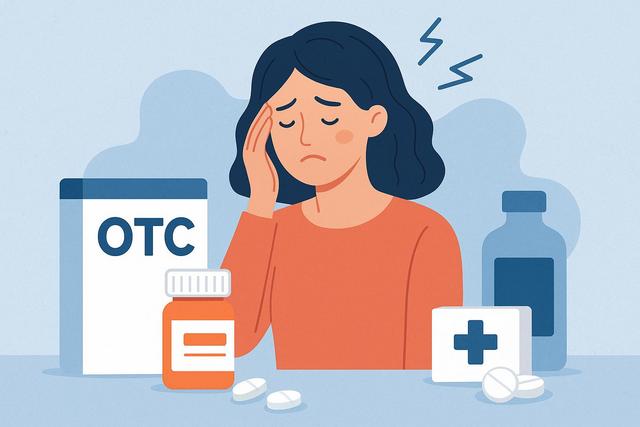
Anxiety affects millions of individuals worldwide, often compelling them to seek relief through medications. However, prescription anti-anxiety drugs are not always accessible or desirable for everyone. This article delves deeply into various medications for anxiety that do not require a prescription, offering alternatives for those seeking to manage their symptoms safely and effectively.
Understanding Anxiety and Its Impact
Anxiety is a natural response to stress, but chronic anxiety can impact everyday life significantly. According to the Anxiety and Depression Association of America (ADAA), anxiety disorders affect around 40 million adults in the U.S. alone.
1. Symptoms and Challenges:
Common symptoms include panic attacks, restlessness, and trouble concentrating. Living with such symptoms can be debilitating, affecting both personal and professional life.
2. The Need for Accessible Treatment:
For many, accessing prescription medications isn't feasible due to cost, accessibility, or personal preference. Non-prescription options can offer a way forward for those seeking treatment.
Over-the-Counter Medication Categories
Non-prescription anxiety medications fall generally into two categories: natural supplements and over-the-counter (OTC) drugs.
Natural Supplements
Supplements offer a natural alternative, and many have been part of traditional medicine for centuries.
- Valerian Root: It’s known for its calming effects and is often suggested for better sleep, which can mitigate anxiety symptoms.
- Passionflower: Another popular choice, this supplement is used to reduce anxiety and improve sleep quality.
Over-the-Counter Drugs
These are medications that you can find in pharmacies without needing a prescription.
- Antihistamines like Diphenhydramine: Sometimes used for its calming effects, though not specifically an anxiety medication, it can provide relief especially if sleep disturbances are present.
Effectiveness and Limitations
While natural and OTC options can be effective, they have limitations and are not one-size-fits-all.
1. Varying Effectiveness:
- What works for one person may not work for another, as individual body chemistry plays a role.
- Clinical proof of effectiveness varies, with natural remedies often lacking extensive scientific study compared to prescription drugs.
2. Potential Risks:
- Interactions with other medications can occur, especially with herbal supplements.
- Overuse, even of OTC drugs, can lead to side effects such as dependency or worsened anxiety symptoms.
Case Studies and Real-World Scenarios
Many individuals have turned to non-prescription methods with varying success.
Case Study: Natural Supplements:
Jane, a college student experiencing heightened anxiety during exams, found relief through Valerian Root and mindful breathing exercises. Her grades and sleep improved significantly.
These personal stories underline the importance of a tailored approach and may inspire others to find suitable solutions.
Best Practices for Using Non-Prescription Options
When selecting non-prescription treatments, consider the following guidelines to maximize benefits:
Research Thoroughly:
- Understand the scientific backing and anecdotal evidence for each option.
- Consider joining forums or discussion groups for shared experiences.
Consult a Healthcare Professional:
- Even without a prescription, consulting a healthcare professional is essential for determining safe dosages and potential drug interactions.
Lifestyle Considerations:
- Complement medication with healthy habits such as regular exercise, proper diet, and mindfulness practices for optimal results.
Common Mistakes and Misconceptions
In the pursuit of anxiety relief, several common errors can undermine the effectiveness of treatment.
- Over-reliance on Supplements:
Solely relying on supplements without addressing underlying causes or misaligning usage expectations can lead to disappointment. - Ignoring Lifestyle Factors:
Not integrating lifestyle changes like sleep or stress management can limit the effectiveness of any medication approach.
FAQs on Non-Prescription Anxiety Medication
Q1: Can I take natural supplements with other medications?
It's crucial to consult a healthcare provider as interactions can occur and not all supplements are safe in combination with other drugs.
Q2: Which natural supplement is the most effective for anxiety?
Effectiveness can vary, with Valerian Root and Passionflower being popular; individual response plays a key role.
Q3: Are OTC drugs safe for long-term use?
OTC drugs should generally be used for short-term relief unless advised otherwise by a health professional.
Conclusion
Exploring non-prescription options for anxiety can offer an accessible relief pathway for many. By understanding the available options, consulting with healthcare professionals, and considering personal health needs, you can create an effective plan to manage anxiety. Whether through natural supplements or OTC drugs, a comprehensive approach that includes lifestyle changes stands the best chance of success. The most important step is to begin with informed choices and safe practices.

