Understanding Knee Replacement Surgery Costs and Recovery
- 08/10/2026 05:11am
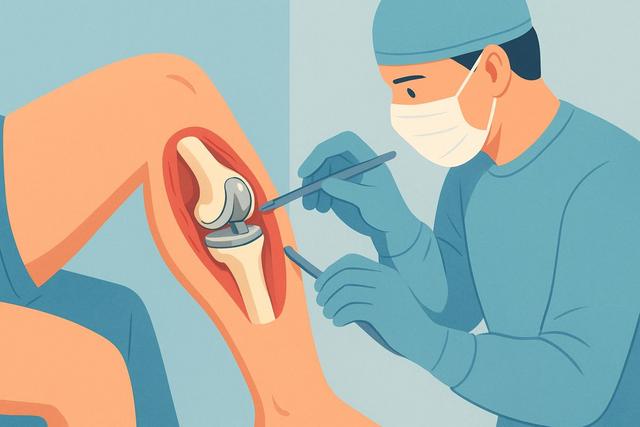
Knee replacement surgery, a significant procedure often considered by individuals suffering from chronic pain or mobility issues, involves a complex mesh of decisions. Knowing the cost and recovery timelines can be instrumental in making informed decisions. This guide will delve into the various aspects of knee replacement surgery, highlighting essential cost considerations and recovery strategies.
What is Knee Replacement Surgery?
Knee replacement surgery, medically known as knee arthroplasty, involves replacing a damaged knee joint with artificial components. This procedure is typically recommended for individuals with severe arthritis or significant knee injuries.
Types of Knee Replacement
- Total Knee Replacement (TKR): Involves replacing the entire knee joint.
- Partial Knee Replacement (PKR): Only the damaged portion is replaced.
Real-World Example:
Imagine a patient named John, who suffers from severe osteoarthritis. His doctor recommends TKR after other treatments, like medication and physical therapy, fail to alleviate his pain.
Cost of Knee Replacement Surgery
The cost of knee replacement surgery can vary widely depending on several factors.
Factors Affecting Cost
- Location: Costs can differ based on geographic location due to variations in living expenses.
- Type of Surgery: TKR generally costs more than PKR due to the complexity and extent of the surgery.
- Insurance Coverage: Policies can reduce out-of-pocket expenses significantly.
- Hospital and Surgeon Fees: These include fees for anesthesia, hospital stay, and the surgeon’s expertise.
Example Costs
For instance, in the United States, the average cost for a TKR can range between $30,000 and $50,000, though a significant portion may be covered by insurance.
Recovery Time for Knee Replacement Surgery
The recovery timeline can significantly impact decision-making for potential patients.
Initial Recovery Phase (0-6 weeks)
- Hospital Stay: Typically lasts 2-4 days post-surgery.
- Pain Management: Essential through medications and ice therapy.
- Physical Therapy: Begins immediately and is crucial for regaining mobility.
Long-term Recovery (6 weeks - 1 year)
- Full Mobility: May take several months; ongoing therapy and exercise are crucial.
- Lifestyle Adjustments: Patients may need to temporarily alter activities that stress the knee.
Case Study Insight:
A study showed patients engaging in consistent physical therapy often regained knee function faster.
Strategic Insights for Effective Recovery
To optimize surgery outcomes, consider the following recommendations:
- Pre-Surgery Preparation: Engage in strengthening exercises as recommended by your physician.
- Post-Surgery Commitment: Adhere strictly to prescribed physical therapy schedules.
- Nutritional Support: Maintain a balanced diet to aid in healing.
Risks and Common Mistakes
Knee replacement surgery, like any medical procedure, carries potential risks.
Common Risks
- Infection: Though rare, it can occur and requires immediate medical attention.
- Blood Clots: Less common due to early mobilization protocols and medication.
Mistakes to Avoid
- Neglecting Physical Therapy: Essential for regaining knee function.
- Overexertion: Premature activities can lead to complications.
Conclusion
Understanding knee replacement surgery costs and recovery time is critical for making informed healthcare decisions. By factoring in costs, planning for comprehensive recovery, and being aware of potential risks, patients can optimize their surgical outcomes.
Implementation Steps
- Consult with Specialists: Seek evaluations from orthopedic surgeons.
- Review Insurance Policies: Understand the coverage for the procedure.
- Commit to Rehabilitation: Follow post-surgery therapy plans diligently.
Final Takeaway:
Knee replacement surgery is a significant investment in health, offering a pathway to improved mobility and quality of life for those affected by debilitating knee issues.

