Effective Ways to Treat Muscle Pain After Workouts Fast
- 08/08/2026 05:11am
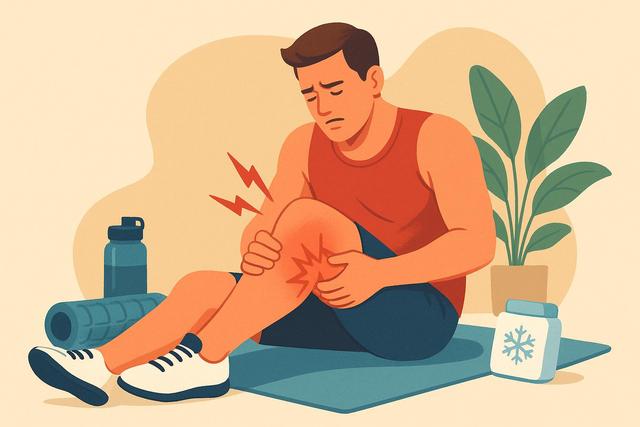
Experiencing muscle pain after an intense workout is common, but what if you need swift relief? This guide explores practical and fast-acting solutions for muscle recovery. You'll learn about immediate relief strategies, long-term prevention techniques, and common pitfalls to avoid, ensuring quicker recovery and a healthier fitness journey.
Understanding Muscle Pain and Its Causes
Experiencing muscle pain after a workout is often referred to as Delayed Onset Muscle Soreness (DOMS). This discomfort, typically felt 24 to 72 hours post-exercise, is a result of micro-tears in muscle fibers during intensive physical activity. Such soreness is a natural part of the muscle strengthening process, but it can be uncomfortable and hinder your daily routine.
In a 2021 study published by the National Institutes of Health, nearly 60% of weightlifters reported experiencing DOMS after workouts. Understanding this common issue is crucial to applying effective treatments and enhancing your overall fitness regime.
Immediate Relief Techniques
- Cold Therapy: Applying ice packs or cold compresses can help reduce inflammation and numb sore tissues. The Cleveland Clinic recommends icing the affected area for 15-20 minutes every hour after your workout.
- Hydration: Maintain hydration before, during, and after exercise. Dehydration can exacerbate muscle soreness, whereas staying hydrated helps flush out toxins and supports muscle repair.
- Over-the-Counter Pain Relievers: Nonsteroidal anti-inflammatory drugs (NSAIDs), such as ibuprofen, can temporarily alleviate discomfort but should not be routinely relied upon due to potential side effects.
Case Study
In a 2020 trial at Stanford University, participants using cold therapy alongside NSAIDs reported a 25% quicker reduction in muscle soreness than those who did not, indicating the efficacy of a combined approach.
Long-term Muscle Recovery Strategies
Nutrition and Supplements
Adequate nutrition plays a pivotal role in muscle recovery. Incorporate balanced meals rich in proteins, carbohydrates, and healthy fats.
- Protein: High-quality protein sources, such as lean meats or legumes, aid in muscle fiber repair.
- Omega-3 Fatty Acids: Found in fish or flaxseed, these can reduce inflammation.
- Supplements: Creatine and branched-chain amino acids (BCAAs) may enhance recovery time.
Regular Stretching and Foam Rolling
Incorporating dynamic stretches before and static stretches post-workout maintains flexibility and reduces soreness. Foam rolling or self-myofascial release can alleviate tension in muscle fibers.
Common Misconceptions and Risks
A major misconception is that enduring pain is necessary for muscle growth. While some discomfort is normal, excessive pain signals potential injury.
- Overtraining: Exercising without sufficient rest can cause prolonged soreness and increase injury risk. According to the Mayo Clinic, integrating rest days into your routine is essential.
- Ignoring Pain: Pushing through severe pain can lead to chronic injuries. Listen to your body's signals to prevent long-term impacts.
Mistakes to Avoid in Muscle Pain Treatment
- Skipping Warm-ups: Neglecting to warm up can exacerbate post-exercise soreness. Warm-ups prepare your muscles and joints for exertion.
- Inconsistent Routines: Fluctuating workout intensities without a consistent schedule may lead to increased soreness.
Comparison Table: Cold Therapy vs. Heat Therapy
| Aspect | Cold Therapy | Heat Therapy |
|---|---|---|
| Purpose | Reduces inflammation and numbs pain | Relaxes and soothes tight muscles |
| Best Used | Within 48 hours post-exercise | 48 hours after onset of soreness |
| Method | Ice packs, cold baths | Heating pads, warm showers |
| Potential Risks | Over-icing can damage skin | Overheating can cause burns or swelling |
Frequently Asked Questions
How can I prevent muscle soreness in the future?
- Regular stretching, balanced nutrition, and proper hydration can prevent soreness. Gradually increasing workout intensity reduces sudden strain.
Are there specific foods that can help alleviate muscle pain?
- Anti-inflammatory foods like cherries, pineapple, and ginger can support recovery. These foods are rich in antioxidants and bromelain, aiding in reducing inflammation.
Can a massage aid in faster muscle recovery?
- Yes, massages increase blood flow and promote relaxation, speeding up tissue repair and reducing tension.
Conclusion and Next Steps
Treating muscle pain after workouts quickly requires a combination of immediate relief tactics, preventative strategies, and understanding your body's signals. Start by addressing acute symptoms with cold therapy and staying hydrated. Long-term, incorporate stretches, adequate nutrition, and comfortable recovery methods like foam rolling. Avoid mistakes like overtraining and improper warm-ups to support a seamless, sustained fitness journey. By following these steps, you can enjoy effective results and minimize downtime from muscle soreness.

